
episode #59
KLC Virtual Restaurants Growth Story: How Mubarak Jaffar Built a Multi-Brand Delivery Business in GCCIn this episode, Mubarak Jaffar recalls how he scaled KLC across the GCC with a delivery-first “virtual food hall” model. Mubarak breaks down the unit economics behind 24-hour kitchens, why one kitchen per zone matters, and how standardizing menus and packaging keeps operations lean. He also shares his approach to building brands for demand, naming for search, and sustaining growth without relying on one brand.
ABOUT THE HOST
Ashish is a serial entrepreneur and serves as the CEO & Co- Founder of Restroworks. He is one of the entrepreneurs who has mastered the art of bootstrapping startups to scale. Ashish is a prolific angel investor and mentors budding entrepreneurs and startups in Silicon Valley and India.
ABOUT THE GUEST
Speakers
Episode #59
Mubarak also reveals how he thinks about building and deploying brands based on demand, naming brands for search, and capturing cuisines without over-relying on a single brand’s lifecycle. The conversation closes with his founder mindset on control, resilience, and the value of having the right co-founder as you scale through uncertainty.
Find us online:
Ashish Tulsian- LinkedIn
Mubarak Jaffar- LinkedIn
How did it all start? Tell me about your formative years and how did you land in the food space?
Mubarak Jaffar:
I loved food growing up. The food scene in Kuwait, everything was available. This industry just changes and you can never get bored from a specific dish. Eating out was something that I loved doing. I never imagined to open a restaurant but it was something I always wanted to do. So I always wanted to get into the food scene.
So I realized I was a very competitive individual when it came to sports, very competitive when it came to gaming and then very competitive when it came to business as well. And that kind of actually affected the way I am as a person. So I’m not a person that would like to start something and not finish it. 2012, street food was trending all over the world. Burger restaurants pop up left and right and I felt, you know what, let me take some of the things that I saw and then bring them to Kuwait and then let’s see how that goes. So there wasn’t a market leader for pasta. There wasn’t a market leader for Mexican. There wasn’t a market leader for the healthy category. Suddenly we had a leading concept in pasta, a leading concept in Mexican and that’s where really the idea was born.
So build multiple brands and capture a cuisine as opposed to have one brand to capture a cuisine. We had to kind of make sure that we can always maintain our orders and make sure that we can always basically open in zones that actually have enough orders happening online. The idea is to run a 250 square meter location efficiently, you would need to generate more than 500 orders a day from that kitchen.
Ashish Tulsian:
What did you feel after having a co-founder, a partner on your side versus, you know, not having that?
Hi, welcome to RestroCast. Today my guest on the pod is somebody very special, Mubarak Jaffar. Somebody who I have the privilege to call a friend but he’s an iconic leader in not only Kuwait but GCC food scene.
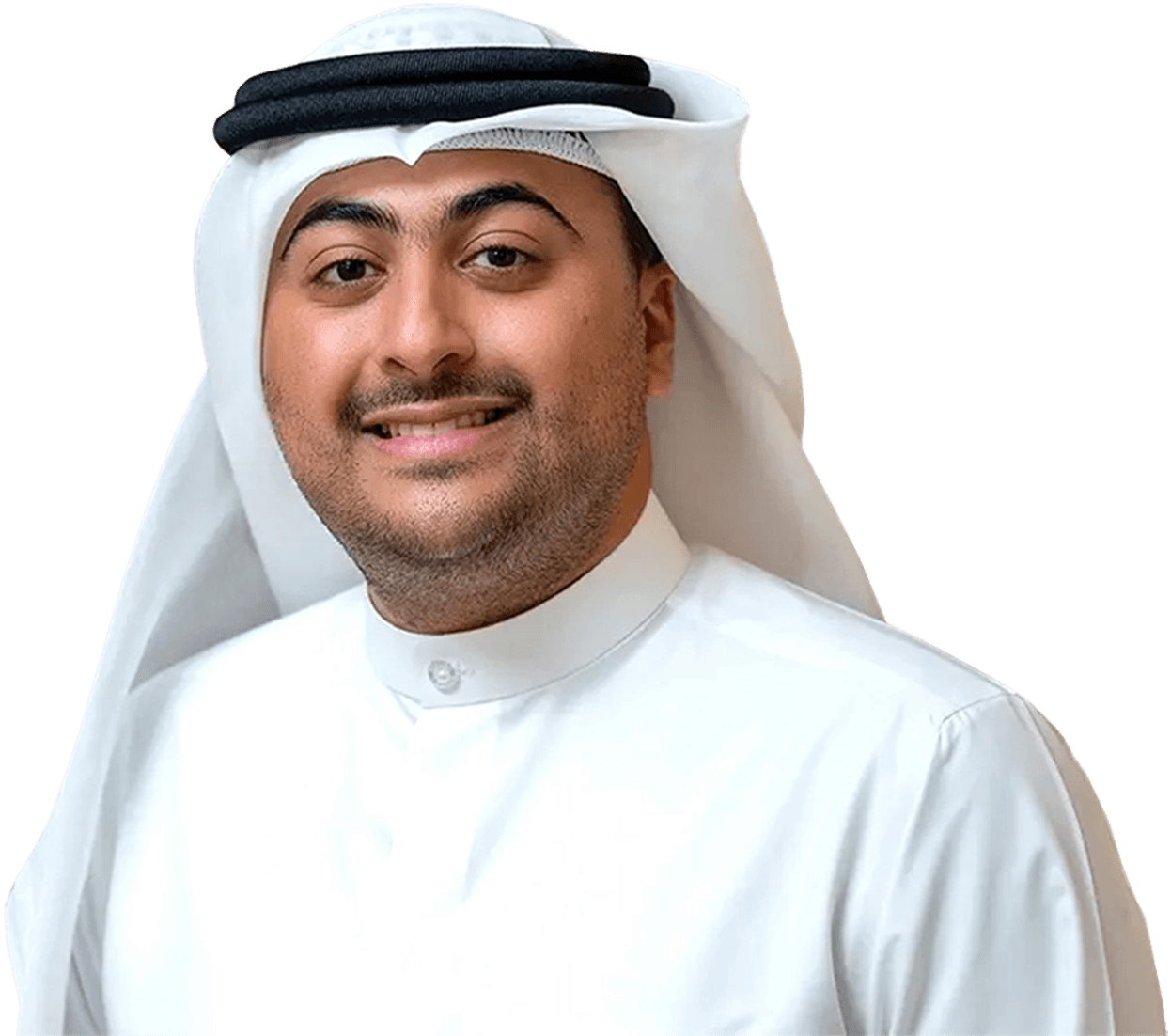
Mubarak is the co-founder and CEO at KLC, a brand that runs and operates the largest portfolio of brands in a cloud kitchen across GCC. Mubarak’s journey is inspirational for for many many reasons but you know my big takeaway from this conversation was that Mubarak is somebody who was born in privilege but he recognized that privilege is a responsibility and he did not have to dwell on it but he had to build his own name, his own place in that and I think he did well is an understatement. This conversation packs extremely rich insights per minute. Sit down with pen and paper and do watch. Welcome to Restrocast. So Mubarak, welcome to Restrocst.
Mubarak Jaffar:
Thank you so much. Welcome to Kuwait as well and I’m really happy to have this conversation.
Ashish Tulsian:
So Mubarak, I know that there are a lot of a lot of successes under your bench. I’ve for a few years that I’ve known you and learned about you. I know that there’s a lot that we can talk about in terms of what you have achieved, what you’ve done, what you’ve contributed especially in the food space but before we dive into that, I would love to know how did it all start? Tell me about your formative years and how did you land in the food space?
Mubarak Jaffar:
Well, I think I’m gonna have to go a little bit back to my childhood. So my father, he was actually working in London in the 90s. So I lived in London in the 90s and I studied there and most of my education was in the UK. So I remember when we lived there, finding a restaurant to order from was a challenge. Not all the restaurants were delivering as you can imagine and I remember every time I used to go back to Kuwait for summer vacation or any odd day, we had some offers. So delivery was in the late 90s, early 2000s.
Delivery was actually common amongst the QSR restaurants and in London, I used to love going out and having a nice meal and then I always craved having that same meal at home. I remember my family also used to get together with the support of me because they realized that I ate out with the family member or my friends and I didn’t have dinner with them. So I used to sit on the dinner table. So I used to actually order out or go pick up a takeaway near the house, have my dinner and then have my second dinner with my family. So I had the, since I was a kid, I used to love eating out. I used to struggle as I said, finding good reactions and any chance I had to grab a takeout.
Ashish Tulsian:
So are you saying that as a, like from the early days, you prefer takeout.
Mubarak Jaffar:
I love takeout. So I used to order McDonald’s pizza. That was really the restaurant that then at the time.
Ashish Tulsian:
I’m curious, I’m curious why, I mean, was it a comfort?
Mubarak Jaffar:
I think basically it could have been my influence from movies, influence from the culture at the time. I remember there were so many things happening and it was going out to like a fast food restaurant or a carnival dining or stuff was, you know, it was a cool thing back in the day. This is way before online food delivered each other.
Ashish Tulsian:
So it was 1990s
Mubarak Jaffar:
Yeah, 90’s and early 2000s. And I used to also, you know, one can experience at home and I could have found that. And I think McDonald’s was probably one of the few restaurants that actually delivered. And then I just used to order so many times that I actually began to repeat the menu. I started to actually, you know, I used to call them, you know, to order back there. So I actually know the person I was calling and then the delivery driver actually used to know. And I was actually quite young.
I was about 11 years old. So we talked with the guy and it just happened that I actually happened to, you know, love eating out in general. And it’s just something I would say, and I still do today. In New York, having a lunch or a dinner with friends or family, it’s something that I actually, you know, eating people that I haven’t seen in a long period of time, usually catch up with that over your lunch or dinner. A lot of my friends now are strict diets. I’m still trying to exercise as much as I can, stay fit and try to still enjoy that proper life. So, you know, I don’t count calories. I’m a person who basically likes to enjoy.
Ashish Tulsian:
Hhaving good food is a luxury. It’s a privilege. And I don’t relate to, you know, people who don’t enjoy that. So I think eating out has always been personally for me. Like, as you said, it’s a matter of social bonding. It’s a matter of sharing, you know, meals.
Mubarak Jaffar:
Definitely. It’s something I still to this day, as I said, enjoy. And funnily enough, you know, when we were in London, I remember any chance I got, Ashish, to basically go out for a meal, I basically took it. I never used to, you know, say no to a dinner with some cousins, friends, family. And I remember my father, he never used to enjoy going out to restaurants as much. It was more of a necessity. I remember he was extremely busy at work and he always used to tell me, you know, why do you enjoy going out to restaurants?
Ashish Tulsian:
What was he doing in London?
Mubarak Jaffar:
He was in real estate. He was managing, you know, our family’s, my grandfather’s business, real estate and hotels all over, you know, UK. And also he was managing my family’s business in the GCC as well. The hotel side of that. So he was in hospitality, real estate. And that’s also something I’ll also tell you that had a big part, you know, in my start as well in my career. So, I mean, I loved food growing up. And then, as I said, the food scene in Kuwait, you know, it was, everything was available. Everything was accessible. You want to order a restaurant in the middle of the night, you could. Then I remember I used to go back to school in the UK and then, you know, everything closes early.
Nothing was delivering late. So I remember that was a huge issue growing up that I had because I just wanted to sometimes, you know, just have a quick bite in the middle of the night and I couldn’t go out because, you know, I had school the next day. So it was, there was always something there that was missing.
And I remember that was just something that I remember really, the idea of, you know, having different types of delivery options always crossed my mind at a very, very young age. I remember all my siblings as well used to always, you know, make jokes that, that you always order out. You’re going to, you know, you’re going to get really, you know, chubby when you grow up. And to be honest, I was a very, you know, I was active. I used to play a lot of sports and I used to make sure that I continued to play sports to just to make sure that I stay fit. And I was always, you know, very, you know, conscious of what I was eating as well. And then, you know, with time I started to, you know, my palate started to change as well. So I stopped eating, you know, fast food, started to eat, you know, different restaurants. And then you just start to find healthier alternatives. And then a lot of healthier alternatives started to pop up as well. So that was really, you know, one of the reasons that I, you know, just loved this industry, just changes and you can never get bored from a specific dish.
Ashish Tulsian:
How long were you in UK?
Mubarak Jaffar:
I was there for many years. So as I said, my father, you know, he worked there. So he was going back and forth from Kuwait and London for a period. And then my mother decided to do her master’s. And then that’s when we all moved to the UK. So basically living there, that was a big part of my childhood. And then I finished high school and then university, completed my master’s degree and then moved back to Kuwait.
Ashish Tulsian:
Oh, so you did all your education.
Mubarak Jaffar:
You could say, yeah.
Ashish Tulsian:
You got it. And, you know, when you returned, when you moved back to UK, what was the number one reason for you to move back instead of continue to build a life there?
Mubarak Jaffar:
Oh, to be honest, Kuwait is home. So, I mean, we used to spend, you know, three, four months a year in Kuwait. So all of our, you know, holidays, vacations, any opportunity we got, we were back in Kuwait. And it was a time where London, there was a very, very big, you know, because our family was basically going and coming as well. Our cousins, our grandfathers as well, were also living sometimes half the year in London. So it was great to see everybody there.
So it didn’t really feel like I was living there. It was, so as they said, the best of both worlds. So we got, you know, the international exposure. We got to live and basically meet people from all over the world because London is such an international city. Lovely place to live, especially back in the 90s and early 2000s. Up until, you know, 2010, 11, 12. London was really, you know, it was lovely. And I remember that was really the prime. When you always hear about people talking about London, we were there during that really, you know, amazing period. So, and everything was, you know, happening so fast as well. So many things happened while we were there. Interesting things when it comes to, you know, the food scene, when it comes to, you know, technology, real estate.
So there was a lot of, you know, influence that was, you know, that happened at that time that impacted my decisions moving forward in my life. So one of them being as well, real estate. So after, you know, growing up, getting into high school, obviously eating out was something that I love doing.
I never imagined to open a restaurant as soon as I graduate university, but it was something I always wanted to do. So I always wanted to get into the food scene, but I just felt that it would require so much, you know, time to really understand and grasp because it’s a big operation. Since I was young as well, I always wanted to do business as well.
I always wanted to study business and I always wanted to build a business. So that was something that I, you know, truly wanted because of my father’s influence, obviously being a businessman and my grandfather as well. My dad’s dad is a, he was an ambassador as well. So he was completely out of business, but more into the, you know, the diplomatic world. And he basically was one of the first ambassadors of Kuwait. He was the ambassador of Kuwait in the UK and the US.
Ashish Tulsian:
Oh, wow.
Mubarak Jaffar:
So my father also, you know, he moved around as well when he was young. So my father’s also used to living abroad.
Ashish Tulsian:
So he was like, he was officially.
Mubarak Jaffar:
Yeah, so my grandfather was the ambassador of Kuwait in 1962 in the UK. And so that was, you know, so my father actually lived in the UK in the 60s. So you can imagine, so there is always Kuwaiti people love, you know, they love the UK, they love London. And it’s very close to everybody’s heart. It’s a destination that we’ve all, majority of Kuwaiti people have actually visited. So it’s one of those, you know, places that’s very dear to our hearts.
And I think given that, that’s one of the reasons as well, why my father also felt comfortable continuing, you know, because he was also considering moving back at some point to Kuwait, but then decided, you know, to continue his journey there. And that also, as I said, because he was in hospitality and he was in real estate. That’s really where the hospitality is very, you know, operational. And that was something that always interested me. And I remember he used to always talk to me about, you know, the hotels and what goes on behind the scenes. And that was just, it just fascinated me, running a hotel. And then I used to always, you know, go with him to some of these places and just see, you know, how he conducts his meetings, sit with him. And I was very, very close to my father. And he was very kind enough and had the faith and trust to, you know, always bring me along and have me sit and listen. And he used to always actually tell me details of stories, things that were happening. And that really opened up my mind to things. And I was a, you know, I was a teenager at the time. And I still remember some of these stories.
Ashish Tulsian:
I think that is the best education that a kid can get. 100%. Like the subconscious education where you’re learning.
Mubarak Jaffar:
Without realizing.
Ashish Tulsian:
You don’t, exactly. You don’t know that you’re learning. And it only comes back to you later when it’s needed.
Mubarak Jaffar:
And he was extremely influential. And basically his career and the way he is as an individual changed me as a person. So he was a very honest, straight man. He was, you know, and I still see a lot of the people that work for him. And I remember as a kid, when I see people that work for my father and they speak so highly of him, that really encouraged me, you know. And I took a lot of, and I tried to take a lot of his traits and learnings in my life, in my career. And he was always a very, you know, strict individual. He wasn’t a person that would just, you know, let things fly. If something’s wrong, he has to, you know, address it. He’s not a person that basically just ignores the matters. He’s very, very proactive. And he’s a true, in my opinion, he was a true problem solver.
He was, whenever there was a problem, they would always call to my dad. And I remember my dad used to tell me, I was so busy working on so many big, major projects. I never really focused on, you know, these little small opportunities that existed. And he used to tell me about opportunities. So, you know, somebody would approach him and tell him, why don’t you take this brand? It’s, you know, this brand is expanding all over. And he was like, I’m not really into that. I’m more into big mega projects, big developments, big residential, commercial projects. And as I said, he was also managing my grandfather’s hotels. And my grandfather was a very successful entrepreneur. One of the well-known entrepreneurs in Kuwait and in the Arab world. So my father was working, you know, for my mother’s father, the company, and they were building that. And he worked there for 30 years. So as you can see, there was a lot of, there’s an entrepreneurial culture in the family. And that also added a lot of pressure as well. A lot of pressure on us as well. As a kid, when you see, you know, all of these extremely successful men in your life, you kind of start to wonder, do I have it in me? Do I have the capabilities to also, you know, continue in this path of entrepreneurship, of, you know, managing multiple businesses in multiple countries.
And it’s actually kind of overwhelming. But because you’re young and you have time to kind of take it in, it just goes back to how you were raised, in my opinion. So I think a lot of, you know, the reason I am who I am is because of my parents and their upbringings. My mother played a massive role as well. She was always there for us growing up. And I remember that because, you know, when you live abroad, it’s completely different. You know, the mother’s role is extremely important to make sure that the culture, the value, you know, that we actually, you know, don’t lose that as well.
Ashish Tulsian:
That’s your primary connection to your roots.
Mubarak Jaffar:
A hundred percent. And I think that her involvement in raising us, especially when it came to, you know, understanding our, you know, who we are as people and also being confident. She was an extremely confident individual. And that really, you know, reflected on us. And she was very charismatic and very caring as well. So, as I said, having a strong base, family base growing up, even if you lived abroad or wherever you lived in the world.
Ashish Tulsian:
You stay connected.
Mubarak Jaffar:
Yeah, you stay connected. And you stay to your roots. And, you know, your values, not just as a human being, but values as, you know, as a national from a country. So I think that’s something very important.
Ashish Tulsian:
No wonder your company is called Kuwait London.
Mubarak Jaffar:
Yeah, so I think that’s funny enough. My father and my brother, they decided to name it Kuwait London. I was actually studying in university at the time. So after my father, you know, left my granddad’s business, he basically set up a Kuwait London company. So Kuwait London being that we had an office in Kuwait and an office in London. And then we actually started to do multiple things. And my brother was managing that business. This was in 2008. So 2008, my father, you know, left.
Ashish Tulsian:
So Kuwait London company was not the start of your cloud kitchen or food business. Yeah, Kuwait London company was…
Mubarak Jaffar:
Kuwait London company is the first company that we set up. And that actually set up the restaurant.
So the restaurant was part of Kuwait London company. And that was set up in 2009. And then we also did multiple other things.
Ashish Tulsian:
No, so we’ll go chronologically. So when did you return in 2008?
Mubarak Jaffar:
Yeah, so 2008, I was in, I went to university. My brother actually was working at Gulf Bank. He left after working a couple of years in the corporate world and set up Kuwait London company. The idea behind it was to do multiple different, you know, ventures, real estate, F&B. And then anything else that could have, you know, come to our way. And then we were actually looking at setting up multiple different, you know, lines.
At the time Kuwait was, you know, I would say market was really hungry for, you know, a lot of things. Market was really hot and I could see a lot of potential and people, you know, after the financial crisis as well, 2008 might have not been the best time to set up a business. But thankfully for us, we weren’t, you know, operational prior to that period. Because a lot of people that were, took a big hit.
Ashish Tulsian:
Correct.
Mubarak Jaffar:
And I remember studying in university and I remember a lot of our professors were actually making, you know, like jokes about how this is probably the worst time to actually graduate. So I remember a lot of people who are friends that were graduating in 2008 university were struggling, you know, to find jobs.
Ashish Tulsian:
2008, 2009, anybody who graduated to find a job was a bad time.
Mubarak Jaffar:
So that was, you can imagine my time in university and seeing professors, you know, like tell us about these really, you know, stories about people, how they’re struggling and it’s just kind of like made things a lot more, you know, and put more fire in me. But it also created a need to do something and a bit of a spark, you know, and a fire in me that actually I felt like I had to go and do something and I had to prove something. At the time, I wasn’t sure who I wanted to prove this to. And obviously I wanted, I knew and I believed in my capabilities, but I didn’t know what I could do because it’s very hard to, you know, really visualize what’s going to happen in the next four or five years, especially when you’re studying and you’re in that period of your life where you’re still, you know, enjoying life, you’re living your life, you have no responsibilities, but there’s also that thing that’s, you know, you think about when you go home every day and it’s like, okay, what am I going to do after university?
And I’m a person that really, you know, every day I, before I go to bed, I sit and I’m a grateful human being and I, everything, you know, we say, you know, comes from Allah SWT (meaning Subhanahu Wa Ta’ala) and after, you know, our efforts and our, you know, and the things that we do in life. So it’s very important to always remember that this blessing is all from the Almighty. And I always, you know, used to remind myself of that.
And I think that’s also the influence of living abroad as well, because, you know, when you live abroad, you’re exposed. I have basically, I went to several schools there as well. And then I finished my high school at an amazing school in central London. And that’s where I met a lot of my, you know, very close friends. And I’m still in touch with some of these guys. So I went to middle school and high school there. And then the same people that I actually went to school with, we’re still in touch and people from all over the world. And obviously we have a very strong Khadiji community there as well in London, and a big Kuwaiti community as well. But I still have, and it’s still a very important part of my life. These connections and these friendships and, you know, some of these people I consider brothers as well, we’re still in touch. And they played a huge role in my life. And they kind of also were very ambitious people. And a lot of them kind of, you know, pushed me as well. And a lot of them also were, you know, in the same kind of position that I was, where they felt that they had to go out, some of them, and prove something. Whether they came from families that were in business or not, it was the culture there was very competitive.
And that competitive culture kind of reflected back in my personality. So I realized I was a very competitive individual when it came to sports, very competitive when it came to gaming, and very competitive when it came to, you know, business as well. And that kind of actually affected the way I am as a person. So I’m not a person that would like to start something and not finish it. So I kind of, if you realize, I realized very early on that if I did enter any project or any business, I had to do it with all my efforts. Now, whether the result was as what I expected, that doesn’t matter. The result to me was not…
Ashish Tulsian:
You want to complete it.
Mubarak Jaffar:
Exactly. Because at the end of the day, if I was fixated on the result, I’m going to completely get distracted. Because if I didn’t get the result that I wanted, that’s going to completely demotivate me from continuing and moving forward.
Ashish Tulsian:
So that is such a, that is such an important thing to learn, like as almost like a virtue in life. That whatever you start, please finish it. Like, it doesn’t matter whether you’re winning or not. That’s commitment.
Mubarak Jaffar:
100%. So early on, the things that I, besides food, I mean, things that I actually ventured into were, the first thing was actually real estate. So I ventured into real estate very early on. So back in the day, you know, we didn’t have online portals, they were just popping up.
So I remember there were like magazines, property magazines. And I remember every time my father, you know, he used to send him all these different types of property magazines and different real estate, uh, you know, uh, magazines that were, you know, it was a common, you know, you get them in the, in the mail and the post. And, uh, I used to just pick them up after he was done with them and just literally go through these properties because he was in basically residential properties and he knew the market inside out.
He was working on bigger deals. Obviously I was looking at small studios, one beds, two beds, but the market in London, you can imagine the real estate market in 2005, six, seven, that was really probably the best time to enter the real estate market. Obviously 2008 financial crisis, prices went down, but the rebound that happened in 2010 was unbelievable.
Prices just shot up. So I remember those, that five year period and my dad did work on a couple of projects for himself and I was, and he used to take me to these, you know, apartments and I used to see them before they were developed and after they were developed. And I have zero design experience and background and I’m not a person who would say has, you know, uh, any sort of, um, passion for, you know, architecture or interior design, but I love, uh, you know, uh, you know, I love beautiful spaces.
I appreciate, you know, a beautiful piece of work. So, uh, and very early on, I used to, my father used to give me like floor plans. He used to tell me, look at this floor plan, work on it, develop a, what would you think? Should we knock a wall down here? And at the time I felt that he actually was, you know, seriously asking for my opinion and I was taking it very seriously and I used to go with him and I used to ask him what happened after he renovated it and he used to take me and then he used to tell me this basically project is completed and we sold it. And it was, I remember the first property that he took me to. So small, a small property and the prices in London were extremely reasonable back in the early 2000s. It wasn’t like what it is today. So if you made a bit of a, you know, a bit of a profit, you just naturally you would sell.
Nobody would have thought to hold on to these assets. And it’s, it’s, it’s only normal. He was in that business and he saw the market, uh, going in the right direction and he, uh, he got the right price. He, he exit and that was really what made me really so interested and engaged into real estate. So I literally used to spend an hour to two hours a day just going once the port, the online portals came out and I was just looking at all the different types of properties in an area and just studying two or three, you know, very hot areas. So for example, Mayfair, that was what mainly where my father was the biggest project that he worked on.
And then Knightsbridge and South Kensington. These were the areas that I was looking at. And I, Ashish, I kid you not, I was working like literally like school was in the back of my mind and real estate. I was just literally dreaming about real estate, thinking about everything, looking at different properties. I used to go and call estate agents, speak to them, go and see the properties. Now I’m trying to convince my father. Now the problem that I faced was that my father was too busy working on much bigger things. So he wasn’t really interested.
Ashish Tulsian:
How old were you?
Mubarak Jaffar:
I was like 16, 17, 18. And I was literally trying to push him so much to go and buy these properties. And I saw how the prices were going up now. And I used to sell, show him the, you know, the proof, like this was sold for this much and this is now being sold for that much. And he was basically focused on, as I said, in a specific area and a specific asset class. So he wasn’t looking at the things I was looking at. So that was also happening in the back, in the background. He then, you know, after he left and he basically set up his own business, that’s when he really came to me and told me, where are all these properties that you were talking about? So he had like, after, you know, he left, took some time off and then he came to me and he said, let’s, let’s set something up. So then we started actually, and that was the first partnership.
Ashish Tulsian:
KLC?
Mubarak Jaffar:
No, that’s actually before that was, this is London now. This is the London part.
Ashish Tulsian:
Oh, okay. Okay.
Mubarak Jaffar:
So this is when, so he, KLC was Kuwait, a operation. And then we set up a business in the UK, you know, that went into real estate development. So, and then we actually, in the beginning, obviously, my father was encouraging me. So, basically, he was like, you find them and I’ll develop them.
Ashish Tulsian:
What were you developing?
Mubarak Jaffar:
So, we were doing like small muses, one or two bed properties, studios, and then we were renovating and then selling. So, he was already in the market, right? So, what happened was he started to, basically, ask me, what do you recommend? And he used to see, and because of his experience, it took him a matter of, you know, minutes to really see the opportunity and the market where it was going. And don’t forget that in 2008, prices went down. So, whoever went in was coming in at a discount.
Ashish Tulsian:
And it was a buyer’s market.
Mubarak Jaffar:
It was a buyer’s market. But it took us a bit of time to find the right properties and things were moving so fast. We did execute a couple of properties and he did see that, basically, my son is actually capable of, and that gave me a huge confidence boost. So, you can imagine, but it took me years sitting with him, speaking to him, trying to convince him to do it. Now, forget whether the timing was right or wrong or forget whether I had any experience. I just felt that, you know what, if you push for something enough, you can make it happen.
And who better person to partner up with than somebody who actually, you know, my father, obviously, my mentor, and also a person that actually knows this industry inside out. So, for me, it was a win-win scenario, right? So, whatever happens. So, I just needed to make sure that we found the right properties and to make sure that we actually were developing the right properties, regardless of the scale as well. So, I think the idea behind it is, and what I loved as well, was he never really was too bothered whether you’re buying something for, you know, X or Y. It was just about, is there potential? Is there something that we can value, that we can extract from this? And he’s a very logical human being. So, it was that kind of also, you know, translated back to me.
So, I was like, you know what, you need to sometimes put all the emotions aside. He never looked at me like I was his son, because I was the fifth, we’re six, and I was the youngest. And then my sister, she was born eight years after me. So, she’s the youngest. So, there was a big gap between my youngest sister and myself and my eldest brother. So, for a period of time, I was the youngest child. So, I’m still seen in the family as the youngest. And then…
Ashish Tulsian:
So, you were the most pampered one?
Mubarak Jaffar:
I had three sisters older than me. So, they took a lot of care of me as a child. And my brother was also very influential. And I’ll talk a little bit more about…
Ashish Tulsian:
Absolutely, I would love to know. Yeah.
Mubarak Jaffar:
And he was always there for me as a child. Can you imagine? So, he was the eldest, and he had three sisters. So, when I was born, he was extremely… I’m quoting him, he was extremely happy. And he just took me everywhere with him when I was a kid as well. So, I had, as I said, a very good, Alhamdulillah, support system at home. And my brother, my sisters, everybody was very, very, you know, influential on me growing up. And they were all very successful people. And my youngest sister as well. So, everybody, you know, it was very… Played a huge role in my life in shaping my personality. So, moving back. So, that trust that I was given, the faith that my father showed me just gave me a massive confidence boost. And I decided, you know what?
Let’s continue doing this. And then we did a couple of other projects. And then we set up, you know, a little small company there that did real estate. And then we had KLC in Kuwait, that one my brother was managing. So, my dad, from basically, you know, working on this, you know, with my grandfather for many years, he decided, you know, let me go and set up. And I trust my two sons. Even though I was extremely, I was young, I was still studying in university. He gave me that confidence. He didn’t, you know, want me to kind of feel that I wasn’t part of this. So, he did give me that, you know, and I will never forget that. Because that really gave me the boost to continue. And I was, you know, I didn’t really tell, you know, and I was just like, tell like my friends and talk about this. It was something very private. And I wanted to make it private. And that’s just who I am as an individual. And I’m a very, you know, we met at an event. Maybe you see me at an event. But in general, I’m a very, I’m to myself.
I have my group of, you know, family and friends. But I just, I’m a person who feels that you have to kind of prove yourself first before you kind of go out. And, you know, so my first success, second success, it didn’t feel like I actually achieved anything, to be honest. I was actually, I felt like I was in minus, if that makes sense. It’s just maybe the way I am hard on myself. So, I kind of told myself that don’t get excited. This is just the start, just because you got one or two or three things, right? This doesn’t mean anything. Because, you know, early success as well is not.
Ashish Tulsian:
That’s very rare, because, you know, for you to be, you know, you to look at your own success and not let it go to your head or not feel invincible, especially in the early years when, you know, you’re heady, you’re, you know, you’re just stupid. Like your, you know, early years are optimistic, stupid. 100%. So, but that’s amazing that you could, you could keep yourself grounded.
Mubarak Jaffar:
And simultaneously, I went into the stock market as well. So, that’s where also where I, that really experience grounded me. So, stock markets, you can imagine everything was down. So, any stock you pretty much bought at that time, you did well. Yeah. The thing is, the stocks were going up and down, you know, and it made absolutely no sense what was going on. And I entered at that time. And then I realized that basically I put a bit of, you know, the money I made to the stocks. It was obviously a small amount at the time, but to me, that was everything that I had.
I realized I was like, I’m making, you know, there’s good money to be made, you know, in real estate. Why am I, you know, not just taking this money and buying a small you know, a studio, a student accommodation, or a small rental property. And my father, he was, he was basically telling me, you know, just, just take it easy on the stocks. You know, you might have done well, and then on one stock, but just this is something that is not really in your control.
Ashish Tulsian:
Yeah.
Mubarak Jaffar:
And I learned that very early on. So, I basically made some money, lost some money. And then I realized that, you know, I’m on the verge of losing all the amount, all the money that I put into the stocks. Because a couple of stocks just went completely, you know, bankrupt. And a lot of companies also just went bankrupt. And the stocks just kept going down.
And it was really out of my hands. And that woke me up to, you know what, I want to make sure that anything I do, I’d like to be A, either I buy a physical asset, or I want to be actually the person behind working on this, behind the scenes, actually working on this, as opposed to just being part of a story. And that just changed my perspective.
So, leaving, you know, real estate was there, and then stocks, but putting it all aside, when I decided to venture into my first project, I was like, I’m not going to do this as a, as part of that. I’m going to be the person who’s going to lead this. I want to be the person that actually takes this forward. Because sometimes when you have a project, and you’re six or seven partners, and you’re just, you know, a silent partner, your influences is not that.
Ashish Tulsian:
So you wanted to build something of your own.
Mubarak Jaffar:
Yeah, I wanted to build something of my own. And so we had the real estate, and we still, you know, do that. But obviously, we’ve basically sold off a lot of real estate, and we’re not really focusing too much because, you know, the property market in London now is not the same.
It’s changed significantly in the last 10 years. But when you look at what I did after was, I took a very bold move, which I think at the time was maybe a bit foolish of me to think that I could, without any experience, you know, go into the food scene. So that was really, so after graduating university, I went and I got accepted for a master’s degree.
So I graduated from Royal Holloway, University of London. And then that same summer that I graduated, I met my wife, you know, prior, and then I got married. So I graduated at 21, got married at 22, and then did my master’s. So I went back to London at SOAS University, did my master’s in management in the MENA region. And while I was studying, I remember I went to Kuwait, we got married, we had the ceremony, and then went back to London. And then my wife also joined me as well.
She was also studying at Kuwait University. And then we, you know, it was probably the best period of my life, you know, that first year of marriage. And I was talking to my wife about what I wanted to do when I moved back to Kuwait. And I told her, you know, I think, I think I want to maybe open a restaurant. Because the food scene was just, the food scene was, went mad. So everybody was opening restaurants left and right, and every restaurant you go to was packed, and it was busy. But I remember, went back to my original, I was always, you know, a person that loved dining out, but I never really understood how that worked. But delivery was something that I loved. Delivery was really…
Ashish Tulsian:
We established that, yeah.
Mubarak Jaffar:
And if you ask, we asked my siblings, they remember, I used to literally go and pick up food for them from restaurants that didn’t deliver while we were in London. This is way before Deliveroo. So this is, I was actually physically going to like a Wagamama or a Nando’s or a restaurant that I wanted to eat at. It was like, casual restaurants, and pick up food for the family and bring it back to the house. And I was, that’s how much I actually wanted, you know, certain restaurants. But at the time, you know, 2010, 11, 12, the restaurants weren’t delivering. So you had to go physically and pick up the food yourself.
I studied business in high school. So I did the IB in the UK. I did business management in my IB. I did business management three years in university. And I did another year of business management. I got a master’s. So I’m literally, I’ve been doing so in six years of, you know, studying business. And I felt I had so much to offer because, you know, you’re fresh, you’re a fresh grad. You just graduated. So you have so much, you know, information, so many things, so many case studies in the back of your mind. So you feel like you figured it out. But then at the same time, in the back, I remember I was like, I want to be my own, I want to be the person who actually calls the shots. And I know my personality. And I just felt that being part of something and also mixing family and business is also not always the best, in my opinion, way forward. And I love my brother.
So I just felt like even if I wanted to work with him and I told him an idea, if he decided to basically do it, you know, his way, I would just agree with him because of the family relationship. So you can imagine that I just felt that if I went and I worked with him and I made that decision on my own, I didn’t consult my father, I didn’t consult my brother. And I just felt that I needed to go and find my own path.
He then thankfully actually presented me with an opportunity. He said, look, this restaurant business is on the verge of, we’re going to close it down. So you have two options. Either you inject a little bit of money, take it forward, or you either go find a job. I went to him. I told him, I’ll take the, I’ll put some money and build the restaurant. And I literally put a bit of money that I saved, renovated the restaurant. We had only two months. Met the team. They, none of them knew who I was. I remember, I still remember we had a restaurant manager. I’ll tell you a little bit more about this individual, amazing guy. He was there. I didn’t know him. I had an operation manager.
So imagine I’m inheriting a small team of like 15 people. And basically I’m given a task of reviving this restaurant. That’s already on, it’s already finished. That’s already about to, you know, it should be completely shut down. Market was online food delivery. Couldn’t carry this forward because the orders were, you know, were in the thousands.
We weren’t, you know, it was still in the hundreds and it wasn’t really, you know, we were like getting a couple of thousand orders a day and we were like extremely excited at the time. And those orders weren’t, you know, even if I did push for the delivery part of the business, it wouldn’t have made ends meet because you’d have to have dine-in and a bit of takeaway to offset the delivery costs that are involved in that.
Ashish Tulsian:
And also reviving is always difficult, much more difficult than building a new one.
Mubarak Jaffar:
So what I decided to do was, you know what, because we had two outlets. So my brother, the reason why we actually struggled was because we took another outlet. That second outlet, so the first one was barely breaking even, was making a bit of a loss. The second outlet was basically, was a disaster. So we had to either shut that down or renovate it or turn it into a new brand. So I told my brother there’s a street, you know, it was 2012, street food was trending all over the world. Basically I used to see like burger restaurants pop up left and right. And even in Kuwait, we had an amazing burger scene and a lot of successful entrepreneurs that were opening burger restaurants. And I felt, you know what, let me take some of the things that I saw and then bring them to Kuwait. And then let’s see how that goes. And I’m going to put a bit of money as well to renovate. I didn’t renovate the kitchen, I just renovated the FOH, changed the name.
So we had two kitchen locations. We had now kept the small delivery outlets operating as usual, took the basically the delivery, because back then you could decide on the radius because you were doing the delivery. So when we divided the delivery, the zones amongst two, both restaurants went down. So we had to go let the kitchen, the original location, do all the deliveries. So you can imagine we were doing deliveries to areas that were 15, 16, 20 kilometers away. So that was in itself not ideal, right. So you’re going to get food that’s cold, food that’s late. And then the other restaurant, we basically, I re-branded it and called it Junkyard. So that was really my first project.
So renovate the restaurant, change the name, change the brand, get everybody, you know, suited, wearing the right, you know, gear for the brand and keep the kitchen, because the kitchen was fine. The actual, the back of house area of the location was great. It was just the FOH I had to, you know, change. And street food in general was trending. So what happened was we launched that brand, Ashish, and suddenly sales started to pick up. Don’t ask me how and what I was doing in terms of marketing, but we were trying to do everything.
So everything, as I said, I learned, I was trying. And I was literally experimenting every single day with different ideas, flyers, you know, online, offline, whatever you can imagine, you know, whatever was also within our means as well. And then that restaurant started to pick up and we were like celebrating, you know, every single week, every month, record sales, record sales. And then we hit our target literally like weeks after opening. And it was incredible. It was like one of those moments where everybody was like, wait a minute, this young guy that just came, you know, from studying, did this small little, you know, restaurant and actually pulled it off.
My brother was extremely relieved as well. He was extremely happy and proud. And he was also mentoring me as well, right? Because I had no experience managing a business. So I had to literally start from day one. I didn’t even have like two to three weeks. So I’m literally moving back.
Ashish Tulsian:
And Junkyard was a dine-in.
Mubarak Jaffar:
The idea behind it was to do a new brand, dine-in delivery, and there was a lack of these kinds of concepts online. We then decided to open a new, obviously we opened another dine-in only location. That did really well in the beginning. But as I said, that also taught us that dine-in is not sustainable for us. I’m talking from the brands that we actually had. It wasn’t sustainable because you had two issues you were facing. You had a mall life cycle and you had a brand life cycle.
So what happened was if you open in the wrong mall and okay, you had the six month, one year, two year honeymoon period, what happens is after that another mall opens that’s better, people are just going to shift. And then you have your brand and the brand equity and how strong you are. And that really shows some brands were actually able to continue and thrive and they survived this period. We couldn’t. So we actually opened a dine-in, a pure dine-in location straight after the success of opening Junkyard. We opened Junkyard in Arabella.
Junkyard in Arabella did exceptionally well the first year, year and a half, second year. As soon as all the restaurants in the complex opened, as you can imagine, you have a small parking area, all the restaurants opened. You had like over 20 plus restaurants in a complex, sea-facing. Suddenly everybody’s sales just went down and the whole thing just didn’t work. So during that same time that we were doing the dine-in, I was also experimenting doing another delivery brand, which was called Humble Burgers. So 2012, Junkyard, 2013, end of 2013, I did the whole Junkyard dine-in and the reason being delivery was too young in 2013. I just felt that there’s nothing more. I had to go and just try to capture a different market. So 2014, delivery started to pick up.
We were like, let’s do this burger restaurant. Take the same identity, re-engineer it and make it more intentional. Call it burger. Like a brand with the word burger in it. Why? Because people were searching for burgers. Let’s try and experiment again with another burger restaurant. So we did a slider concept in 2015, proper sliders. So what happened was,
Ashish Tulsian:
This is called?
Mubarak Jaffar:
Proper sliders.
Ashish Tulsian:
I love by the way your naming. Yeah, so I actually, it’s exact, you know, I learned it the hard way in life that just name the things what they mean, you know, and you’ll be fine. You know, calling something XYZ and then explaining it to the world what XYZ means is stupid. But that’s what I can see.
Mubarak Jaffar:
So I’ll just give you an idea why we named our brands the way we did. We realized that when you go online and these were all, now after the success and failure of a dine-in. So we had early success and quick failure. I realized that I can’t manage a dine-in restaurant and the delivery operation. Having both is a nightmare, in my opinion, because there’s two different mindsets, right? Because we’re dealing with the same people in the head office.
Ashish Tulsian:
But you know what, I’m sorry, it’s just astonishing because what you’re talking about makes absolute intuitive sense today in 2025. Picking on this feeling that delivery and dine-in are two different mindsets and require, you know, different individual respect as the line of business. I don’t think that was common understanding in 2014-15 at all.
Mubarak Jaffar:
Exactly. And you can see that the decisions that we were making made absolutely no sense. So we had a small delivery outlet called The Kitchen, still operating. We had Junkyard that was basically our flagship location that was generating, you know, an amazing daily revenue and daily number of orders. We were hitting, like breaking, we broke all the targets that we put. And then we went and opened Arabella and Arabella was also doing exceptionally well. What happened was here that we said, I decided with the team, obviously, that let’s expand this business. So we went and we started to take more locations, but we were still in an experimentation mode. So you can see, it took me three to four years of experimentation to really understand which path to take.
It wasn’t like from day one, I’m going to do this and it’s going to work because at the end of the day, it doesn’t work like that. You know, in life, you have to really go through a lot of, you know, experiments and you have to have your successes and your failures to really learn, but you really learn from the failures. So that failure of opening a dine-in and seeing it go down and decline, put a sour taste in all of us that we said, you know what, we’re not going to just do pure dine-in. We’re always going to do a bit of dining, takeaway and delivery. But the main focus, 80% is going to be on the delivery. So the locations all had a small, like two tables and we were getting customers when we opened these small 40 square meter locations.
But it was, as I said, 20%, 15% of the revenue and delivery became the focus. And the naming of the brands had to be like, search engine friendly. So the idea is if I’m a customer and I’m going into a talabat and I’m looking for sliders and I just find the restaurant called proper, how on earth would I know that they serve sliders?
So people were actually searching for dishes, for cuisines, and they were finding like the stumbling on these brands that they never knew. So nobody knew what proper sliders was before we opened it. It wasn’t like we did a marketing campaign or an event or an opening or an announcement. The number of restaurants opening was crazy. It was insane.
Ashish Tulsian:
I think I’ve never seen anything like that.
Mubarak Jaffar:
That period, 2018, 19, so many restaurants started to open. So what we said was, let’s start building the virtual brands for our cloud kitchen. We had the setup, how do we utilize? So basically take the space, see all the ingredients that are in the restaurants, create brands from the existing ingredients. We made a breakfast brand because we had already breakfast at Junkyard. We made a chicken brand. We had chicken in all of the American. So we started to push on it with pasta. We had pasta in the kitchen. Salads. We already had salads in all of our menus. So we created basically multiple brands. So Breakfast Fix. We also created, we had a dessert that was very famous, Chubby Balls. We created a brand called Chubby Balls.We did Breakfast Fix. We then created a brand called Project Pasta, Thrive Salads, Taco Taco. These brands existed, the dishes in them existed already in our menus. We went, re-engineered the menus.
Ashish Tulsian:
I got a very, very smart, very, very smart.
Mubarak Jaffar:
And then launched these, and we launched these brands in 2019. And you can imagine, so we’re building, building, building, building, and we were just waiting for the launch. We launched them. And obviously we did a lot of research as well. We were looking at the competitors and we realized that these cuisines, there was no market leader in any of them. So there wasn’t a market leader for pasta. There wasn’t a market leader for Mexican. There wasn’t a market leader for, you know, for unhealthy, in the healthy category. They were very big players, but all local concepts.
So nothing to be really concerned about. Local concepts obviously are, depending on, word of mouth marketing. So if you come in with a bit of a marketing budget to spend online, obviously, right? So all of our marketing was being shifted online. So social media, influencer marketing at the time, we were doing influencer marketing in 2018, 19 and 17, 18 and 19, and aggregator marketing. And we were, because we knew the aggregator inside out and the tools, we used to use the aggregator tools to push our brands.
And that made a significant difference. So suddenly we had a leading concept in pasta, a leading concept in Mexican, which was Taco Taco, another leading brand in the healthy category. And that’s where really the idea was born, right? So build multiple brands and capture a cuisine, as opposed to have one brand to capture a cuisine. So remember what we said, the issue we had with the mall life cycle and the brand life cycle. So now I was like, how do I combat mall life cycle? Okay. Do multi-brand delivery. How do I combat brand life cycle? Have multiple brands in a cuisine. So if people get bored from ordering from one brand, you go to another. That’s really where the idea came.
Ashish Tulsian:
It was in 1920 also the year where cloud kitchens really became the mainstream thing in the world.
Mubarak Jaffar:
End of 18, like mid to end of 18, because what happened was online food delivery was just exploding everywhere, right? Orders were skyrocketing globally. And that’s one of the reasons that kept me going, to be honest. When you go online and you start seeing X, Y, Z company raises money and X, Y, Z company, you know, just closed around. And you’re like, I’m literally in this business and I’m actually heading towards this same goal. I might be in Kuwait. They were in other countries, but there’s no difference. The only difference is that I actually didn’t want to raise money externally. And I wanted to self-fund it because I wanted to be, you know, in control of my company. I didn’t want to lose control. So I, you know, basically that’s something that’s very important. So, I mean, I’m not a person that was, I wanted to work in a company that I own, but own the minority. And that was just something that I always wanted from the start.
Ashish Tulsian:
And I think it’s also a decision, which is like a way of life sort of decision.
Mubarak Jaffar:
And I didn’t want to, yeah. And it’s a responsibility as well. When you take money from other people, you know, it’s a big weight on your shoulders. And I just felt like, you know, knowing me, I would, you know, work day in day out because I just felt like if somebody gave me something, I’d really have to kind of, you know, pay them back.
Ashish Tulsian:
I think we relate really strongly on that.
Mubarak Jaffar:
And so I just made that decision that I’m not going to raise, even though people wanted to invest. And I had people approach us at the time and I was like, no, we’re not interested. And then I remember I had a serious meeting with my family and they’re like, you know, you need to really, you need some help to kind of get your affairs in order. And I remember this was, what I’m telling you Ashish is all internal, right? So all of our team, this is what I’m saying. We had an amazing team. So everybody knew that something wasn’t right. We were still operating. We were still, you know, we had enough funds, but something didn’t look right.
Like we’re like, where are we going? Are you going to continue to fund this out of pocket and lose all of your money? You know, because if you continue like this for the next two years, you’re not going to literally, that’s it. You’re going to spend all your money in this business and you’re not going to have, you know, anything left to continue and develop this business. So time wasn’t on our side. But what we realized was, that if you believe in something enough, you have to go and see it through. And that’s just the kind of person I am. I just felt and I was stubborn enough to see this through. And that 2018-19, you know, buzz, Cloud Kitchen buzz just gave me even more energy. So that kind of gave me hope and energy that one day this industry is going to come together. And that’s what really made me continue through to 2019.
Ashish Tulsian:
Entrepreneurship is a lonely journey. It’s a lonely journey because you’re in control, but you’re not. You’re responsible, you are. And you cannot really discuss your real internal emotions with anyone because not only, I mean, it’s not only about your own vulnerability. It also doesn’t help anyone because you are the one who’s support, who’s supposed to give them strength. You can’t cry. So just the nature of the beast is, you know, that. How, and you’ve seen both the parts without co-founder and with co-founder. As an entrepreneur, what changed in your journey? And I’m talking about at an emotional level. What did you feel after having a co-founder, you know, a partner on your side versus, you know, not having that? What changed?
Mubarak Jaffar:
So, you know, the saying where it’s like, you need to have somebody better. So I was basically preaching to our team that anyone who’s a manager or a head needs to have somebody with them. That’s better. I was the, you know, the co-founder CEO, and I was also running the business day to day operations with our, with our operations team. And I was like, how long can I continue doing this for?
So, I was the, you know, the co-founder, CEO, and I was also running the business day-to-day operations with our, with our operations team. And I was like, how long can I continue doing this for? So, and my cousin, he’s a very analytical person, very detailed, orientated, very similar to me. And we can sit three, four hours in a room, have a fight, leave like nothing happened. We’re both, as I said, very, very not, we’re not, we’re not money-driven. We’re extremely, you know, focused, mission driven. And if there’s success, great. And so we speak the same language, him and I. So it was a very, very, you know, risky, I would say, ask in my end to go into my older cousin and ask him to join me, but also a very, very important and essential part of the history of the company.
So I remember as soon as he joined, Ashish, I had somebody to bounce ideas with every single day, he’s available. I call him in the middle of the night, he’s there. And we were talking and brainstorming and working together side by side. And we literally, that COVID period, very difficult, but the rebound after that was unbelievable because we had everything ready. The concept was there. We were like, you know what? If everything’s closed and shut down, it’s fine. We’ll continue working, building our brands. Thankfully, we had the funds to get ourselves out of this crisis.
So you can imagine like at the time we didn’t have the funds, but as I said, things happen, moving parts, you know, so obviously our family, we, you know, we have other investments. So an investment, you know, opportunity, an exit opportunity happened for us. So we took some of the cash and we injected it in the business.
This is what I’m trying to say. So all of this is in Allah’s hands, as we say, you know, in God’s hands, we are really, uh, you know, we just have to do our part, follow the right, uh, path and just sometimes really just leave things to the almighty, because sometimes there are certain things that are really out of our control. If that COVID closure kept going on until end of the year in 2020, I honestly, I’ll be very clear with you Ashish. I think I would have, that’s it. I would have, I decided I put a date in my head. I would have probably said that’s enough because I had to have liabilities.
I’m not a person that’s basically going to just disappear. That’s not kind of the person I am. And I’m literally working with all these people for such a long period of time. I’m not going to just like default and not speak to my suppliers. And that’s because you can imagine there’s a difference between going through a business crisis and there’s a difference when you’re completely shut down. So, so when you’re not doing any revenue and you just have costs and sales and, and, and, and, and it was, it was, it was like that, that, that loss in that short period was just, was, was mad. However, what happened after was, it was crazy for the business growth expansion. 2020, January, we were like, you know what? 2022, sorry.
In January, we were like, we’re going to expand outside of Kuwait and we started to do our expansion. So we took over our franchise operations from our operator. They started basically to acquire brands. So we sat with them and we discussed some things, but we were like, you know what? We’re better off operating our own brands. So we started operating our brands in the Bay, went to Qatar, opened in Abu Dhabi. And we recently opened in Bahrain. So all of that happened from 2022, January till today. We did the whole GCC expansion.
Now we’re covering all the areas in all of these cities. So you can literally go if you’re in business Bay or you’re in West Bay.
Ashish Tulsian:
Explain the business to me what it is today.
Mubarak Jaffar:
So, so what we did was we decided in 2020 to create in 2020, 2021, to create a brand called One Eatery. One Eatery is going to be the name of the store. When you enter, it’s a virtual food hall and then you have all the KLC brands. So you have one kitchen in a zone. We don’t want overlapping kitchens. So we don’t want two kitchens in the same zone. That would mean that deliveries would be divided a big space to house all the different cuisines. And then however many menus or brands that we have, we put. So the idea is how many orders can I get from that kitchen? It’s pure kitchen efficiency. It’s a pure efficiency play. So it’s like more of a factory style, you know, but not, not in terms of like, well, I want to invest 40 square meters into just the, there’s no, there’s no FOH, it’s pure kitchen, pure, very lean operation.
However, because we’re a 24 hour operation, you’re going to have, it’s a very labor heavy business. We had to kind of make sure that we can always maintain our orders and make sure that we can always basically open in zones that actually have enough orders happening online. So the minimum number of orders that we need, it’s like, say for example, 500 orders from a kitchen, some kitchens do over a thousand, some kitchens do slightly below per day. Some kitchens do slightly below 500. The idea is to run a 250 square meter location efficiently. You would need to generate more than 500 orders a day from that kitchen. Most of our kitchens do more than 500 orders.
Ashish Tulsian:
How many kitchens do we have at KLC today? How many brands and how many locations?
Mubarak Jaffar:
So we have overall in Kuwait, we have four big zones. So you can imagine four big kitchens. We have more, but they’re next to each other. In Dubai, we have three. Abu Dhabi, we have two. And then in Qatar, we have two. And then in Bahrain, we have two. So the idea is,
Ashish Tulsian:
When you look at the two and two..
Mubarak Jaffar:
Three in Abu Dhabi
Ashish Tulsian:
Six and three, nine and 4.
Mubarak Jaffar:
Yeah. So yeah, two in Abu Dhabi, three in Dubai. So five in the UAE, two in Qatar, two in Bahrain. And then, and then you have four. So these are the zones. So when you look at the map, you realize that the geography, the country is, you’re able to deliver to 80 to 90% of the geographic area, not from your deliveries through aggregated delivery.
So even if the aggregator decide to reduce radiuses slightly, you’re still capturing a big part of the business. So obviously long meetings with aggregators, logistics teams, just to really understand where are the best places to open. The idea is you can open over a hundred brands in each of the sites, depending on the capacity. So if 80 brands generate for me a hundred percent, get me to a hundred percent capacity, I don’t need the remaining brands. The idea is that brands are like soldiers. If I need them, I use them.
Ashish Tulsian:
Beautifyyly put.
Mubarak Jaffar:
Yeah. So I don’t need to basically deploy all the team or all the brands, as we say, into a kitchen. If a kitchen is smaller, for example, and has, you know, less capacity, no, we’ll, we’ll, we’ll produce the top performing cuisines. So it’s very simple. It’s super flexible. We’ve unified our menus. We’ve unified items. We’ve unified so many things. We’ve also unified packaging. So our packaging now, when you order from KLC, you’re going to get a one eatery bag. It’s a red bag that basically is across all the markets. This one bag has basically branded packaging. The branded packaging, the reason behind it is we didn’t want to have just plain brown packaging, and we couldn’t have a hundred different bags for a bag for each of our brands. We had to kind of find an efficient way.
Ashish Tulsian:
Are you putting in like?
Mubarak Jaffar:
So I have a, if I told you what size of a store do you think we have to store all of our, all of our packaging? You know,
Ashish Tulsian:
It’s very difficult to..
Mubarak Jaffar:
so we only have like, you know, it’s around a hundred, less than 150 square meters. So you can imagine we actually are trying to run the business in the most, in the most efficient and lean manner. We used to have a bigger store, obviously, because we had multiple brands and each brand had different packaging. So surely you would need to store all of this. What happened was, if a brand didn’t do well, you had stock just lying around.
Ashish Tulsian:
Correct. That’s a very, yeah.
Mubarak Jaffar:
So part of our experimentation is we had to get rid of all the old packaging, take that hit, reinvest into this one bag approach for all brands, and then hope that customers would accept that. And now what we hear from our customers is that every time we see that red bag, we know that it’s a sign of trust and we know it’s one eatery and we actually like it.
Ashish Tulsian:
So, so just, just divide, I mean, break it down for me. Uh, across these a hundred brands or 10 brands or 20 brands, uh, let’s say I, as a customer order from two of them.
Mubarak Jaffar:
Yes.
Ashish Tulsian:
Okay. I get this one eatery bag, but when the dish is, are they still branded as the brand or no? No.
Mubarak Jaffar:
So it’s all one eatery, branded packaging. So it’s generic, but branded.
Ashish Tulsian:
So it looks fun. Does that not hit reinforcement of that individual brand?
Mubarak Jaffar:
A hundred, look, uh, yes, but we’re not looking to generate a thousand orders from that brand. The model is to generate a small number of orders from each brand and then to have a leading position in the cuisine. So for example, if I’m doing 50 orders from this Mexican brand, but I have 10 and I’m doing 500 orders of Mexican a day, I’m the leading Mexican, uh, like brand operator in the, in the country. So the idea is to be, to, if you group all of our brands in a specific cuisine, we want to be at least in the top three, excluding obviously QSR.
Ashish Tulsian:
What about, what about brand loyalty? Like for example, you have a taco brand and let’s say you have an enchilada brand, two different problems. Uh, but they all can be encapsulated in one cuisine. What about the brand loyalty for me as a customer to still think and say, Hey, I want to order from taco, taqueria, you know, taqueria or something like that.
Mubarak Jaffar:
So what we realized, people love to order the same things, but from different places, that’s number one. Number two, there’s a huge push on value today. So people do appreciate, and there are a lot of customers that are brand centric, that are brand focused.
Uh, basically, and then what we realize is that value and brand equity are two markets, right? So you have people who are looking for brands and these customers will already know what they’re going to order before they enter the app and you have customers who are looking for value and you have customers who are looking for convenience. And then you also have niche brands that don’t exist and can only be created through setups like ours.
For example, if I have an acai concept and I have acai in Kuwait city, but I don’t have acai in Ardia, for example, I’m not going to go and set up a location and just sell acai in that area. I can, if there’s a trend happening, create a brand, plug it into my system, literally in a matter of weeks and sell to customers that want that, but don’t have it available in their area. So the concept of running a cloud, a flexible cloud kitchen like KLC, that is basically, we can introduce brands in areas that don’t actually exist. We can introduce brands at times that actually nobody’s delivering. So that Mexican brand that you love, maybe it doesn’t deliver at 2am. We deliver 24 hours.
So you will go and look for the next best thing. When you order from us, you’re going to realize that the food quality is great. Food’s arriving on time, packaged in a nice way and it’s clean. And you’re going to basically become a customer. So the idea behind it is, is that there’s a market out there that was just basically nobody was looking at. So everybody was focusing on building a brand, building a brand, you know? Great. There’s also another market out there. So if I was in the, in the, in the business of building a brand, I have, you know, I completely understand there. They don’t, they might not understand what we’re doing, but we don’t understand how to build what they’re doing. So as I said, if everybody really, it’s a market,
Ashish Tulsian:
Iit’s a very pragmatic and different approach to probably. So, so yeah, I think your, your, your approach to running a cloud kitchen or a virtual..
Mubarak Jaffar:
It suits us. And our identity. And I think, yeah. So, and I think also there’s something else which we need to look at, which is a brand life cycle, which is, I touched on that a little bit earlier, Ashish. You cannot expect a brand to survive forever if you don’t continue to innovate, develop, you know, and, and spend money on marketing that brand. What happens is after a period of time, people just get bored.
Ashish Tulsian:
Irrespective.
Mubarak Jaffar:
Irrespective. So we were actually, you know, running brands that were doing a couple of hundred orders a day. These brands are doing maybe 80% less today, but overall as a business, we’ve, you know, we’ve doubled, we’ve grown 30% in the last three years, year on year. So you can imagine, even though these brands, some of them are going in decline as a business, we’re going 30% year on year, 30% is obviously massive. We are also expanding geographically, but it’s still a significant growth.
Ashish Tulsian:
30% is big.
Mubarak Jaffar:
Why? Because our concept works and it’s not a country specific. So if I had a brand that was amazing in Kuwait and I wanted to take it to Qatar, for example, who says that brand might do well or not? So what we realized is that actually brands that don’t do well in Kuwait do exceptionally well in UAE. Brands that do well in UAE don’t do well in Qatar. But the overall target, the number of orders per brand or per link, as we call them per link per zone is actually healthy. So we don’t actually need to operate a brand that does zero orders. We can just either close it and then introduce something else that actually works. So it’s super flexible.
There’s no limitation on where to open. Once I have a location in a zone, I can then basically introduce any brand I want and anything that trends globally can be introduced in that cloud kitchen in a matter of weeks. So you can imagine the flexibility that we have. So we’re doing like, we have 12 cuisines. So we have Mexican. We have basically Italian. We’ve got American. We’ve got Indian food. We’ve got Chinese food, Japanese food. Desserts. We basically have breakfast. We have brands that basically breakfast in itself, if you ask me, Ashish, is already a world because you can have breakfast from different cuisines and then you can imagine how many gaps there are and people want different things, right?
But they still order the same thing. So when I say different things, they want to order from a pizza restaurant, but they’re going to order probably what they usually always order, which is a margarita. You’re not going to go for the special every time. So if you realize the top selling items in all the restaurants are always usually the same.
Ashish Tulsian:
And I think, you know, aggregators and all these marketplaces are also reinforcing that because when I open my app, you know, it kind of just, you know, nudges me to, you know, order my comfort.
Mubarak Jaffar:
Exactly. Just an interesting as well thing is to do what we’re saying. We had to also clean up a lot of the menus, right? In terms of like unifying dishes. So there are certain things like, Ashish, instead of having like 10 different types of fries or styles or sizes, you know, you can just limit them to two, two types. Fries are usually generic, right? So as long as your fries are, taste good and they’re not soggy when you deliver them, people are going to order. Go to a Caesar salad. Caesar salad is a quite a, you know, there’s so many different takes on Caesar salad, but how many times did you order a Caesar and you’re like, I wish I just got that Caesar that I loved from that hotel that I went to, right?
Why do they have to kind of reinvent the wheel? A Caesar salad is a Caesar salad. So sometimes there are certain things that shouldn’t be, you know, like a smash burger is a smash burger. If you start doing certain things to change what it really is, it might actually work for a small period of time, but people want things that they’re used to. That they’re familiar with.
Ashish Tulsian:
Familiar, predictable.
Mubarak Jaffar:
Yes.
Ashish Tulsian:
Familiarity is safe.
Mubarak Jaffar:
For me, and as a customer, when you’re ordering online, the last thing you want is to be confused and spend more minutes on your screen because, you know, it’s just, we’re spending so much time on our phones now and it’s actually, you know, people just want to go in order and just get that done and people are actually more demanding now when it comes to speed. So people want their food delivered, you know, in less than 30 minutes. So obviously what does that mean?
That means that they’re the screen time to choose. They don’t want to get confused. So what happens is people either, as I said, go for the brand option or they look for value. And people are willing to take a risk today because the quality of restaurants and food in the region has just improved significantly, you know, and, and, you know, if you order from a random restaurant, the quality of food is quite good in this part of the world, right? So compared to maybe other parts of the, of the world, I think food in general here to, uh, people really love food and people are our foodies and they really know what is a, they know how the difference between a good, uh, burger and, and, and, and, and an average burger. Right. And then there are certain people who just want speed. So certain people who just want, you know, uh, pure value, people who want a specific brand. So you might go to, for example, one of the big QSR brands, just because you love it and it reminds you of your childhood, maybe the taste isn’t what you actually used to remember it as, but you still have that kind of like soft spot for that brand.
So obviously we all have that for certain brands. So you might have a brand that you still order from and your family and friends might tell you, actually, if you’re not serious, that’s not a brand that basically anyone’s ordering from, but you still love that brand. And it reminds you of home.
Ashish Tulsian:
Nostalgia.
Mubarak Jaffar:
So as I said, there’s something for everyone. So you can’t disregard. So when you have a market that does say three, 400,000 deliveries a day, you can’t say that there’s only one type of customer. There’s so many different types of customers.
Ashish Tulsian:
That is, that is, there are, I mean, I’m like mind blown. There are so many such sharp insights, which you are delivering very effortlessly. So I see that, uh, you know, your effortlessness is just a function of the grind and how deeply have you thought about it.
Uh, but, uh, but this packs a lot because I can tell you like last I heard, uh, a similar view, but delivered effortlessly was, um, you know, a very dear friend of mine, a restauranteur that I, that I respect. He basically, he’s big on cloud kitchens.
Mubarak Jaffar:
Okay.
Ashish Tulsian:
And, uh, he basically said, he looked at me and said, Ashish, you know what? Cloud kitchen is not supposed to be considered, uh, equivalent to a restaurant.
Mubarak Jaffar:
Yeah.
Ashish Tulsian:
Uh, anybody who compares a cloud kitchen operation to a restaurant is going to get it wrong. Um, they should look at it from a grocery store model. Yes. I was like, what do you even mean by that? He said, well, two things. One, uh, online orderings competition is not with eating out.
It’s with cooking at home. So the decision is not whether to go out and order in, the decision is whether to cook at home or order in. And he said, second, because, you know, you’re not spending as much money in building a cloud kitchen, as much you spend on a restaurant, uh, think about it like a grocery store model where a grocery store, uh, is built.
And what ideally a grocery store person should think about is how many rounds they can, you know, do with the same produce, you know, it’s like a, it’s like a return on capital, a return on working capital rather than capital invested versus a restaurant is a return on capital invested rather than the working capital. And I was like, okay, wow, this is, this is such a, so I mean, I found streaks, but I think you’ve just gone multiple steps up in terms of your understanding and nuance of brands and what they stand for.
Mubarak Jaffar:
So I think when you look at aggregators, right. And the, uh, the number of brands, you have thousands of options. So the idea is your brand could potentially be a very good brand and you might serve really good food, but you might be lost in the aggregator world. So we also have so many brands as well. And the names of the brands make a huge difference. So people search for specific things. So all of our brands, as I said, way back, we decided to make them SEO friendly. So the names of the brands, the names of the dishes, the colors are different. Everything looks different. And the customer experience starts when you first look at the logo, right.
And that’s really what we’re trying to do. We’re trying to give, you know, different, you know, people options, but offer a very good quality experience, right? Whatever you order from us, you’re going to get a very consistent experience. And that’s really the idea behind it.
Ashish Tulsian:
Mubarak, this was a fabulous conversation. I think, I think, uh, you know, I was always, I always, you know, admire you. I always know, you know, that, that, you know, you, you come from the right place in heart and mind.
But, you know, for me, this conversation was even more revealing. Like I think I just discovered a couple more layers and I can’t be more glad. So thank you for, thank you for sharing your journey. Thank you for sharing, you know, your mindset. Thank you for being open and thank you for doing this..
Mubarak Jaffar:
Amazing Thank you for having me today. And really, uh, you know, it was a pleasure. And likewise, Ashish, you know, you’re extremely inspirational and, uh, had a lovely conversation with you today. Thank you.
WANT THE LATEST SCOOP?
Subscribe to the Restrocast newsletter
Get the updates on the upcoming episodes, insider news, and email content full of value right in your inbox, never pushy, always free.
Home | Episodes | Newsletter
TUNE IN RESTROCAST ON
Podcast powered and distributed by Restrocast Inc.