
episode #52
How Shawarmer Built a Scalable Model in a Complex Category | The Jil Assaf StoryIn this episode of Restrocast, Ashish Tulsian sits down with Jil Assaf, COO at Shawarmer, to trace his journey from running a snack counter in Beirut to leading Shawarmer. Jil shares lessons from consulting, operating across the Middle East, tripling profits at Shawarmer, and why Saudi Arabia is an exciting market for restaurant growth today.
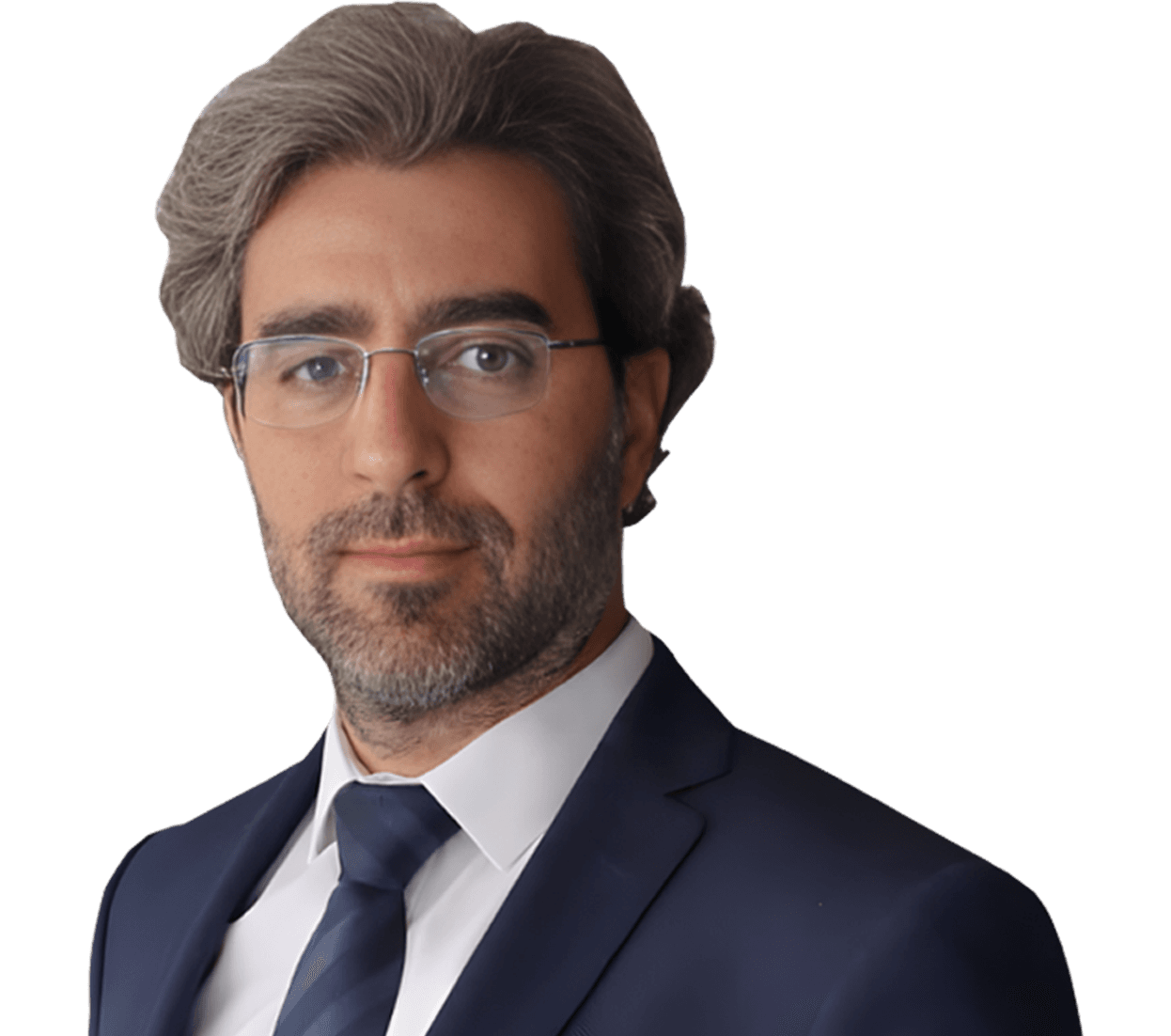
ABOUT THE HOST
Ashish is a serial entrepreneur and serves as the CEO & Co- Founder of Restroworks. He is one of the entrepreneurs who has mastered the art of bootstrapping startups to scale. Ashish is a prolific angel investor and mentors budding entrepreneurs and startups in Silicon Valley and India.
ABOUT THE GUEST
Jil Assaf is the Chief Operations Officer at Shawarmer, leading large-scale operational and profitability transformations as the brand prepares for international expansion. With leadership roles at Burj Al Hamam and as Managing Partner at Lumen Hospitality Consultants, Jil has driven business growth, franchising, and capability building across the MENA region. He holds a Hospitality Management degree from EHL Lausanne.
Speakers
Episode #52
In this Restrocast episode, Ashish Tulsian sits down with Jil Assaf, COO at Shawarmer, to trace a career built on grit and reinvention. Jil recalls launching a teenage snack counter in a Beirut billiards hall, the Lebanese hustle shaped by instability, and operating across the Middle East. He describes building the hospitality arm of Qatar’s Pearl Island, why a policy shift forced an exit, and how founding a 15-country consulting firm led to burnout, a reset in Saudi, and a renewed focus on health and purpose.
Jil shares the Burj Al Hamam turnaround, from low tech to digital and profitable even through COVID, then his venture at Shawarmer in 2021 as the brand crossed 120 stores. Planned international expansion paused while he rebuilt the operating system, strengthened unit economics, and prepared for IPO. He unpacks tripling profits through a detailed, sequenced plan, quick wins that fund long-term change, and leadership buy-in.
Find us online:
Ashish Tulsian- LinkedIn
Jil Assaf- LinkedIn
Jil Assaf:
My journey started when I was about 14, 15. I used to see my mom cook a lot and I took an interest for it and then one day I decided, you know, why not open something on my own. So my affinity for the food came on quite early. So I was 15 and I went to my father and said I need 100 bucks. Went to my mom, same thing. Went to my uncle, same thing. Got $300 and I went there to the owner and I said you know what, we always come to play here but there’s no food, there’s nothing. Can I open like a snack here? And this is how it started. Yeah, we did it. It was amazing. It was a beautiful experience. We lost money, who cares.
Ashish Tulsian:
But I see that Lebanese people, one, are very, very entrepreneurial. The amount of Lebanese people that I find in lifestyle, food, hospitality is phenomenal.
Jil Assaf:
And it’s been always the case since I’m born, you have to rely on yourself. You have to be extremely independent and you never know what’s coming the next day or the want, the desire to enjoy life on a daily basis. And then I moved to our beautiful Mehmed Island, massive project.
The mandate was go and get the best brands out there. I had the chance to travel the world from Hong Kong to New York, top-notch. You name them, list them all, be it hotels or restaurants. And it was a blank check so we could do literally anything. I was recently married, recently built my house, three kids, traveling 250 days a year. Then I burned out and this is where I think my second journey of life started.
Shawarmer, when he called me back in 2021, he was like, okay, now we’ve reached 120 stores and we want to grow more, we want to go IPO, we want to go international. Are you interested? I was like, you know what, why not?
Ashish Tulsian:
What are the top two, three things that you will say are the most important?
Jil Assaf:
And maturity comes at a different stage. Well, second of all, I would say…
Ashish Tulsian:
What do you love more, operating or consulting?
Jil Assaf:
We’re live, right?
Ashish Tulsian:
Hi, welcome to RESTROCAST. Today, my guest is Jil Assaf. He’s the COO and Chief Strategy Officer at Shawarmer, one of the fastest growing Shawarmer chains in Saudi Arabia and beyond. Jil is one of those guys who are an antithesis to, you know, what I say about most of the operators, that you fall into it accidentally.
Now, Jil is somebody who has been dreaming of being a restauranteur since childhood. Somebody who claims to, you know, have a stint at the restaurant at the age of 14 at a billiards or a pool center he used to frequent as a kid. To going to study hospitality at Lausanne, Switzerland, working with some of the most iconic projects across the Middle East, starting his own consulting, you know, for many years.
And finally, you know, contributing to the growth story of Shawarmer. This conversation was very, very free-flowing. In Jil, you can see a seasoned operator, somebody who knows his stuff really, really well. Somebody who has really, you know, endured and got strengthened through the bruises, but at the same time, his love for hospitality and food is quite visible. It’s a fun conversation. I’m sure you’ll learn and enjoy. Welcome to Restrocast. Jil, welcome to Restrocast.
Jil Assaf:
Thank you for the invitation. It’s a pleasure.
Ashish Tulsian:
With all the great things that you guys are doing at Shawarmer today, I am all ears and I want to know everything, but before that, you know, why don’t you start with the start? You know, tell me a little bit about your early life and how did your career progress?
Jil Assaf:
Great. Shall I go very far or?
Ashish Tulsian:
Why not? Where were you born and raised?
Jil Assaf:
I think the funny part, typically where I, you know, my journey started when I was about 14, 15. I used to see my mom cook a lot and I took an interest for it. And then one day I decided, you know, why not open something on my own? And I was 15. So this is where my journey started in the food industry.
Ashish Tulsian:
Where were you?
Jil Assaf:
In Beirut. Born and raised in Beirut. So my affinity for the food came on quite early for the food industry. And so I was 15 and I went to my father and I said, I need a hundred bucks. Like, what for? I’m like, don’t worry. Just give me a hundred bucks. Went to my mom, same thing. Went to my uncle, same thing.
Got $300, wasn’t enough. Called a friend, told him, bring a couple of hundred bucks. We’re going to do something very fun. We’re going to open like a joint. So I identified a small space where we used to go and play billiard. And I went there to the owner and I said, you know what? We always come to play here, but there’s no food. There’s nothing. We spend a lot of time here. Can I open like a snack here? Like, sure. And this is how it started. So we operated for about a whole summer.
Ashish Tulsian:
Oh, really? You did that?
Jil Assaf:
Yeah. It was amazing. It was a beautiful experience. We lost money. Who cares? It was just an amazing experience.
And that was my first dive into what it meant to serve customers, you know, to take care of an inventory, to all of these things. So that’s how we kind of all started. Then later in the days when I finished school, I knew I wanted to get into it and did my research. Switzerland came as top number one, Lausanne. And I said, this is where I want to go.
Ashish Tulsian:
Wow. I mean, before you go further, I always, I mean, I see that I’ve never been to Lebanon yet, but I see that Lebanese people, one, are very, very entrepreneurial. You know, they want to start businesses, they want to do businesses, they want to scale businesses.
And the amount of Lebanese, you know, people, you know, that I find in lifestyle, food, hospitality is phenomenal. Why? What good happened in the past?
Jil Assaf:
I think my take on that is that, you know, I’ve lived a couple of wars, right? So when I was about nine years old, 10 years old, we were under the bombs. We were living in shelters.
And it’s been always the case since I’m born, you know, you have to rely on yourself. You have to be extremely independent and you never know what’s coming the next day. And I think we came to become, we became very autonomous as individuals, very entrepreneurial because, you know, you have to rely on yourself. You can’t rely on a government, you can’t rely on, you know, health care, you can’t rely on anyone to support you. You’re on your own. That’s it.
That’s for one. For two, this drove as well, I think the need to, or the one, the desire to enjoy life on a daily basis, because you never know what’s going to happen the next day. So I think this is how, you know, Lebanese became to be really people that love to live, that enjoy life every day and became entrepreneurs, you know, very, very self-sufficient in any way you can imagine.
Ashish Tulsian:
So you think that the conditioning happened because of the geographical…
Jil Assaf:
I think because of the situation in the country that’s been the case for the last 50 years. You don’t know what’s coming the next day, you can’t rely on anyone, you’ve got to do things on your own. And that drove people to become entrepreneurs, you know, they know how to do things, how to make things happen, because there was no other choice. And the joy to, you know, to live every day. So put those two things together.
Ashish Tulsian:
I’ve heard about great Beirut parties.
Jil Assaf:
Oh yeah, big time, big time. And I’ve been around, honestly, I’ve been around, it’s not because I’m Lebanese, but there are a couple of cities for me. New York is one place I love to party in, and I love that the scene is amazing there. And number two is Beirut.
Ashish Tulsian:
Oh wow, I’ve heard a lot. In fact, Russell Peters once made a very bad joke. Russell Peters? He made a joke once, and for me that defined it. Joke is in a poor taste, but he said, I mean, he was, I think, the room had a lot of Lebanese in it. So he’s like, he said, how many people from Beirut? And he said, well, you know, you guys throw some of the best parties. Last time I was in Beirut, I saw people partying, literally as if there is no tomorrow. So I was like, oh, damn it.
And that was a time when, you know, some bad stuff was going on. But I think that kind of defined it, that, oh wow, I mean, parties are…
Jil Assaf:
And you feel it. I mean, you know it, you feel it there when you go there and you meet people. Anytime you meet somebody, they’re trying to set up a business, doing something. Doesn’t have to be a restaurant, can be anything.
Ashish Tulsian:
Yeah, most of my Lebanese people exposure is in Dubai. So, and I, as I said, you know, most of the hospitality, like hospitality scene, party scene, good venue scene is full of Lebanese people. So that tells me that, okay, there’s definitely something happening in Lebanon, which just spread across the region.
Jil Assaf:
There’s probably another thing also, which is that the level of education in Lebanon is extremely high. It’s always been the case, and it’s still the case to a certain extent today. But the level, especially in private schools, obviously, knowing that the public sector is not even close, but most people go to private schools and they have an excellent level.
That makes also a big difference, by the way. So you’ve got a very good education and you’ve got the drive to do, to come up and develop projects. So I think, put things, you know, do all of these things in a blender and you’ve got a very good outcome.
Ashish Tulsian:
So you decided to go to Switzerland to pursue education in hospitality.
Jil Assaf:
Yeah, I mean, number one is Lausanne, hospitality business school. Went there, amazing four years, beautiful years, great lessons, multicultural, 120 nationalities. First contact for me with, you know, the rest of the world, if you want, in a sense or another.
Learned a lot, obviously, did a few internships, learned Mandarin, learned Spanish, went to China, worked in Beijing, then eventually graduated and came back home because I was nostalgic. And at that time, I felt that I could make a difference in my own country in terms of tourism and hospitality and everything. Still had hope that we could make a difference and that it would make sense to start my career back home, although the whole world was open to me at that stage. So I went back home and I started working in a consulting practice, a boutique consulting firm. It was a really good journey as well, because I had the opportunity to work for about five years as a consultant serving the region. So in Syria, Jordan, Dubai.
Ashish Tulsian:
In hospitality?
Jil Assaf:
Yeah. Hotels and restaurants, most of it. A lot of consulting assignments, a lot of development assignments. But also I worked on projects that I, if you want, developed, conceptualized, did their feasibility studies and everything and then operated in them. So got to see both sides of the fence. When you’re a consultant, it’s all good on paper.
You’ve designed something, you’ve done a feasibility. But then when it comes to fruition, it’s a reality. And then you can reflect on what you’ve done as a consultant and what you’ve seen on the ground. So that was an extremely interesting experience, because I got to see both sides of the fence, being a consultant, being an operator. So I did this for five years, then came back. Another set of problems and challenges back in Lebanon in 2006, bombings and those kind of things.
Typical things went sour, the whole scene changed, everything changed. I even had in my own, I had opened like a small resto pub as well. I had to close down, typical. And then I moved to Qatar. Qatar, the Pearl Island, a man-made, beautiful man-made island. Massive project, unique project, unique opportunity.And at that time, they wanted to establish a hospitality arm. And the ambition was obviously to, as the island was coming to life, you needed to start, obviously, introduce brands, restaurants, hotels and entertainment to it. So that arm was intended to start doing those things.
The mandate was go and get the best brands out there, partner with them. It was an amazing, I think, opportunity because I had the chance to travel the world. From Hong Kong to New York, and meet and rub shoulders with the best of the industry. Top-notch, you name them, list them all, be it hotels or restaurants. And it was a blank check, so we could do literally anything we wanted. There was no limit. And that’s quite unique. The biggest struggle we have in life and in business is getting the funds to do things. So I got to meet a lot of professionals from all over and eventually secured about 15 different restaurant brands from all over, signed them under joint venture agreements for the whole region. And we started off on the island, developing one after the other some of those restaurants, secured a few hotels as well, we’re working on them. 2012, I mean, we had launched the island, it was beautiful, doing well. It was liquor licensed at that time.
Ashish Tulsian:
Oh, really?
Jil Assaf:
Oh, yeah. I mean, that was the whole intent, actually, of the whole island. I mean, it’s a $20 billion project, but obviously it includes a lot of investors from across the world. Donald Trump came, we toured the island. So it was meant to be a cosmopolitan project with all the high-end perks and so forth. Obviously, you’re not going to get the Michelin star restaurants and serve water. So that was the plan. We started off, we opened high-end Chinese, we opened high-end Japanese, we opened high-end Lebanese, you name it. We’re working on hotels. And then there was a coup in Qatar at that time, 2011, 2012, and everything changed. And the license was revoked. That changed everything, obviously. So how would you run a high-end steakhouse or a high-end Japanese restaurant and couldn’t serve sake or you couldn’t have alcohol? Things took a different turn. It wasn’t any more interesting. So I left and I moved to Beirut. And I said, you know what?
I want to go back to consulting and set up my own consulting firm. I felt at that time I had enough learning and enough experience and expertise to do that. Had a partner. We set up shop in Beirut and we took off pretty well. Started serving also the region. We were covering about 15 countries. Lots of travel, amazing times, and we diversified. So it wasn’t only about hotels and restaurants. It was also catering, retail, FMCG, tourism, agriculture, you name it.
We probably went too wide, made a few mistakes along the way, obviously. And this is when came, I would say, my first real lessons. I’ve had a few in the past, obviously, but never really got the time to reflect on them. So I’ve had other businesses. I’ve done things. But I never really took the time to pause and say, OK, but why? Is this really the right thing? Was it the right thing? You’re always running.
It’s always a chase. So I came back to Lebanon, launched that company. I was recently married, recently built my house, full on everywhere.
Ashish Tulsian:
What year was that?
Jil Assaf:
- Moved on 12, established in 2012. Then got my kids, first kid, twins. So three kids, built a life, built a house, all of those things. Traveling the world, basically running, traveling 250 days a year. That was my pace. Then I burned out, obviously. And this is where I think my second journey of life started. I remember pretty well, there was a day I was back home.
It was probably 4am, couldn’t sleep. Had to pay salaries, had so many things to handle. Business was OK, business was doing well. But there was something off, you know, in my mind. Something was not happy. I was not just chasing. It was a constant chase, constant race. And then what, you know? So I remember pretty well, I went out of bed. I went on my balcony and I was like reflecting, trying to think, what am I doing? Is this what I want? OK, I’ve got a big house, got the cars, got the dog, the kids, the prestige, you name it. But I wasn’t happy. I wasn’t happy. There was something wrong out there.
Eventually, a year or two later, I got divorced. It was a good lesson as well, you know, about priorities in life and, you know, time matters, family matters, all of these things. So you start reassessing the time, all your priorities and all your, you know, your life objectives and goals. What do you want out of this time on this planet? So I went to my business partner and I said, you know what? I’m moving out. That’s it. I’ve done enough. I’m enough with all of this. It’s nice. It’s good. So it was a good run.
But it’s time for me to move on. Sold my shares and then I came to Saudi. Here, because I have a lot of, you know, a good network here. My brother lives here for 20 years. So you know what? Let me take it slow now and figure out what’s my next move.
That was an interesting chapter in my life. You know, it was part of probably my growth, personally and professionally. So the start was something of my life and my career.
Lots of learning, still young, you know, making mistakes, but not really reflecting on them. And then there’s this growth going up the ladder where you start figuring things out, more what you want and what you don’t want, making more and more hurtful mistakes or more meaningful mistakes along the way. And then when I moved here, I slowed down. I said, OK, I’m divorced. I don’t have anything now in front of me. I have time. I want to put myself back into shape. My health wasn’t great at all. Hadn’t worked out in a while. Had left all my, how do you call them? My hobbies. I’m a tennis player, I’m a golf player.
All those passions, I had forgotten about them. So I changed, I switched completely and I moved to a different lifestyle. You know, like the nine to six kind of approach. You’ve got your weekends, you’ve got your time. You’re scheduled. And that journey was really like an awakening for me. It was really a retrospective moment or introspective moment where I started taking it slow and understanding, you know, finding sort of my ikigai, you know, what I like, what I love, you know.
Ashish Tulsian:
How is it, you know, being an entrepreneur who is, you know, whether doing well or not, stressed about all the pressure that you carry irrespective every day, because the entire burden, so as to say, is on you, no matter who you work with. Two, moving to, as you’re calling it, nine to six low, you know, an employee who can actually leave, notionally leave troubles at 6 p.m. and will only pick it up next to nine. How, one, how was it, how was that transition? Two, that experience of running your own, how did that change you as an employee this time?
Jil Assaf:
Very good question, it did. I think not everybody is built to be an entrepreneur, that’s a fact. It takes a lot, it takes a lot out of you. It requires a lot of drive, a lot of grit, a lot of resilience, a lot of drive, and a lot of faith in yourself, because when nobody believes in you, you got to believe in yourself. But besides all of this, at the end of the day, there’s, I think there’s, not everybody’s the same, but for me, probably it was too early. I think I didn’t have a mentor to coach me, to tell me what to do, what not to do.
I was pretty much alone. My father is not an entrepreneur, he’s not a businessman even, he’s an artist. So I had no one around me to tell me and to guide me, and we didn’t have YouTube, we didn’t have all those podcasts, you know, where, you know, people can share and information can resonate with you. So I was out there in the dark, trying. So I would say for me, it was a bit too early, too many mistakes done along the way, and I paid a hefty price for it, probably, but also it was a lot of learning. The transition was interesting because I rediscovered and I rejoined with life. In a sense, I got to give time to myself, not to my business, not to my clients, but to myself. And that’s priceless, obviously. So that was interesting.
Now, obviously, being on the other side of the fence, as an employee and not an employer or an entrepreneur, you look definitely at things differently. Definitely. The beauty is now today as an employee, I still do act like an entrepreneur, whereby I feel sometimes I own the business even more than the owners themselves. And I care for the business even more than them. I care for the money, for the way we spend, for the way we act as a company, because I understand the value of money. And we always have these discussions at the office, whereby, you know, for example, they’ve spent $100,000.
You know, they spent $100,000 on something that you’re like, but why? Did anybody ask why? You know, this is a lot of money. Is it really bringing value to the company? Employees don’t really intend to ask those questions. You know, they just go with the flow, tick a box, move on. So that changes your perspective definitely, and it makes you a better employee, I think. That’s a fact.
Ashish Tulsian:
I think your pain, your pain in the, your perception of pain changes. You start feeling that pain. And I think generally, you’re right, entrepreneurship is not for everyone. I mean, when people come to me at times asking the question that I want to be an entrepreneur, I want to start something, I generally tell them that, sure, you can. I mean, first of all, don’t think it’s a big deal. And don’t get into the over-glamorized view of an entrepreneur.
My only suggestion, I mean, I don’t know what you’re asking me. But if you’re trying to ask me that, is it a good idea? Sure. But what will it take is not something that you are asking me right now, is exactly what you should ask me. It will take a lot of mental strength. It will take a lot of endurance.
Beyond your skill and the money and the help and the idea, how much shit can you take and still remain sane? Exactly. Is the only, you know, muscle that will sail you through. Everything else will fall in place. I mean, of course, all else needs to be done as well. But this one muscle, lack of it and presence of it will just make all the difference.
Jil Assaf:
Absolutely. It’s, you know, we don’t know these things from the beginning or from the outside. And it seems so glamorous, so prestigious, so fun. Actually, I’ve had people tell me, you know, I’m tired of this job. I want to be my own boss. I want to come to work whenever I want and leave whenever I want. Then I started laughing internally. You know, if only you knew that you’d spend double the time in the office or working literally, you know, and that’s notwithstanding the sleepless nights and so forth. So from the outside, it looks fun. It looks nice. What you see on social media.
Ashish Tulsian:
Yeah, because only the cool parts are glamorous.
Jil Assaf:
Exactly.
Ashish Tulsian:
Which is also fair.
Jil Assaf:
You see the tip of the iceberg, but you don’t really see.
Ashish Tulsian:
Yeah, which is also fair because it serves the media well. I mean, it serves everybody well, actually. It serves the hero well as well. But yeah, I mean, it’s only once you start doing something on your own fully. That’s when the real trouble starts, the endurance. And I also feel that it’s not that the, I think, entrepreneurship should be less glamorized. And not that it has anything to do with, oh, it’s difficult. Everything is difficult. Sports is difficult. Being an employee is difficult. Delivering anything is difficult, right?
Jil Assaf:
The grass is not greener on the other side.
Ashish Tulsian:
Never. It never is. I think just the over glamorization of, you know, having the control over your own time and money and choices is much farther at the end of the curve. It is there. It is for sure. But to get to that point, the grind is too much and too long. I think that part gets missed out. Only the final output gets seen.
Jil Assaf:
True. I remember once I had a lady who came into my office. She wanted to open a restaurant. She was in her mid-50s. Her kids were grown up. She’s like, oh, I cook very well. I want to open a restaurant. Like, are you sure? I mean, why? Why do you want to go there? Enjoy restaurants. Travel the world. You know, your kids, you know, they’re going to go to college. You’re done with all of this. Have fun. Enjoy life. I know, but you don’t understand. I like people. I like to cook. And I said, you’re supposed to sell me your services. I’m like, yeah, but I’m supposed to give you advice. Trust me. You don’t want to do it. Goodbye. A week later, she comes back with her husband. And he comes to me and he’s like, aren’t you a consultant? I’m like, yes.
Don’t you sell your services? I’m like, yes. We want to open a restaurant. I’m like, yeah, but I gave you an advice. And I told you, I don’t recommend. He’s like, okay, we still, we took on your advice under advisement. And we still want to go forward. Okay, good for me. Good enough. And we went on with that journey. Even before she opened the restaurant, she was crying in my office once. Even before opening. And she was like, yeah, I know what you say. I know what you’re going to say. I’m like, no, no, I’m not going to say I told you so. But this is just the beginning. We haven’t opened yet. Imagine what’s coming. Eventually, she lasted about five years.
Ashish Tulsian:
That’s too long.
Jil Assaf:
Yeah. And then she dropped it.
Ashish Tulsian:
Yeah, I mean, business is brutal. And back to the restaurants. They’re the most brutal. You know, once on the opposite side of the table on a podcast, the podcaster asked me, He said, what advice do you have for people who want to start a restaurant? I said, well, answer is advice is don’t and don’t do it as a side business for God’s sake. It’s not a side business. It’s anything but a side business.
Jil Assaf:
I’ve done that mistake, by the way.
Ashish Tulsian:
Everybody does. I did that mistake, by the way. Restroworks came out of that. It was a side project. I mean, I invested in a restaurant thinking, how hard it can be. And, you know, the funny thing is that in that podcast, I said, I don’t know what mood I was in. I said, if you want to take a revenge on someone, help them open a side project restaurant, leave them alone. Your revenge is done. They will be finished.
Jil Assaf:
Your Poision will work.
Ashish Tulsian:
That reel, so that podcast that went viral, that reel has some 20 million views. And my team was basically telling me that, that who’s side are you? I mean, what’s wrong with you? We sell restaurant solution. I was like, I say so many things of value, never goes viral. I do bullshit.
Jil Assaf:
And that’s the one that goes viral. But that’s the controversy. That’s, I mean, that’s, that’s, that’s the hard truth, you know, you know, there’s the convenient truth and there’s the hard truth. That’s reality.
Ashish Tulsian:
So now you’re, now you’re, so when you came to Saudi, you started working with Shawarmer? Was that your first assignment?
Jil Assaf:
Yeah, I came, actually, I did some freelance work for many large groups. I had a good network. I still needed to make a living, obviously. So I managed my own time as a freelancer, had a few customers left, right and center. And then one of them was Lebanese brand restaurant group, Bourj Al Hamam, leading group, been here for 40 years. But they were like a sort of a dying brand, really old school dinosaur kind of thing. And they knew they needed to change, to do something. Their profits were going down the drain. So they hired me as a consultant to sort of transform. They had tried twice in the past with different consultants, they couldn’t get anywhere. It’s very hard when you’re a 40 year old group, you’ve got employees, the average length of service was 26 years.
Ashish Tulsian:
Yeah, very difficult to change.
Jil Assaf:
26 years, imagine. You had employees that had been there for 30 and 40 years since day one, still there. So go and try to change that. So came in, did the full transformation program after a full diagnostic, started implementing it, got amazing results, changed the whole company from very low tech to very high tech, digital transformation and everything. Then the owner came to me and was like, you know what, lead the group, let’s grow, let’s continue together, which we did for a while. And then we cruised through COVID together, we even closed the year in the black, which was very rare to do that during COVID. We opened two restaurants, we opened a new factory during COVID.
Ashish Tulsian:
What brands?
Jil Assaf:
Burj Al Hammam.
Ashish Tulsian:
That’s the brand?
Jil Assaf:
Yeah. Okay. Amazing group, amazing owner, still friends. And then eventually post COVID, the owner, the co-founder of Shawarmer reached out to me and he’s like, Jil, I mean, we stayed friends because they were my clients back in 2003 when I started my career, my first client in Saudi Arabia was Shawarmer.
Ashish Tulsian:
In your first consulting gig?
Jil Assaf:
In my first consulting gig with Shawarmer. So we stayed friends, we stayed friends because at that time they were losing money, we came in and we helped them turn around and everything. And it was the start of their, you know, their rebirth at that time, Shawarmer. So we stayed friends. And when he called me back in 2021, he was like, okay, now we’ve reached 120 stores and we want to grow more, we want to go IPO, we want to go international. Are you interested? I was like, you know what, why not? So a couple of weeks later I joined them and this is where I’ve been for the last four years now.
Ashish Tulsian:
Awesome. And how’s, how’s that journey been? What’s happening, what’s happening at Shawarmer and what are you contributing?
Jil Assaf:
I mean, first I think I’m lucky, I’m blessed and I’m grateful that I’m, I’ve been able to do the job I love, something I love. I’m passionate about food since I’m 14. Not everybody gets to do this on a daily basis. So for me, it’s, it’s, I go to work happy. Every day I wake up, I run to work. That’s not a given for anyone.
My, my mission with them was initially to quickly go at the international outlook for the brand and start growing it. After about a year and a half, tirelessly trying to do so, we realized that we had, we had to fix more internal issues first and groom ourselves better to grow international. True, we had some experience in franchising locally, domestically, but still it’s, it’s, it’s not easy to grow internationally. You really need to be ready for it. And being in an industry or in a segment of the industry that is, as I was sharing earlier, it’s very different. Shawarmer is unlike anything you know. It’s unlike the burgers, the pizzas, the coffee shops. It’s totally new. It’s totally different.
It’s like cooking. It involves a lot more complexities and so forth. So we needed to sort out quite a few issues first. So instead of continuing with the development, I switched to corporate and moved to more strategic role and operating role.
So currently I overlap both roles as a head of strategy and as a head of operations. And my mission has been in the last two years to improve the profitability, optimize the systems of the company and groom it for what’s coming next, which is going IPO towards the end of the year or early next year at the latest and then go international. So in the last, I would say two years, we’ve been very deep into trying to transform the company at the core, the way we operate. We’re really doing an operating system complete upgrade.
Ashish Tulsian:
Everybody wants to start a restaurant in life almost. And everybody who ends up starting a restaurant and is decently successful or continues to exist, let’s say three years plus, they want a franchise. And anybody who starts growing a little bit, they want to go international.
I think that’s just the playbook of ambition, which no matter how one feels is unique, continues to be with everyone. But if you go reverse, rarely brands are able to do that. Rarely they’re able to get out of their own mold and franchise successfully. And the rarest are able to cross borders, sometimes their own cities and very, very rarely countries. And that’s what makes the brands who are able to do it great. If an existing restauranteur who is willing to, let’s say franchise and eventually go abroad or go international, what are the top three things you will tell them that you have learned or discovered practically?
Theoretically, we know a lot of stuff. But practically, what have you seen, done, learned in the last couple of years with Shawarmerr? And this is a question I will, it’s a sorry for a longish question. I will still nuance this. When you joined Shawarmerr, there were already 120 stores, already had reached a certain spot. They were already validated. They had demand. Product was market fit. They had something going on right for them.
But what you mentioned is a very important point that, from 120 to 180, this journey also made you guys realize that, oh, maybe we are not ready yet. Maybe more work needs to put in before we take the plunge. What are the top two, three things that you will say are the most important?
Jil Assaf: (38:09)
I think every brand is different. And maturity comes at a different stage. I think again, Shawarmer is really carving out something totally new that nobody has done in the past. Go on the web today, try to find any brand in the world that sells Shawarmer, that has scale to upper scale. You won’t find any. And that’s for a reason.
But even if you were in the burger arena, or you were in the pizza arena or anything, you definitely need to have acquired a certain maturity to have mastered, literally mastered, your business, the economics of your business, before you can even start claiming that you can transfer the knowledge. That’s for one. And it’s not because you’ve called for a consultant and asked them to prepare for you some operating manuals. Typically, they would just, you know, cookie cutter kind of approach. Copy, paste, download from Google and, you know, copy and replace.
Ashish Tulsian:
Yeah, there are all kinds of templates available with McDonald’s and KFCs of the world.
Jil Assaf:
This doesn’t work. But even if there were custom manuals, which nobody does because it’s very expensive, very lengthy to do and very exhaustive. But even assuming that you did this, what I’ve learned is that being a franchisor is a totally different culture and operating system than being an operator. When you operate your brand, you do things on a daily basis. Open restaurants, run them, you manage your cost, your payroll, your staff, your marketing, these kind of things. That’s what you try to optimize, try to make money out of it.
When you’re a franchisor, it’s something totally different. Different culture, for one. Because those restaurants become your clients.
Ashish Tulsian:
Correct.
Jil Assaf:
And I say this by experience because we have about 20 stores that are franchised. And we have this struggle internally. The way we treat those franchisees has to make sense because they’re not our own stores, they’re not our own restaurants, they are clients of ours.
So we need to serve them, we need to listen to them. So it’s a totally different culture and mindset that you need to have at corporate level to be able to serve well your franchisees. And that mindset is very difficult to have or you can’t really have both of them under one roof.
True, McDonald’s has it maybe to a certain extent, but McDonald’s is McDonald’s, that’s a different school, they have 70 years behind them. So I think that’s number one, you can’t be this and that. And if you want to be a franchisor, you’ve got to learn the ropes of being a franchisor and you’ve got to change your mindset and your culture internally.
And most probably you’ve got to drop your own stores or operating your own restaurants, throw that cap away, put on the next cap of franchisor and develop the skillset that you need and the capabilities internally to be a good franchisor.
Ashish Tulsian:
Like many people, you’re absolutely right, I think many people in the world don’t understand or know I would say that Yum for example, Yum Brands, the owners of Pizza Hut, KFC and Taco Bell, they are a management consulting company, they’re not a restaurant company. I mean, for all practical purposes. They act like a management consulting company who consults and helps and continuously innovates and documents for the franchisee business and for franchisee operators. I think that’s the hat that we are talking about here.
Jil Assaf:
Absolutely, and come to think about it, it makes total sense because franchisees are going to invest on your behalf, they’re going to invest in your brand. Correct. The equity is yours, they need to make money, that’s it. They’ve got this real estate, they’re going to try to make money out of it and your role is to ensure that this is going to happen and everything you do has to serve that purpose. When you do R&D, when you work on supply chain, when you work on all these matters, on technology and you name it, it has to serve that purpose. So it has to be really win-win. It cannot be only win and maybe lose, maybe win, it doesn’t matter. You have to think about them first before thinking about yourself. Their success is going to be yours. So aligning those interests.
Ashish Tulsian:
So one is that you have to have a franchisor hat, what else?
Jil Assaf:
Well, second of all, I would say you need to build the capabilities, the team internally, to be able to address and support your franchisees. That’s a lot of work, much more than you think, much more. I’ve seen it also with Shawarmer, whereby the amount of requests you receive to support them is humongous. It’s great, it’s a lot of work. So you need to have a dedicated team for that. You can’t say, I’m going to have my separate team or my marketing team, my operating team, just try to support them along the way.
No, you need a different structure. You need to have that capability. And that capability, which is specialized, obviously needs to do the right homework, have a proper franchise program to be able to support properly and train properly and share the knowledge on time and so forth. That’s about it. The rest, I think, the typical advice that you’d hear about making sure that you can train them all the time, making sure that all of these things, I think those are hygiene factors. They’re basics.
You need to have that. I think for me, the fundament is really either you have the right cap on, dedicated for that, and you change your culture as a company to being a franchisor and then build the right capability internally. The rest, you’re going to learn on the go. It’s not a deal breaker. It’s not going to be a major impediment to being a successful franchisor. You’re going to learn with time, for example, that you’ve got to be agile.
You’ve got to be adaptive. You’ve got to be flexible. If you’re going to open tomorrow’s Shawarmer in, I don’t know, in Belgium or in Nigeria or in Malaysia, you’re going to have to adjust your menu. You’re going to have to adjust your offering, your recipes. It’s okay. It’s not the end of the world. You can’t be who you are everywhere with the same thing. So these are things you’re probably going to learn along the way.
Ashish Tulsian:
Consulting is much easier than operating.
Jil Assaf:
Cheers to that.
Ashish Tulsian:
I always feel that it’s also thankless. I mean, less gratifying because you don’t have control over the outcome of what you thought or what you painted the picture with. You have had both the hats. What do you love more, operating or consulting?
Jil Assaf:
We’re live, right? Both. I like both, honestly. Consulting is nice if you’re an honest consultant, obviously first.
Ashish Tulsian:
But then you won’t make money.
Jil Assaf:
But then you won’t make money a lot. That’s true. I’ve been there, by the way. I’ve been there. I realized very quickly also how much you’re still going to monetize your time. But if you really want to be a good consultant and an honest consultant, there’s no way your client will value your time for that.
So monetizing becomes very difficult. So you start cutting corners and selling stacks of paper. But still, the nice part, I think, about consulting, and this is what I’ve been through in 10 or 15 years of consulting, is that you get to see so much. And you get to learn a lot that you wouldn’t dream of learning in any other job. So I’ve consulted for over 100 companies, probably different segments of the industry and even different industries. And that opens to you a lot because you see a lot of the mistakes also.
You learn a lot about what others have done as mistakes, what they’ve done right, what they’ve done wrong. And this is invaluable, obviously. Plus, it’s not boring because there’s not one day that’s the same as the other. Every engagement, every case, every client, every organization is totally different. So it brings a lot of life to what you do and it’s a lot of novelty and you’re always learning and engaged. That’s the nice part. It’s hectic, obviously. It’s very demanding, again.
Ashish Tulsian:
But when you, after such a long consulting stint and consulting over 100 companies, you kind of lose the muscle of operating. That’s what my belief is. Please correct me if I’m wrong.
But I’m curious to know, one, what was the early shock or shock may be a strong word. What were the things that you had to readjust to when you sat on an operating chair again? Did you have your time when you were still consulting mode while wearing the operator hat?
Jil Assaf:
I think my nature, I’m a very hands-on guy. Extremely hands-on. I love the food industry. I love restaurants. I go on the ground. I’ve owned restaurants. I’ve owned businesses. That makes a difference. When I started my career also, I had the chance to be a consultant, but also to be an operator in those projects. It’s a very unique and very rare chance. I’ve had to be on both sides of the fence. So I have a good sense of what it means to be an operator, to be on the ground.
So whenever I come to develop a hotel room or a restaurant, dining room or restaurant kitchen, I know what I’m talking about. I’ve been a cook. I’ve been a waiter. I’ve cleaned hotel rooms. I’ve done that. So I know what I’m talking about.
That helps a lot, obviously. Again, when I was a consultant also, I always used to even fight to have the chance to execute my deliverables because I was very confident and I was very confident about the job I would provide as a consultant. So I’ve done that with Bourj Al Hamam.
When I did my diagnostic, my assessment, and I came up with a program, it was a one year and a half program, surgically timed, initiatives in detail about what needed to be done as a sequence to reach to the objectives. And I insisted to be able to have the chance to go and execute that. It was a personal challenge because it was a really complicated mission. But also I wanted to prove to myself that I can actually do it and that my work as a consultant has actual value. And I did it. And I achieved it on time, to budget and everything.
So that was my first, if you want kind of real proof that you can be a consultant but you can also be a very good operator. So I did that. Then I operated the company as managing director for about a year and a half or two years. Grew the business and so forth. So we went from X to Y, we grew the business, you name it. Then came in Shawarmer, kind of sort of the same thing. I was also wearing a strategic hat, an advisor to the board, an advisor to the co-founder and so forth. That theoretical kind of aspect. But then again, when I came in and took on the role of COO in the group, same thing. I’m executing what I was preaching, basically. But then again, it’s paying off. And again, I achieved my targets and better. I promised to triple the profits I did in about a year. But that shows again.
Ashish Tulsian:
Tripled?
Jil Assaf:
Yes.
Ashish Tulsian:
What was the secret? Give it away.
Jil Assaf:
Honestly, aside the knowledge, put that aside, technical acumen and everything. I would say an extremely detailed, crafted, surgically crafted, action plan and discipline in the execution.
Ashish Tulsian:
More pointed question. Tripling is, I mean, tripling is just, that’s why these questions, triple is too much. That tells me that it cannot be unidimensional. It cannot be a single dimension. So was it cost cutting? Was it a higher AOV? Was it more top line? Was it…
Jil Assaf:
It’s everything. It’s everything. You gotta touch on everything. You gotta go everywhere.
Ashish Tulsian:
What were the top two levers?
Jil Assaf:
Obviously, any consultant, you ask them, how can I improve my profitability? They’re gonna tell you, cut cost, increase the sales. That’s the equation, you know, sales minus cost equals profit. But then the big question is, how do I increase my sales? One, my net sales, incremental business. That’s a big journey also. And then you’ve got the cost element, which is…
Ashish Tulsian:
Which not always plays well.
Jil Assaf:
No.
Ashish Tulsian:
If you are, you know, if you’re doing it in single-mindedly, it may be counterproductive.
Jil Assaf:
Absolutely. It can be very short-sighted. It can be very momentary. But then again, it’s about efficiency. It’s about, you know, being very detail-oriented. The devil is in the detail. And then, very often, you uncover so much that you can do to actually be better at what you do, the way you spend money and the way you utilize your resources. And we quickly realized, after an extensive diagnostic, again, the way I typically do them, cross-functional, going into details about everything, leaving no stone unturned. And then you identify all of these areas where you have room for improvement.
Then it’s a compound effect. But then the execution is key because you have a lot of consultants that give you very sound advice. But the problem is, either those documents, they just take dust on a shelf because most companies don’t even know how to start or where to start or they don’t even believe in them because they require a lot of work or changing or transforming or pivoting, which they don’t want to go through. Or if they try even to do it, it’s very complicated and very complex and requires a lot of discipline, a lot of grit to go there, to dive in and to change things because it requires change. It requires transformation. Sometimes you need to go very deep and change the way you do business at the core itself.
It was the case in Shawarmer. We had to transform. We had to change a lot of things that they’ve been doing for the last 20 years that was not ideal. I don’t want to say wrong. So we had to go that deep. Thankfully, I had the endorsement of the CEO, full endorsement, whether it was in the digital transformation or whether it was in operating changes within the company, it was full on, full steam on.
And so we tackled them one by one, one by one, changed a lot of things. But then you’ve got the quick wins that quickly reflect on your P&L. And the beauty about when you are able to tackle those low-hanging fruits at the beginning of the transformation journey, you get to fund your journey on the mid to long run. And that’s what you also need because you need, as you said, endurance, you need breadth. Things don’t come overnight, especially when you have 140, 150 restaurants in 35 cities. Takes a bit of time to get there. But eventually we did it.
Ashish Tulsian:
How do you enrich yourself? How do you learn? You read, you podcast, audio books, courses, conferences. What’s your method of learning?
Jil Assaf:
Growth mindset. I mean, I’ve got one of my early days mentors, the one I started my career in, Waleed, to whom I owe a lot. He taught me one thing, reading books. I wasn’t really a book reader initially. But then he taught me the value of reading and learning. And I acquired the taste. I acquired the taste to learn and to read. So I read a lot.
Ashish Tulsian:
What is it that you’re reading right now?
Jil Assaf:
I mean, it’s a bit personal. It’s a book about changing the way your brain works, basically. Rewiring your brain, in a sense. I forgot the name of the author. It’ll come back to me. It’s a very interesting book. It’s about basically that you can actually… The way the brain operates as an operating system is based on habits. It’s habits and it’s repetitive. And the brain needs to save energy, basically. So what it does is that anything you can put on autopilot, it will put it on autopilot.:
So through this book, you’re learning and we’re learning how to, through meditation and other exercises, you can rewire and change the way things operate in your brain. So that’s something I’m reading on now. Very interesting.
Ashish Tulsian:
And what’s one book that really changed or what was the last book that you learned something from that you quoted or which you suggested to others?
Jil Assaf:
Well, there’s many books. I like Outliers. Adam, what’s his name? Malcolm Gladwell. He’s got many books that are interesting. What the dog saw and a few others.
Ashish Tulsian:
I think Tipping Point is also his.
Jil Assaf:
Tipping Point is his. Very interesting. So yeah, but Outliers was a very interesting one, I think to me, that made a lasting impact. There’s the Shift by Carlos Ghosn, how he transformed Nissan. And I use actually some of his approaches in my transformation work.
Ashish Tulsian:
Give me one.
Jil Assaf:
That’s exactly what I mentioned earlier, being extremely detail-oriented. He’s somebody that used to go down to the production line and give comments, even on the design of the cars. Being able to be cross-functional, being a jack of all trades, maybe master of none, maybe.
Maybe yes, maybe no, but at least being able to be everywhere and to understand everything that happens. So yeah, Nissan Shift was a very interesting book.
Ashish Tulsian:
I think somebody recently was talking about this, which I completely agree with. I don’t know if they were quoting someone or they were just saying it. This guy said that before you become a specialist, if you really want to succeed as a specialist, be a generalist first. Being jack of all trades and master of some is the greatest idea. He was saying this in the context of entrepreneurship or leadership in general, which I was like, yeah, that makes total sense.
Jil Assaf:
It makes total sense. I mean, you look at doctors today, I mean, first, before you can become a surgeon, you’ve got to be a doctor. Then you can specialize. You can be a spine surgeon, you can be a gynecologist, you can be, so that’s one example. Even in our own industry, when you go to our university in Switzerland, well, you get to learn everything. So you do laundry, you do housekeeping, you do cooking, you do, you name it.
So you do everything. And we’re always questioned why. And one of the teachers was telling me that if one day you aspire to become a general manager of a hotel, Well, you need to understand what your receptionist is doing, but also what your maintenance, chief of maintenance is doing and what your CFO will be doing and what your guest relation is doing and what your head of kitchen is doing.
Because all of them will be trying to do things in a certain way, one way or another, but you need to understand so that you can manage properly. So you need to understand a bit about what the head of maintenance does and the decisions he’s suggesting to take if they’re sound, if they make sense. So you’ve got to be, as you said, maybe a master of some, but a good generalist is very often a good way to become, I think, at the top of a company.
Ashish Tulsian:
Jill, my last question. So there’s a lot that the opportunity in Saudi Arabia looks huge, but at the same time in last few years, people have taken that opportunity and now the supply is also huge. So demand is still catching up, supply is, I think there’s oversupply, which is also fair because people are enthusiastic, young population, they want to open more restaurants.
What is your general view of Saudi Arabia as a market over next 10 years? What are the, why do you believe in the growth drivers and in case you have a moderate opinion, why?
Jil Assaf:
So back in 2003, I went to Dubai. It was already early development stage, but still not like today. For some reason, I didn’t believe in it. I didn’t believe in the dream they were setting. I remember landing there at the airport and seeing all those huge billboards with the skyscrapers and everything and sending you the dream of Dubai. And I didn’t just didn’t believe in it.
I didn’t think they could make it the way Las Vegas did it, build it, they will come and the whole thing. So why not? Dubai did it, Vegas did it, Saudi can do it. There’s no problem to that. It’s just a matter of time. But why do I believe in Saudi Arabia?
I think there’s an amazing vision. I’ve been here for a while now. I’ve been settled here since 2017. So that’s now almost eight years. And I’ve seen the changes. And I know Saudi back in the days in 2003. So I’ve seen that evolution. It’s extremely fast. It’s amazing.
It’s fascinating. Actually, it’s gonna be a business case. I’m pretty sure one day for all politicians out there, the speed at which change is happening here at social level, forget about economics, is incredible. That change is underestimated. It’s just incredible. And it doesn’t come only from the top.
It comes from the Saudis themselves, their adaptation, their eagerness to evolve, to change, to adapt, to find their own, I would say, identity along the way. This young generation, and they’ll find their way. I’m pretty sure they’ll find their way. Now for us, I think they have a great vision. Put aside any geopolitical change to which no one has any power over. I think they have an excellent program. On the very short term, yes, supply and demand. This is something, it’s an equation that changes all the time. You’ve got some collateral damage along the way, of course.
On the vision of a country, the next 30 years probably, they’re already planning 2050. Whatever they do in terms of legislation or changes, yes, you might have some collateral damage along the way, it’s normal, it’s okay. At the scale of a country, you’re thinking interests are much wider.
So yes, there’s room for everybody. The country is gonna grow. There’s a lot of opportunity. It’s a real economy. It’s not only going to be based on tourism, but it will have also a big industrialization and industrial component as well. There’s a real economy here compared to other countries that are much smaller, even the Emirates.
So I’m very optimistic. And I do think, and I do encourage anyone to come over here, just visit, check it out. I’ve got my cousin that came here last year, actually last week. He works in the automotive industry in Germany. So he’s been with Nissan in Japan, he’s been with Renault, he’s been in Berlin for a while now. And he got curious. He was like, you know what? I want to check out what’s going on out there. I want to see what you guys are doing. And here they’re producing cars also. I mean, they’re assembling cars, Lucid. So he came in and he was amazed. He was amazed. He was like, man, I have never, ever imagined that this is Saudi Arabia. Because you know what the typical archetype of what Saudi can be. So I think it’s a great place to be at now. Anybody willing to grow in whatever industry you’re in, now is the time to come to Saudi.
Ashish Tulsian:
Jill, this was a great conversation.
Jil Assaf:
Thank you very much.
Ashish Tulsian:
And thank you for agreeing to do this. I’m sure anybody who’s going to watch this is going to learn a lot and get a lot of perspective.
Jil Assaf:
I hope it does resonate.
Ashish Tulsian:
Thank you.
Jil Assaf:
Thank you.
WANT THE LATEST SCOOP?
Subscribe to the Restrocast newsletter
Get the updates on the upcoming episodes, insider news, and email content full of value right in your inbox, never pushy, always free.
Home | Episodes | Newsletter
TUNE IN RESTROCAST ON
Podcast powered and distributed by Restrocast Inc.