
episode #38

Insights from James Walker on Mastering the Restaurant Industry: A Candid Conversation with Ashish Tulsian

In this episode, James Walker shares his journey as a hospitality leader with 30+ years of experience. From balancing franchisees and customer needs to thriving in chaotic environments, James provides actionable wisdom and candid stories that inspire.

     

Listen to this episode now

ABOUT THE HOST

Ashish is a serial entrepreneur and serves as the CEO & Co- Founder of Restroworks. He is one of the entrepreneurs who has mastered the art of bootstrapping startups to scale. Ashish is a prolific angel investor and mentors budding entrepreneurs and startups in Silicon Valley and India.

ABOUT THE GUEST

David Bloom

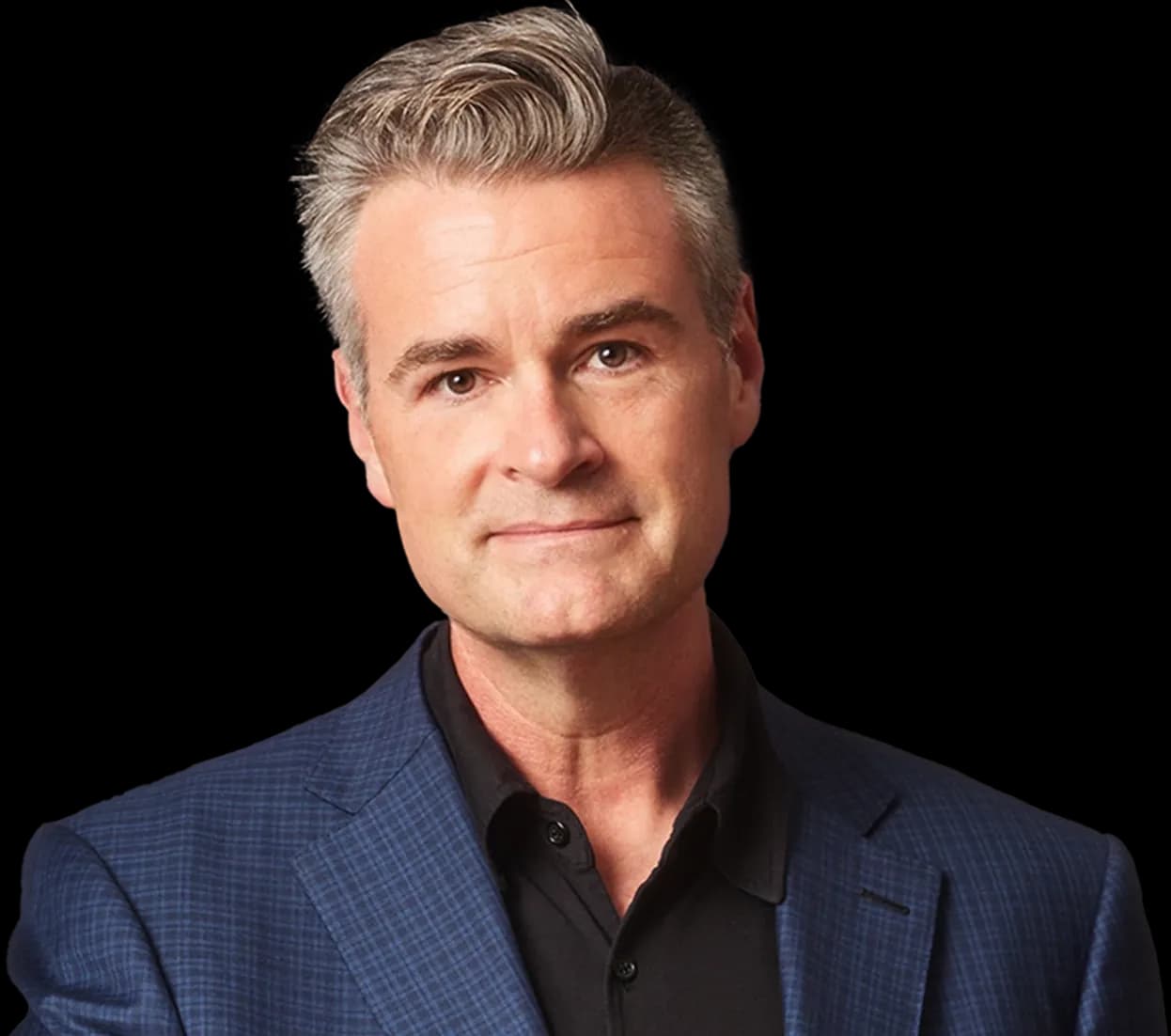
James Walker is a renowned hospitality executive with over 30 years of experience across QSR, Fast Casual, and Casual Dining segments. A leader in restaurant technology and delivery innovation, he has driven customer experience, international expansion, menu evolution, and brand repositioning for iconic brands like Nathan’s Famous®, Baja Fresh®, Cinnabon®, and Subway®. As Subway’s North American Vice President, he oversaw 28,000 restaurants. Walker holds an MBA from Duke University and credentials from Yale, Harvard, and MIT, cementing his expertise in business strategy, AI, and social media innovation.


Speakers

Episode #38

In this episode of Restrocast, Ashish Tulsian sits down with James Walker, a seasoned leader with over three decades of experience in the restaurant industry. Known for thriving in chaotic environments, James shares his journey from managing restaurants to leading transformative initiatives in hospitality. He recounts memorable stories, like working with Chris Elliott at Cinnabon, and highlights the importance of honesty and decisive leadership in challenging situations.

James delves into his decision to pursue an MBA at Duke, discussing how it enhanced his understanding of finance and data-driven decision-making. The conversation explores the role of private equity in shaping restaurant brands, with James offering a nuanced perspective on balancing profitability with preserving a brand’s identity. He emphasizes the value of collaboration, franchisee support, and maintaining respect in high-pressure environments.


Find us online: 

Ashish Tulsian – LinkedIn 

James Walker- LinkedIn

Ashish Tulsian: 

Hi, welcome to RESTROCAST. Today, my guest is James Walker. James is a restaurant executive who packs three decades plus of rich experience. In his own words, he has done some parts of his career in reverse. So from being a restaurant manager first, to going on the culinary side later, but also getting educated in that, but still took a left turn and entered the corporate side of the restaurants. Rose up the ladder, became president of a company first, and then went on to do his MBA. In his journey, I could clearly see that somebody who leads from the front as a people’s person, carries natural empathy, along with collaboration. Somebody who thrives in chaos, but chaos of a kind, that’s what restaurant industry is about. My conversation with James was thought provoking. I made a lot of notes. I’m sure this is going to be enriching for you. Welcome to RESTROCAST. 

James, welcome to RESTROCAST. 


James Walker: 

Thank you. Thanks for having me here.


Ashish Tulsian: 

Before we dive into your, you know, entire journey, I want to start from the start. Where it all started for you? What were your early years? And you know, how did you get into the restaurant space?


James Walker: 

Yeah, that’s well, I hope it’s an interesting story. It’s an old story. I guess in the mid 90s, I had moved to an island off the coast of Massachusetts called Martha’s Vineyard, and was doing some different work, real estate and other things, and saw an opportunity to manage a restaurant, which just, you know, struck me as it might be interesting. Always had had a love of food, and took over the restaurant and enjoyed not only the interaction with customers. And I know a lot of things come down to, you know, what part of the restaurant industry do you focus on? And for me, it’s the customer experience.

That initial mid 90s restaurant management experience, what I thought really got me excited. And it seems like, you know, one of those things that people should just know, and I didn’t and had to learn, was, you know, sold things. We would buy muffins from a broad line distributor, and the muffin was okay quality, and it cost us a dollar, and we could sell it for $2. But I could make scratch muffins for half the price. I could sell them for more, and they were fantastic. So I liked not just the ability to kind of tailor customer experience through quality and through price, but within the restaurant industry, there was a lot of levers you can pull.

So I actually went from that managerial experience into the cooking side. So cooking for a living, you know, starting at the, you know, bottom of a French brigade system as a garmanger, and, you know, making salads and desserts and different things, and kind of worked my way up, and ultimately went to culinary school. And really enjoyed that part of the business. Anyone who follows me on social media knows that I’m still very passionate about the food side.


Ashish Tulsian:

But, you know, you taking over the restaurant as a restaurant manager, you know, that happened purely, like, without any, you know, background in the restaurant industry.


James Walker: 

Correct. At that point in time, I was unconsciously incompetent. I didn’t know what I didn’t know. So I didn’t know that you should have restaurant experience. You know, for me, it was a job, and we’re looking for a certain availability and a certain managerial aptitude, and I have those things. And I would say now that the restaurant business is a different industry, because of, you know, its manufacturing, its customer service, its logistics, it’s all kinds of things rolled into one.

If what you’re intimating is how was I successful in that role, if I was, and I was at least a little successful, it was through hard work. And it’s still, to this day, one of the things I really love about the restaurant business is you don’t have to have a great education. It doesn’t matter who your parents are, or who your friends are, or where you’re connected.

If you work hard, it’s still an industry that you can go really, really far. So I would say the initial success I had in the restaurant business was solely based on the fact that I would show up a half hour early and stay a half hour late, and work really hard while I was there.


Ashish Tulsian:

And from the managerial role, and you know, being at the forefront as I’m listening, why dive into the culinary side? And you know, going to the culinary school, like, what were you thinking at that moment? You wanted to be a chef, or you still wanted to run, manage restaurants, but you wanted to understand what’s going on in the kitchen? What was the trigger?


James Walker:

I think, you know, today I use that back of the house or culinary aptitude to help curate a customer experience. At that point in time, it was, I had learned that there were levers you could pull on customer experience and quality from a culinary standpoint. That if you made things from scratch, they were probably going to be lower cost, and they had the potential to be more unique, proprietary, and you know, to offer a greater customer experience to those that were coming into your restaurant. So that got me really excited at that point in time. And there was a chef who had been very successful by the name of Jimmy Bradley, who was a couple years older than I am. And Jimmy would come into the restaurant that I was managing and would see that, you know, we had gone from prepackaged muffins to scratch muffins and, you know, different types of things that we were doing from a culinary standpoint and said, you know, listen, why don’t you, if you like this side of the business, I run a fine dining restaurant. And this was more of a middle market casual theme restaurant that I was managing. And it was more just out of interest at that point in time. It was not about career path. In fact, you know, where I was going to be working in a week or a month or a year or five years, right? Isn’t that the interview question? Where do you see yourself in five years? If somebody would have asked me at that point in time, where would I see myself in five years? Like, you know, that’s the most asinine, you know, I don’t know. Who knows? So it wasn’t, you know, a real strategic move, more of just an interest in food and wanted to be around those that were equally interested in food. 

Ashish Tulsian:

What after culinary school? 


James Walker:

So coming out of culinary school and I learned a lot in culinary school and, you know, both within school during the day and things that the culinary school allowed me to do at night, you know, manage restaurants or facilities because I had been a chef before I went to culinary school. Much of my career is doing things backwards, you know, became president of a company, went for my MBA, you know, those types of backwards thinking. But coming out of culinary school, as much as I loved it, I had had some initial success and was at a point where I had a young family. I had two children. And at that point in history, being a chef or being a culinarian was not a guarantee of success. You could be really talented, uh, but you also needed to be very lucky. And, uh, even then there wasn’t a guarantee of financial success. So the number of chefs that were household words were a handful in the U.S. And even, you know, current culinary luminaries like, uh, Emeril Lagasse, I think was making $500 a show doing the first Emeril show. So even you could be a celebrity and paying the bills at home might be questionable. So I made a determination that I would go the corporate route, um, simply because I had done that. That’s kind of my foray and initial job within the restaurant. It was on the managerial side and it was a greater, um, guarantee of being able to provide for my family. So I made a, you know, a turn to the left, if you will, um, to help securitize my personal life.


Ashish Tulsian:

I’m sure a culinary school gave you, didn’t give you, empowered you with the vocabulary and empathy for the back of the house staff a lot more than your peers. Once you got into the corporate side of it.


James Walker:

I don’t know, versus my peers. Uh, you know, I, I’m not sure I can, could say what drives my peers or who they value or what they value. Um, I think I learned long ago that those that interact with the customer or those that manufacture your product, especially if that product is edible, those are really important people. Um, now I don’t, I think I might’ve gone into culinary with, with that. Um, you know, culinary school helped me, uh, understand the need for regiment and process that you can be just stunningly creative, uh, and, and come up with just a single miraculous dish. But unless you can do that, you know, 80 times an evening, it’s all for not. 


Ashish Tulsian:

Yeah. The, the thin line between art and the science. Um, yes.


James Walker:

So I think that appreciation for, uh, the ability to replicate, you know, if, if we want to say food is art and I, I certainly like to say food is art, um, that ability to replicate that art, you know, every day, uh, including Sunday, including Monday morning. I think that probably came from culinary school.


Ashish Tulsian:

And what was your first role on the corporate site?


James Walker:

Yeah, I went to work for, uh, a very Boston company called Papa Gino’s. Uh, I’ve always loved pizza. Uh, I still absolutely, uh, you know, just think pizza, you know, there’s two kinds of pizza, good and great because even a bad pizza is still pretty damn good. And Papa Gino’s was a company that was associated with Boston. I thought they had a great product. They wanted someone, uh, who could help them develop, um, a new program really focused on delivery. So they had always done delivery, but they had done so using old rotary ovens and Rotary ovens make a fantastic pizza. The issue with rotary ovens is you had to have the ability to take a raw pizza shell on a pizza peel and slide it onto a hot piece of metal without folding the pizza in half and teaching 18 and 19 year olds, it became more difficult to do. And the ovens didn’t have the ability to put out the number of pizzas that say a conveyor impinger oven. Uh, so they said, listen, we’re, we want somebody to come in who has manager experience, but also culinary experience to begin running these restaurants where we’re going to transition from these Rotary ovens, very old school to new ovens. And we want somebody who can help us develop what that program looks like. So that was, you know, really my first, uh, you know, probably my first business card, I think was, uh, at Papa Gino’s.


Ashish Tulsian:

 And an interesting problem to solve. I mean, it sounds like a great opportunity as well.


James Walker:

It was a, it was a great opportunity. Um, at that point in time, uh, Papa Gino’s had a lot of challenges, um, and in internal communication and systems and process, um, what they didn’t have was a problem with the customer experience. Customers love them, at least from a product standpoint, I would say, uh, you know, pizza delivery is, is, is as close to guerrilla warfare in the restaurant business as I think you can get. Uh, I, you know, back then pizza delivery was kind of the only food that got delivered. Maybe if you lived in New York city, you could get Chinese food and deli. It’s not like today where you have, you know, Kareem and Talabat and, uh, you know, Katopi and these companies just doing these, uh, wide offerings of different cuisine. Um, so my point here is corporately, there was a lot of disorganization. It didn’t always or often, uh, translate to the customer experience, but it did, uh, educate me on the importance of making sure those people who interact with the guests. So the general managers and the shift managers, they’ve got to know everything within an organization. So certainly my appreciation for over communication, I’m an over communicator. Um, I think came from that, that time at, at Papa Gino’s and seeing what happens if the teams that run the restaurants aren’t fully aligned with, honestly, the CEO, the executive, the board, they’ve got to be in direct alignment for, for what they’re doing, how they’re doing it. They’re provided the right tools. And I could see what happens when that was, let’s say misaligned. 


Ashish Tulsian:

How long did you do that? 


James Walker:

So I, I did that not, not for a particularly long, uh, period of time. Um, because, you know, young, uh, in those formative steps. And while I really enjoyed the job, uh, I wanted to go somewhere where I wasn’t the teacher. Uh, and I felt there, I was that, you know, listen, I came in, I went through their training program. I learned what they had to teach me very quickly. It was a fairly simple system. Uh, I think I was able to contribute to the organization, but I wanted to go somewhere, uh, that would have a longer learning curve for myself that I would be able to learn not just the, uh, the attributes of the brand and how to execute that brand’s specific selling proposal, but just also, you know, how could I be a better leader? How could I be a better manager? And that wasn’t happening at Papa Gino’s. Now I loved pizza. Hear me say that. So there was a company called Pizzeria Uno. Uh, and at that point in time, uh, it, you still had the founder involved, uh, Aaron Spencer, uh, the CEO at the time was a gentleman by the name of Craig Miller.

And the VP of operations was Gene Lee. Now Gene Lee went on to be, uh, you know, chairman, I think chairman emeritus at Darden restaurant, a fantastic, not only a fantastic leader, but real, a restaurant tours, restaurant tour, a real restaurant operator. So I went to work for Pizzeria Uno, uh, which became just a fantastic learning environment and helped me focus on, you know, what I still use to say, how do I look at operations? How do I look at a restaurant? Um, things I learned again, both sides of the coin, seeing how someone, a great leader like Gene Lee, uh, and Craig Miller, how would they conduct themselves? What was important to them, but also like most organizations, uh, you had a lot of a players like the ones I mentioned, and then you had some, uh, further down on the report card. And I remember, you know, uh, being a general manager, it’s the first time I was managing a business that was, you know, two and a half million and had alcohol and multiple day parts. That was super exciting for me, but also got to see weaker leaders and some of the things they would do. Uh, Gene was one of these guys that we all carried three by five cards, right? You know, you, I think we even had a holder right now. Now, you know, somewhere in here, I’ve got an iPhone and I can take notes on that. But back in the day, it was three by five cards.

Gene would come in and say, you know, show me your three by five card, what’s important to you. And in those three by five cards, I remember if I saw, um, a leadership trait that I thought was negative or was something that, uh, wasn’t conducive to me running the business that I would see from, um, someone at a higher level in the organization, I would write it down and kind of, you know, James don’t do when you get that role. And I was very focused on getting those higher roles within the organization. Don’t do these things. 


Ashish Tulsian:

What were some of those?

James Walker:

So somewhere I still have the list. Now I’ve transcribed it from a three by five card to a word, you know, to a document on my phone. Uh, but I can remember some of them, you know, walking into a restaurant on my telephone that, you know, a district manager, a vice president or regional director, uh, walking into a restaurant who’s probably nervous, but maybe positive energy and seeing somebody at a higher level come in the restaurant and just walking through the front door and walking past the hostess and being on their cell phone and walking, you know, to the back of the dining room or walking to the office, not acknowledging anyone, um, was frankly disrespectful. And, you know, I, I try not to do that. If I have a conference call, I would rather, uh, and I’m a very punctual person. If my choice is walk in a restaurant and ignore everyone or be two or three minutes late and finish the call in the car, I try to finish the call in the car. So that was one. Another one, um, that’s certainly very top of mind is if you walk into a restaurant and they’re having a bad shift, even great restaurants have bad shifts, um, is not to make an immediate, you know, what, what are you guys doing?

It’s, um, to seek to understand the situation, you know, did the proverbial bus just pull up and sometimes literally a proverbial bus just pulls up and there’s nothing that restaurant could do. In fact, maybe they’re actually handling it really well. They’re not handling it, um, in a way that maybe the organization would like because they were unaware of the business. So instead to try to find the person who was running the shift, whether that was the general manager, a shift leader and say, what can I do to help out and encourage them? Listen, if it’s right now, the dish room is buried. Great. It’s not, well, let me take over the floor and you run to the dish room. No, it’s, I would walk to the dish room or walk to the line, um, and try to pitch in. Okay. When, when we’re out of that situation, then, okay, let’s sit down. What happened? What did, what did I walk into?


Ashish Tulsian:

Chaos is not the time for.

James Walker:

No. Yeah. For, for judgment. Um, and I think you can, you can gain some credibility, uh, and it’s the right thing to do to come in and really say, listen, what can I learn from you right now? Let me learn from you about what’s happening and what you think we can do to make this situation better for all involved customers and employees. And sometime later on, I’ll try to impart something to you, but I’m not going to do that walking in the door. You know, let me tell you everything I see that’s wrong. They’ve probably got a good idea what’s wrong.


Ashish Tulsian:

Yeah. Right now, right now, all of you need help. 


James Walker:

Absolutely. And I think you, I listen, I have words matter and I like catchphrases. I try not to speak solely in catchphrases. Uh, but I think that old adage of, you know, when the VP is in the parking lot and you can see them through the dining room windows, does the staff say, here comes help or here comes trouble. And I think you can figure out pretty quickly if you’re introspective and you walk in and you introduce yourself, how they feel about you. Are they excited to have you there? Do they want to show off? Um, you know, I love that. I love when I walk into a restaurant and the team wants to show off that they’ve, you know, they’ve done something or they have a new system. Um, they’ve created something or they need help and they see you as somebody who can help. Uh, or sometimes it’s just, they want to be heard. So, you know, understanding, do they see you as somebody that they’re excited that you’re there? Uh, or do they see, listen, this, we want to get this over as quickly as possible. And if that’s the case, I think you have to be introspective and see what you can do to turn that around. 


Ashish Tulsian:

Yeah. People either run to you or they run away from you. I think that’s right. And how big was, uh, Uno’s Pizzeria Uno then, uh, as a company?


James Walker:

Yeah. So it was a small organization.


Ashish Tulsian:

Where were you?


James Walker:

Uh, so I was in Boston. Uh, so I, I went from kind of one area of Boston to another area of Boston. Um, you know, they, they were still a small organization, uh, a few hundred million in sales. Uh, they started in Chicago corner of Ohio and Wabash. They still have that, that restaurant there. Um, and, uh, they had opened really the corporate side of the business. The expansions had the business under Aaron Spencer in Boston. So they had a lot of very old restaurants. Um, Aaron was somebody who I think similar to a lot of brand founders was very focused on certain attributes of the business.

Um, and very, uh, you know, almost a blind eye to other sides of business. I don’t remember him ever asking me, you know, what, Hey, what is, what are your labor? What’s your labor percent right now? Or how many hours or what’s your productivity, right? Sales per man hour. And Gene Lee’s probably going to ask those types of things, but Aaron Spencer never did. He would ask, um, what people thought of a new menu item, what they thought of the lighting, what did I think of the shrubbery, you know? And it wasn’t that he didn’t understand what was going on, but if I was running a busy Saturday night, he might come in and say, you know, James, come outside and walk the parking lot with me. I want to talk to you about, you know, how this restaurant looks at night. Um, do we have the right lighting? Do we have the right signage? So he, and it wasn’t about marketing/ It was about customer experience.


Ashish Tulsian:

It’s about the product. I mean, I, yeah, I’m from the, I’m from the tech world in the restaurant space and I’ve been a restauranteur as well, though I was not a, you know, like a full-time or, uh, you know, rather a good one, but, uh, but in the tech product world, I, you know, the same analogy is that product founders are so focused on the product that they rarely, you know, talk about distribution. They, they miss sales, uh, they miss targets, but they’d never miss product deadlines. They’re very, very proud of it. They’re always talking about the new feature, new workflow, how is customer doing? I think it’s, it’s the same thing, right? The brand founders, lighting, food, new menu, everything is a part of the product. The customer experience is the part of the product.


James Walker:

Yeah, I think that’s, that’s a hundred percent correct. I think, uh, and I’ve, I’ve maybe not had that close of relationship with, with a large number of founders, but I’ve been able to watch closely. Um, and I think you learn very quickly where a founder thinks the core of the business is, uh, and it’s not unusual, uh, like I said, for them to turn a blind eye at other parts of the business.

So Danny Meyer, uh, I think somebody, everyone in the industry admires as much as he creates a fantastic culinary customer experience, including Shake Shack. Uh, you know, I lined up at Shake Shack for years, just, just like everybody else, you know, when they opened in JFK and I’m an early riser and I could get an 8 AM, you know, a burger at Shake Shack, I was super excited. But if you search what Danny has been focused on the last several years, he’s focused on the employees. You see it, you know, are we going to tip? Can we can, is there a better way? So, uh, can we work four days versus five days?

Can we include tips? So it’s guaranteed, uh, that they’re going to make a living wage. And I think, you know, I love that, uh, about Danny and I got to meet him. We were talking about, uh, restaurant leadership conference, got to spend just a few moments, uh, with Danny Meyer and he paid me a couple of compliments. And I think I walked outside and like texted a photo of Danny and myself to my wife and said, Danny Meyer just told me I’m a good speaker. And he liked what I had to say. And my wife’s like, you know, yeah, you know, uh, she’s super smart and, and, you know, after that, I’m like, if she knows who Danny Meyer is, but Danny is focused on the employees, which I think is, there’s a lot of wisdom. 


Ashish Tulsian: 

They’re quite vocal about it. Right. And you, I mean, Union Square Hospitality. Ah, I think over the years they’ve been, in fact, I was, I was interviewing someone, um, who started his career at, uh, Union Square Shake Shack. Uh, and, uh, and I was actually asking this guy that, uh, what was different, you know, what was different as an employee, especially, you know, at the bottom, I spent like 15 years there. And I think, uh, it was, it was a delight to like, listen to him from an employee perspective, you know, the little small things and like a full longer list of things, which was small, but extremely impactful where I think by the end of that conversation for like a 15 minute segment, you and I was convinced that, okay, this is an employee first organization. And I think it’s very hard to emulate, especially in the restaurant space where shifts are crazy, you know, not, not the best working conditions per se. I mean, you’re not in a chair, you’re not in a sofa, you’re, you’re, you’re running your, this kitchen and there’s so much.


James Walker:

I think, uh, you know, I, I even had a friend, uh, text me, you know, we’re sitting here in Dubai. So there, there’s a nine hour from, from New York text me and, uh, they were watching, uh, burnt, uh, the movie burnt and they, you know, is that really what a, what a, what a fine dining kitchen is like? And I said, well, yeah, I mean, sometimes not all of them. Uh, I’ve certainly been in great kitchens, uh, for great chefs that are, you know, whisper quiet and nobody’s yelling. And I’ve been in ones that are probably a bad environment, but I’ve also been in ones that are in the middle that are loud and chaotic, but just the absolute best place to be. So I think it, whether it’s a good environment, what is, there’s some subjectivity to it. I loved being in a kitchen that didn’t have technology. And obviously you’re a technology provider. So this was a long time ago. I don’t know that I would recommend this now, but you know, we used three ply duplicates to educate the kitchen. So if you a waiter who didn’t write clearly, you know, that was like, you know,


Ashish Tulsian:

A nightmare, right?


James Walker:

It was like your POS. POS went down, right? You know, now if your POS goes black, you know, the cooks are looking at each other and the line guys are like, what the heck do we do? 


Ashish Tulsian:

I was even thinking about it.


James Walker:

Yeah, back then it was, if they didn’t write, you know, is this duck or, you know, what are you trying to tell me you need here? But I, you know, for me that chaos of having to communicate of, you know, when I would, you know, expedite the line and I’m standing facing the line cooks and I’m interacting with the food runners and the wait staff and, you know, I’m holding basically the lifeblood of the restaurant and I’m calling, you know, two salmon, fire a porterhouse steak, medium rare. I love that energy and yeah, there was probably some off-color comments and different things that transpired during that time but for me, that’s a great working environment.

I think for some of my children, they would love that. Like I think my oldest son, who’s about to turn 21, I think he would flourish in that environment because he’s super social and, you know, he likes the energy and he’s got a big loud voice and he’s a big kid. Where my youngest daughter would say, no, I want to be in a room and I’m willing to look at four monitors and drive the customer experience for this virtual purchase in a fantastic way but I don’t want to be in, you know, the heat or chaotic kitchen in order to do so. So I think working environment, some of it’s generational. 


Ashish Tulsian:

I mean, I think it’s physical. What I also meant, while I completely agree with you, I think what I meant is also the physicality of that environment is not like really the best or rather, I’m just talking about the heat, the environment, like longstanding hours. That’s the job that, you know, people have subscribed to, of course, trained in it. It’s not as if somebody has thrown them in the kitchen and they didn’t know, but at the same time, for the longest period of time, you know, doing that over and over again, it can be tiring. It can, you know, people having a bad day, you know, in a corporate office, you have places to hide. You have places to, you know, chill. You can say, hey, I’m taking a break. But what I mean is that in a restaurant, like once you get in your shift, you know, you will probably not have that luxury most of the times. And that can actually take a toll in general, even if your colleagues are great, your environment is great, right? So to be able to, like to my mind, a restaurant or a hospitality company saying that we are employee first, it’s a tall order to achieve. It’s a great intention, but it’s difficult to achieve. It’s all, I mean, that’s what I feel.


James Walker:

I’m going to agree and disagree with you. I think job satisfaction and working environment is very subjective. Now you should be treated with respect regardless, but you just talked about, you know, a restaurant and there’s not a place to hide. And I was getting excited. I’m like, when’s the next time I’m going to get to visit a friend of mine’s restaurant and get to go be in a kitchen when it’s busy. And then you painted a picture of an office environment and there’s places you can go. And it actually sent a little bit of a shiver down my spine. So I get it. I do work in offices, but if I look at those two mental pictures, you know, an office and you know, it’s got a different environment and there’s places to hide, but let’s put a positive spin on it.

You’re going to get your meal break and you’re going to be able to use the facilities and you know, those types of things. And that paints one type of picture and one type of environment. And then the chaos of many, not all, many restaurant environments, I can tell you which one I’m more comfortable in. And that’s not the office environment, but I’m also somebody who the energy of New York City actually brings my heart rate down. So when I work in markets that I love, I love Italy. I love Italian food and the Italian people and Italian wine. The pace of life in Italy raises my heart rate. You know, so I have a meeting at 10 and you know, at 10.25. 


Ashish Tulsian:

Yeah, somebody’s still. Yeah.


James Walker:

So I do think environment can be very subjective. I think treating your employees and teammates and customers with respect, I don’t think there’s a variance. You can treat them with respect in the chaos of a kitchen. You can treat them with respect in, you know, the relative tranquility of an office. By the way, I can tell you the most aggressive things that I’ve ever witnessed didn’t take place in a kitchen. They probably took place in an office.


Ashish Tulsian:

All right. Point well taken. And I completely relate to the, you know, thriving in chaos. I mean, personally, you know, I’m the one for me, New York is like New York City chaos. The speed is home and I’m in Bay Area. That gets my patience tested because everybody’s way too chill for my comfort. But I hear you. On the work environment as well, I hear you.


James Walker:

Yeah.


Ashish Tulsian: 

What after Pizzeria Uno?


James Walker:

You know, so I moved around a lot. I was in a position where if I was able to move up in an organization and it required a geographic relocation, you know, we did that. My wife, who’s the best person I know, you know, just absolutely the best human being and not only supported me, but really afforded me an opportunity where kind of going back to the work hard, if I wasn’t the cleverest, if I wasn’t the most educated, I could be the one that got there an hour early.

And I could be the one that stayed an hour late. Even if I was a director or a vice president or whatever role I was in, she afforded me the luxury to be able to really throw myself into a position to be successful. And if I couldn’t do it in 40 hours, I’d do it in 50.

And if I couldn’t do it in 50, I’d do it in 60. So I took a number of different roles, but I’d say my first job that really felt like a corporate situation, because we talked about offices. So I had worked for a company called Cinnabon and initially took a position in Boston.

I was still in Boston. 


Ashish Tulsian: 

That was Focus Brands or was it Cinnabon? 


James Walker:

This is AFC Enterprises. So this was a holding company based in Atlanta, helmed by Frank Belotti and Dick Holbrook. And they had a number of different brands, including Church’s and Popeye’s and Seattle’s Best Coffee. And I joined Cinnabon. And the way I was recruited is they wanted somebody who was used to running businesses in difficult markets. And there’s some markets on the East Coast of the US that are particularly difficult. New York City offers its own challenges. Boston offers its own challenges. DC offers its own challenges. And ultimately ended up running all three of those markets. And- 


Ashish Tulsian: 

That’s whole of East Coast. The anchor, the- 


James Walker:

Yeah, I think so. Depending on what exact industry you’re in. Florida is obviously a huge market. And I was offered a promotion to, the idea was, I’ll work really hard and I’ll get promoted and I’ll get a title and better business cards and all the things young, working people want, or maybe they don’t want the business cards anymore. Better laptop? I don’t know. And I remember saying to my boss at the time, well, when I get promoted and I’m gonna come to the corporate office in Atlanta, I have to be promoted to this level. And he’s like, oh, that’s doable. I wanted to be a corporate director and not come in as a different corporate position. And he’s like, I think that’s doable. That’s a good goal.

You’re certainly working towards it. But why does it matter to you? And I said, well, I said, and it’s not arrogance or hubris. I’m a big guy with a loud voice. And back to the uncomfortable in the office. I said, if I’m not at a level where I have an office that I can shut the door, I’m gonna be super uncomfortable because I’m gonna feel like everybody in the office, if you put me in a cubicle, that everybody’s gonna walk by and glare at me because I’m just so loud and aggressive. And it’s just, I’m not gonna feel comfortable with how, let’s say exuberant I am. Noisy is probably more accurate. So the first like real, I think executive job I had was at Cinnabon for AFC Enterprises in Atlanta.


Ashish Tulsian:

You really didn’t want to be in an office. I mean, you really didn’t want to sit in an office with the office picture, as you said, it gives you shivers.


James Walker:

Yeah, and even when I was in an office, I liked the ability to walk to other people’s office. Now, I’m not sure everybody enjoyed that. To me, and again, it’s just it’s perspective and perception.

And I think sometimes people get those two philosophies or words or definitions confused. I like the idea if I wanted to talk to Bill and Bill was three offices over, that I’d go and walk in Bill’s office. And Bill’s a phantom employee here. Bill may or may not like that. He might be working on something else. But to your point, I think what I loved about the restaurant industry was the ability to curate this great product, whether it’s fast food or whether it’s fine dining. And I’ve done both. And I think the acumen on food should remain the same. You can create a great fast food experience. And Danny Meyer certainly did at Shake Shack. But it was the human interaction, whether I was interacting with guests and customers or team members, employees, or the team within the office, I much preferred to do it face-to-face. And I think some individuals who thrive in that office environment, per our earlier conversation, they were individuals who probably had their office door shot and might have one of the feng shui things.

If you’re allowed to pick your office layout, do you have your desk facing the door or do you not have your face? Do you have your, maybe your desk faces the window? And I had a beautiful view of Stone Mountain and people were like, why don’t you have your desk facing Stone Mountain? I said, I want my desk, I want it facing the door. I want to see who’s walking by. So again, kind of that noisy voice stress, even when I was an executive and had an office, I had my door open most of the time unless I was on a phone call. And it’s so I could interact with, if somebody walked by, hey, can you come in? Let’s have a conversation. So that’s, to your point, probably more comfortable being out interacting with individuals a little closer to where the guest experience happens.


Ashish Tulsian:

And also I can see the leader that you are because, or from the conversation, this is also not only the guest experience piece, I think your environment and your people who work with you, I think collaboration is quite natural.


James Walker:

Yeah, I think collaboration and also who’s the real guest and who’s, I think the further I progressed within my career, the earlier I got to the office. And I know that’s not unusual these days. Maybe in my father’s day, it was unusual. If you were the boss, you were the last one to arrive. And I remember a franchise meeting for an organization where I was the president, I think Johnny Rockets, and I was the president. And we were in Costa Rica doing a international franchise meeting. And the meeting was supposed to start at 10 a.m. And I remember at 8 a.m., I walked over to the meeting room and I wanted to make sure that the equipment, the technology was right. And did I have my PowerPoint presentation? And was it gonna be a great environment to have this meeting? And I think at 8.45, the senior vice president came in and we both looked at each other and we’re like, yep, we both know what we’re doing here. We’re the hosts, our guests are the franchisees. And we were both there well over an hour early. Franchisees started rolling in at 10 a.m. And I remember one of his senior directors showed up at 10.10 and I could see him take him outside and they had a conversation. And out of that conversation, I said, what did you tell him? He said, well, I reminded him that these are our guests. He’s not a guest, he’s a host. He’s got his franchisees here. He should have been here early to make sure the environment was right. And also that James has said for years, on time is 15 minutes late. So do the math. If you’re on time, you’re actually early making sure that you’re ready for the meeting or the presentation or the conversation that’s gonna transpire. Who’s the guest? Who’s the guest? And I think if you’re in a franchise, a franchise organization, whether it’s guests or clients, and certainly as a franchisor, you should be focused on supporting your franchisees. And there’s so much, I’ve personally learned from franchisees. Franchisees tend to feel things in a much more acute and timely fashion. If the economy’s down, if the business is down, if the brand is struggling, franchisees feel that in a very material and personal way where sometimes corporate employees may not feel that for weeks or months. So I think in that interaction, as I outlined it, I think getting that information-


Ashish Tulsian:

Also when you’re a restaurant, when you’re a brand yourself, your consumer, your customer is the end consumer. But once you start franchising, when you’re a franchisor, it’s actually too, like it’s two-tiered now and your actual customer is the franchisee. And then comes the end consumer. So enabling franchisee to serve that consumer is much more important than looking at the consumer but losing the sight of the franchisee. 


James Walker:

At the cost of-  And I would add in employees. Now, I understand around the world now there might be a joint employer issue, right? So a franchisee or a franchise owner’s employees aren’t your employees. But I think there is a continuum that’s very important in a restaurant organization. The importance of franchisees and the knowledge they bring and the expedience they feel what’s going on. The importance of employees because they’re the ones that interact with the customers and may experience things in a way that’s very different that won’t show up on a marketing report or in a data-philic environment. You may just still completely miss something that employees know intuitively. And then the importance of guests. So I look at it as these are the three stakeholders that restaurant executives have to listen to, cater to and find a way to make all three really happy in their interaction with each other and their interaction with yourself.


Ashish Tulsian:

But isn’t franchisee, like especially the franchisee owners, like a different persona because you’re not dealing with employees who you pay or you’re not dealing with consumers who are coming to you. But you’re dealing with somebody who is a business owner who has made their money somewhere, moderately successful in whatever they were doing in life. And now they’re your partners who are dependent on you. But at the same time, in their world, they’re demanding that from you because that’s the promise that you made. So maneuvering that is a little different. It’s not just alignment. It has to be something more than that because as a corporate employee at the franchisor side, your sensitivity to money is different. And I’m not saying high or low, it’s different. And the sensitivity of the money invested from a franchisee owner is like way different. And I see this dissonance all the time, not for good or bad, but like just the nature of it. The money occurs to both the parties differently. Doesn’t that make the franchisee the number one customer for the franchisor? And Continuum is only after you take care of that.


James Walker:

So if I were to paint, back probably before you started in technology and they use flow charts, you don’t use flow charts anymore, do you? No, no, that’s like my age group. If I think of either an organizational chart or a flow chart in a corporate run structure, so a restaurant organization with multiple locations and multiple markets that doesn’t have franchisees, it’s a hierarchical system. And I think it’s still important for the individuals at the top to interact directly with those at the bottom. I was talking to somebody and I was mentioning leaders like Chris Elliott and Aziz Hashim are two people I’ve been very lucky to be associated with who if something’s not right in an organization are gonna walk right to the kitchen and ask the cook what’s going on. But I think in that corporate environment it’s more linear or straight line where I think in a franchise organization it’s really circular. And while the employee directly works for the franchisee and that’s a lot of their, I think love of their position is curated and controlled and impacted by the franchisee, it’s certainly impacted by the franchisor as well. So if I roll out as the franchisor, product development is something that falls in my responsibility. So I’m developing new products for the organization, for the customer, it’s on me to make sure that that customer experience from that new product passes seamlessly through the environment of both the franchisee and the franchisee’s employee.

So the franchisee doesn’t control that, I control that. So if I roll out a product that the customer loves but the franchisee doesn’t make any money, I have failed the franchisee. If I roll out a product and the customer loves it and the franchisee makes a respectable margin on it but the employee says, you’re killing me with this product, I have failed the employee. So I come back to in a franchise organization, there’s a lot more, I think responsibility in making sure that you’re creating an environment and a set of systems and training materials and products and ultimately customer experience that provides tangible financial benefit to the franchisee, a real return on investment. I mentioned Aziz Hashim, he is the, I don’t wanna say poster child, he is the leader of what I think is a current movement in franchisor saying, I do have a responsibility to my franchise owners for their profitability as well as saying, I am going to roll things out whether it’s a new product, whether it’s new technology or new systems that have a positive impact on the life of the employees within the organization and after that new system process technology passes through the franchisee successfully and the employee successfully, ultimately it will create a better customer experience and I don’t think a lot of senior leaders think of all of those pieces, they may jump from brand to customer but when you take a leader like Aziz Hashim who’s created a company that I’m working with called Experiential Brands, he’s very focused on that brand promise providing what a franchisee needs, what an employee needs, what investors need and ultimately what the customer needs and that’s really hard and I think a lot of senior leaders step over and ignore some of those stakeholders so I applaud him in doing this.


Ashish Tulsian: 

That’s actually quite amazing because what you’re saying is absolutely utopian because that’s how the role of a franchisor occurs to me as well, that’s the responsibility when you say that we have assets worth hundreds of millions or billion being invested in this brand on us, I think that’s a responsibility that you take over but then of course you miss a couple of steps or ignore some part of that circle and it becomes unidimensional where you just skip and go forward and you say, hey, our brand and this is how our customer is gonna experience it and anybody else in between they have to just figure out how to deliver that and that doesn’t serve very well not only franchisees but I think the industry in general where people are constantly looking for a good business to take on, I mean to take as a franchisee and I think the good and bad is stuck in this loop where what kind of support franchisor is promising, what are they focusing on? You know on that then what after Cinnabon?


James Walker:

So after Cinnabon, I went to work for kind of continued my time with Cinnabon so you had mentioned Focus Brands in Rourke so Cinnabon, I had been with Cinnabon Corporate for about four years, they went through a process where Cinnabon was sold to Focus Brands which today is just a massive franchisor and does all kinds of things including buying the largest restaurant company I think in the world in the last few weeks, Subway. I worked for Subway Corporate for four years, they were sold to Focus Brands and ultimately I went to work for a franchisee in California of Cinnabon so after the transaction, the corporate restaurants that went to Focus were sold to an investor in California, I was running the corporate restaurants at that point in time, I was offered a position with Focus and I just felt that it was important for me to go with the restaurants and stay with the team so I went and worked with that new organization which ended up acquiring some other restaurant companies including Baja Fresh which is a great California brand but worked with that California restaurant company for about six years so had time with Cinnabon, a lot of time with Cinnabon, 10 years with Cinnabon, still I think I can walk into a mall and immediately tell you where Cinnabon is by aroma.


Ashish Tulsian:

Did you work with Kat Cole during this time which was she there with Focus? 


James Walker:

No, so she came in after, again, 


Ashish Tulsian:

I didn’t ask you the years so that’s why I was wondering what year to what year.


James Walker:

Yeah, so I think my association with the California group stopped in 2010 and ultimately I had been commuting from Atlanta to California on a weekly basis and meanwhile finishing my MBA at Duke. 


Ashish Tulsian:

And why did you do that? 


James Walker:

That’s a question that I was asked a lot and including by loved ones, why are you going to school for a job that you already have? And my answer would be because I wanna be better at that job. That did not hold, that didn’t convince a lot of people that it was still a wise decision.


Ashish Tulsian:

I’m still not convinced because I wanna know, did it make you better?


James Walker:

It did.


Ashish Tulsian:

In what areas?


James Walker:

Yeah, so I don’t, everyone can always be better at leadership and interacting with people but in my experience, those are. Things that rarely do you walk out of a classroom and say, I’m a better leader or, you know, I’m, I’m better at, uh, the day-to-day of organizational dynamics. What it made me better at is, uh, I was president of a number of different organizations within this holding company, a number of different restaurant companies. And each one of the restaurant companies had their own finance team. And as an operator, you’re very focused on the P and L. So things like revenue recognition and utilization of CapEx and those types of reporting, let’s call it treatments, was really important to how the business performed from a P and L level. And I remember sitting in a room and I’m the president and I had, you know, a CFO here and CFO there, and maybe different titles. And they would argue about the gap, uh, requirements around fiscal reporting, whether it’s franchise fees or let’s say like a country deal, right? Uh, now FASB 606 has made this, it was supposed to make it clear. I think it’s made it as clear as mud, what revenue recognition is, but really around those meetings, I said to myself, listen, I, I’ve got three different finance people giving me three different answers. I need to have my own point of view on this. And really I want a more structured, uh, financial education. So, you know, Duke may or may not have made me a better leader.

I went to their international program. It allowed me to go to school in different campuses around the world. It allowed me to go to school in Delhi, in Singapore, in Shanghai, in St. Petersburg, Russia, uh, and far flung locations like North Carolina. 


Ashish Tulsian:

Wowww. Was it like a year long program? 


James Walker:

I was at that point in time, it was a two-year, uh, program and meanwhile running, still running this organization. But I, I would say the impetus to get my, my MBA was, was really focused on, um, a, a more advanced understanding of finance and accounting principles. And from that standpoint, I think it did provide. So, uh, the other thing is, um, a greater appreciation for data, data analysis, the difference between analysis and real insights, uh, you know, understanding really what the data is saying and what’s actionable and what you should do. I think Duke gave me an appreciation for that. And I hope at least a little more understanding.


Ashish Tulsian: 

That’s amazing. That’s the most convincing, you know, answer for, for me. And I’m, I’m like, I’m, I’m an engineer by, you know, by education, uh, a computer science engineer. And I think I was kind of, I started my first company when I was still in second year of my computer engineering. I couldn’t drop out though I wanted to, but I just couldn’t. Um, but my, you know, my, my outlook towards MBA and B schools is, I would, I not say it’s poor, but it’s, when it’s functional, I understand that. Uh, you know, for example, what you said is absolutely perfect, at least to my mind, but, you know, finance there, there was objectives were absolutely aligned with education. I think, I think I feel that B schools, um, you know, people coming out of that, believing that they understand leadership, management, people, or, or any of those trades, I feel that’s an overstretch of imagination from a classroom coaching.


James Walker:

Yeah, I think that’s right. I think there are things that are better taught in a classroom setting and there’s things that are better experienced, um, and, and maybe absorbed through osmosis, but that’s the only way. Yeah, I think that’s right.


Ashish Tulsian:

And, and then you completed your MBA.


James Walker:

Yeah. So, uh, and the, um, individual that I had worked, which year was that? So it was 2010.


Ashish Tulsian:

Right.


James Walker:

Yes. Uh, so the individual that I had worked with at corporate Cinnabon, so those four years when Cinnabon was part of AFC Enterprises was a Chris was somebody who I enjoyed his style and his candor. Uh, I’ll give you a Chris Elliott story. When we were working together at Cinnabon, I don’t think he’ll listen to this. I don’t think he’s a podcast guy, but somebody will listen to this and call Chris Elliott and tell him the story. 


Ashish Tulsian:

We are going to cut a clip and send it to him. Okay. 


James Walker:

So, uh, he was a president and I, I was, I think running the corporate portfolio of restaurants and, uh, they were opening a prototype restaurant, uh, in Alpharetta, Georgia. And the idea was to have a more profitable restaurant, uh, and one that had a better customer experience. And I came to the restaurant. I hadn’t been involved in its design. Uh, I was kind of taking over rated open and I was walking around the restaurant, uh, two days before open. And I was like, are they, are they going to put in the soda fountains? What’s, what’s going on? And, uh, somebody said, well, they’re, they won’t put soda fountains in here. I’m like, we’re, we’re in a mall. We have to have soda. And said, no, no, the individual who put this together, who will remain unmentioned and definitely won’t listen to this, uh, thought it was much better if we do bottled soda. And, you know, as, as an operator and somebody focused on customer experience and also somebody who lived by the P&L, certainly at that point in time, I carried a copy of my P&L in those three by five cards that Jean Lee taught me to carry. I would carry a little microscopic three by five version of my enterprise P&L with me just, you know, so I knew it. Um, and I was just like, why, why would we have something that would erode our profitability and our customer experience? And I would call, you know, I’d call the CMO and they weren’t the one that made the decision. So I’d get a, you know, well, you know, no, I don’t know. I, and I would call the procurement guy.

Well, the group that put this together, this is what they taught. And I just couldn’t get a straight answer. And I had just taken on this role. And I think Chris had just come in as president or just been promoted to president. Uh, now admittedly, this is not our project, but now we’re in charge of it. And I’ve called everybody to try to find out how we can have a restaurant in a mall and not sell fountain soft drinks and trade the profitability and the customer experience for bottled soft drinks. Chris Elliott comes in and, you know, basically looked at me and said, James, I don’t know what to tell you. The guy who made that decision was a dumb ass. And I was like, there you go. Thank you. Finally, this guy gave me a straight answer. And I did, I dropped it. We did the best week. I think we ended up putting in fountain soft drinks, but everyone else tried to give me a political corporate answer and it just didn’t make sense. And I wouldn’t let it go as a dog with a bone, this Chris Elliott. And it’s probably the first time I met him, you know, it’s like, you know, James, I’m the, I’m Chris. I’m like, yeah, here’s a new president and gave me a real straight answer. Uh, and I, so in 2010, uh, I moved back or, or, you know, took a position on the East coast, tried to spend a little bit more time with the family. So MBA’s done the commuting, both international for school and back and forth between Atlanta and California, uh, that ended and ultimately went to work again with Chris Elliott. Second, uh, tour with Chris, uh, working in a brand called Bifo Brady’s, uh, in Florida. 


Ashish Tulsian:

Why Duke? There were plenty of schools in the U.S. there were.


James Walker:

So I applied, uh, to a number of different schools, uh, including because I was working in California at the time. And most of my time at that point in time, while we still had Cinnabon was focused on Baja fresh because it was the largest brand. Um, I had looked at Pepperdine, it was a beautiful campus and, um, Harvard, Harvard, uh, Harvard Wharton, Duke and Georgia tech. And I was accepted to all of them except Georgia tech and Georgia tech said, well, we want you to take the GMAT. And you know, I just, uh, that seemed like, okay, so can you just walk in and take the GMAT? That sounds like one of those tests that you probably ought to prepare for. And it didn’t work with my timeline. Um, and Duke, what I liked about it is it had this international component where I was going to be able to do these residencies. And that seemed really interesting. Uh, ultimately I, I didn’t understand what that would mean, right. Trying to still interact with my family, still run an organization, family in one time zone organization, another time zone. And I’m in yet a third time zone. Uh, I, I probably didn’t understand how challenging that would be, but ultimately I think it was a great experience, but it was the international component that led me to do, by the way, you notice I’m Duke is playing tonight. So I have the Duke blue sport coat on. You were going to get around to asking me, I’m sure. 


Ashish Tulsian:

Yeah, that would have been, I noticed, but I didn’t actually make the connection. I didn’t. So got it. And right after that, how did you come to where you are today?


James Walker:

Yeah. Uh, so, uh, you know, became involved with private equity groups. And I think, uh, one of the things, you know, I’m a big movie fan. Uh, I don’t know if you know, there’s a restaurateur by the name of Michael Chow, Mr. Chow. And he just had a documentary come out on HBO. Everybody should watch it. It’s absolutely phenomenal. And in the beginning of this documentary, he plays this game where he says to the interviewer in the documentary, name three movies, name any three movies. And I will give you the opening scene of that movie. Well, I’ve talked to Michael Chow, I don’t know, or M as he goes by. I’ve talked to him many, many times. And every time we talk, he says, name three movies. So I I’m still trying to find the most obscure, you know, black and white Babette’s Feast. 


Ashish Tulsian:

He hasn’t lost yet? 


James Walker:

No, he’s, he’s, he’s really good.


Ashish Tulsian:

You gotta be kiding me. 


James Walker:

So that’s one of the things we have in common is a love for movies. Quentin Tarantino used to say, you can’t equally be a Beatles fan or an Elvis fan. You got, you got to pick a team, right? You know, either team Elvis or team Beatles. Um, for me, people are either an accelerant or they’re a catalyst. Either there’s someone that you give a great set of systems to, and then we’ll make it better. So Chris over at McDonald’s, CEO of McDonald’s, another Duke guy, shout out to Chris and Duke. Chris was somebody who took a phenomenal company and it didn’t need to be turned upside down. McDonald’s was already successful, but it needed honing and tweaking and, uh, preparing for its next 20 years. Chris did a great job at coming in and being an accelerant, not changing the course of that, where I myself am probably more of a catalyst or somebody might say instigator. I’m somebody who I’m better brought into an organization that does need to be redirected, either because it’s no longer as viable or competitive or in an organization that’s just starting out and is in its formative point in time where it needs systems and processes.


Ashish Tulsian:

Yeah.


James Walker:

Like, so for example, in the case of experiential brands, uh, working with Aziz to create, uh, a system that certainly will need to evolve over time, but will take these set of brands that, that he’s, um, he’s crafted into the next five, 10 and 20 years. That’s super exciting to me. Um, so I would say, um, kind of back to your question, you know, how did I get to where I am now working for private equity more often than not, there’s a period of time. There’s a hold time. Uh, Rourke is very unusual in the fact that their hold time is, is not a three or five-year hold. 


Ashish Tulsian:

It’s almost unlimited from their thesis.


James Walker:

It’s almost unlimited. Uh, to your, to your point where working with, uh, Levine-Leichman Capital Partners or Sun Capital, uh, you know, working with those organizations, you know, three years was a really long time because they’re trying to make, you know, some immediate impact, increase the, uh, increase shareholder wealth, increase that EBITDA line, increase the value and trajectory of the organization so they can make, uh, a margin on arbitrage and ultimately exit. So that worked well for me, um, you know, based on somebody who wants to come in and not necessarily inherit a bunch of well-run systems, but rather be charged with or tasked with, or part of a team that is going to change things and innovate and try to, uh, change the course of an organization. So, you know, brands I love, absolutely love McDonald’s. I really do. Uh, I love Chick-fil-A. I love In-N-Out Burger. These are three companies I couldn’t work for because you know what, they, they don’t need to be changed. Uh, you know, in fact, in the case of In-N-Out Burger, their USP, if you will, and what makes them so special is their lack of change and their discipline in remaining steadfast.


Ashish Tulsian:

Yeah, they’re like, they’re like absolutely same. I think the USP is that it just remains exactly as is.


James Walker:

I think their biggest, one of my favorite, like, for, uh, uh, April fool’s jokes was In-N-Out Burger saying we’re adding bacon. So just the idea that they would add one SKU.


Ashish Tulsian:

Yeah, that’d be, that’d be outrageous too.


James Walker:

You know, just people were like, you know, losing it, you know, just, you know, pandemonium. It was like, uh, you know. 


Ashish Tulsian:

I can totally see that.


James Walker:

Orson Welles and War of the Worlds, right? You know, are we really being invaded or is this a joke? Is it really bacon at In-N-Out Burger? I mean, I know it’s April 1st, but yeah, so.


Ashish Tulsian:

I have a question on private equity and, and I don’t know how many, I think I missed in between or, uh, you know, to understand that, were you a part of such transformation where, you know, a brand, you know, a private equity bought a brand, got in, turned it around, turned it around mostly on EBITDA numbers, bottom line and the top line. And, you know, I see that happening every day. And that’s like, you know, private equities are buying brands every day. There are brands as soon as they get popular. And I, you know, back to back have had conversations with some brilliant, uh, restaurant leaders who actually, uh, you know, told me the same story that, Hey, you know, I joined this brand. We worked really hard, seven years, built hundreds of restaurants from, from nothing. Things were going brilliant. We were customer obsessed. Our numbers were flying high. Then comes a private equity buys, things change overnight. It’s not the same brand anymore. Of course we are growing by numbers, but it’s, it’s not an environment to work in. Nobody understands what the brand ethos and the soul of the brand was. And boom, I mean, it is going wherever it is going. And most of the good people are out. And, and I’ve seen that happening over and over again, to the extent that, you know, I was talking to this leader who, you know, who actually quite vocally mentioned about Blaze Pizza, you know, what happened to them, you know, he and his team moved to Dave’s hot chicken and he was quite vocal about it. So why, what do you think, what has been your experience? What happens here?


James Walker:

So I think it’s hard to look at private equity through just one lens. Uh, certainly there are private equity groups who buy an organization, who look at SG&A and say, all right, so I have the potential to build sales and there is risk in that. And there’s also probably investment in that. Now it’ll show a return on investment if it comes to fruition, but cutting SG&A is a guarantee. And if I’m looking at a three-year hold, what is my more assured approach to increasing that EBITDA line? It’s, it’s really to look at cost cutting, but I don’t think that’s every private equity group. So, you know, we talked about Rourke and Focus Brands. So because of their infrastructure, they’re able to, to purchase a brand, um, potentially reduce some SG&A, potentially because, you know, they already have a great human capital that they can deploy.


Ashish Tulsian:

They look like an outlier from that perspective. I mean, to me, they feel like an outlier because, I mean, too many successes back to back at a different scale, what they did with Arby’s, you know, the kind of turnaround. And I think they’ve retained the human capital. I mean, that’s what the point that you’re about to, they’ve, they’ve been able to retain the leaders who were originally running the brand or most part of it, right. But they look like an outlier. And of course, I’m saying this at the risk of not knowing the entire private equity scene. So, so I don’t know who else is out there. Rourke, I understand, but, but keeping them aside, do you, do you see somebody else doing?


James Walker:

I think, I think there are private equity groups that run the, you know, that are almost a parabola. You, you have groups that, as you mentioned, come in, buy an organization, do so with as little cash as possible. Take an organization that may have been growing, great culture, and they lever it up. So now the debt load makes it really difficult to grow. They look at SG&A as the most certain overnight way to influence profitability. And that’s the story you’re kind of speaking of, where that brand that everybody loved forever, they, they kick the heart out of it. And you see, they will make decisions around product quality. They’ll, they’ll go from one globally recognized soft drink brand to another soft drink brand because they’re able to get some upfront money, but it may not be the right decision from a customer. So there’s certain things I see for those guys on that left side of the parabola.

Having said that, I don’t think Rourke is alone. I think groups like Branded Hospitality, who invest not only in restaurant companies, but very heavily in restaurant technology, Jimmy and Shotzi over there, their goal is never to reduce costs. It’s to add intelligence and guidance as well as being cheerleaders for the organizations they invest in. 


Ashish Tulsian:

Those guys are great. I mean, I, I, I’ve been bumping into Shotzi like, like last entire year. 


James Walker:

Yeah. And listen, great hats that they still won’t send to me. I, you know, back to Aziz Hashim and NRD. Aziz is one of the most clever and innovative private equity guys who understand how to provide his investors not only increased shareholder wealth and return on investment, but to do so without just that, all right, let’s get out the scalpel and start cutting costs, but to look at the business holistically and ensure that decisions are being made all along the continuum, that the finance department is making wise decisions, that cashflow is being looked at, that marketing is showing a return on investment, that it’s not just, well, we’ve always invested in the Miami Dolphins, so we’re going to do so again. So he asks a lot of questions and, you know, he’s fantastic. So I would put him and Branded and other groups on that right side. So I think all along, you know, you, you see private equity groups who look at things differently.

I do think maybe in their defense, if you have a group that has a three-year maturity on a fund, meaning they have to show a return on their investment and kind of an exit arbitrage that’s going to provide value. They’re going to do what they’re going to do. Unless three years is, you know, and it’s a brand that’s already as a rocket ship. I remember an investment banker, private equity guy by the name of Mike Milken, and I was working with an individual and he said, listen, I’m going to buy a brand for $25 million. And in three years, I’m going to sell it for 50 and I’m going to double my money. And Mike looked at him and said, that’s fantastic. You’re going to buy a broken company for 25 million and you’re going to have to fix it. Yes. But you think you’re going to sell it for 50. Well, again, that’s uncertain because you’re taking something that’s broken. You’re hoping you can fix it, but you’re going to double your money. So that’s really good. That’s not what I do. What I do is I buy a billion dollar company that’s super healthy. I might even overpay for it. And in three years, I’m only going to sell it for $1.2 billion. I’ve only received 20% return on investment. Of course, I have $200 million more and you have 25 and my way requires very little. In fact, I stayed out of the way of the management team and you have to turn the business on its head. Yours has massive inherent risk. All I did is buy a profitable business with a fantastic business plan. But I’ve got $200 million in the bank and I’m pretty sure I’m going to get it. And I’m really worried about your 25. 


Ashish Tulsian:

Yeah, that’s beautifully put and true.


James Walker:

So that’s Mike Milken. I was smart enough to write it down.


Ashish Tulsian:

That’s absolutely perfect because I think sometimes just getting out of the way and probably helping the business where it really needs your help and allowing them to prosper in areas where they know the best, I think is the best way.


James Walker:

So let’s talk about Capital Springs. So that’s another private equity group that I am a big fan of. It’s called Capital Springs and they’re out of California. They are, so Beef O’Brady’s, where we talked about Chris Elliott, they ended up acquiring Beef O’Brady’s. What I like about Capital Springs is they’re kind of in their investment thesis, whether it’s in their investment thesis or just kind of their modus operandi, how they do things, is they come into an organization and they say, so we’ve got fantastic resources to analyze your business, to provide not just data, but insights to management. So we’re going to allow you management to keep driving the business. What we’re going to do is we’re going to continue to hand you intelligence on the industry and your business and resources to allow you to go further faster. That’s what I see them doing. And again, I would put them on that side with Branded and NRDCapital and Rourke and Focus Brand. So I think there certainly are PE groups who do what you had mentioned, but there are, I think, those that are better brand stewards.


Ashish Tulsian:

James, what do you do for your personal growth? How do you keep that learning curve steep and green, both for your mental as well as for your soul, for the mind as well?


James Walker:

What I would say, I’m very lucky that I love the hospitality industry. So it’s my hobby as well as my job. So like many people, especially on the culinary side, a good chef, what does he do when he leaves his restaurant? He goes to someone else’s restaurant. So I do a lot of that. I try to learn what others are doing. I like to visit new concepts. I read virtually every industry trade but as far as learning, it’s not, there certainly is more that I need to learn about the restaurant industry, about being a good leader. But I now try to balance that with learning more on the personal side. So learning from my wife and trying to be a better father. So for example, I was in New York City in a series of meetings Tuesday of last week and was out with this group late and got back to my home in Connecticut kind of mid-morning on Wednesday, had a series of meetings that ended at 5 p.m. and then my 13-year-old son wanted to go to the Beach Boys. So that night, got home at midnight after working kind of back-to-back 20-hour days and the next day flew to London and ultimately to Dubai. And my wife said, wow, thank you for being a good father. And it’s like, that’s what I’m really trying to learn is those types of things. So still have a lot to learn from a professional standpoint, from an industry standpoint, great mentors out there like Aziz Hashim, like Danny Meyer, like some of the tech people I get to interact with, like the counter people, dishwashers and cashiers and cooks that I get to interact with, but also trying to balance that with learning more about being a good husband, being a good father and not ignoring that side of the business that I’ve probably ignored more than I should have over the last 20 years.


Ashish Tulsian:

James, this was a fabulous conversation. It’s so good to know about your journey and there’s so much to reflect on and learn from. I’ve picked a lot of pieces that I’m going to make note of. I’m sure people who are going to listen to it are going to feel enriched as well. 


James Walker:

Do you need a three-by-five card?


Ashish Tulsian:

Oh, well, are you carrying one today?


James Walker:

No, not today, my friend. Thank you.


Ashish Tulsian:

Thank you.


WANT THE LATEST SCOOP?

Subscribe to the Restrocast newsletter

Get the updates on the upcoming episodes, insider news, and email content full of value right in your inbox, never pushy, always free.


Home     |     Speakers      |     Episodes    |     Contact Us

TUNE IN RESTROCAST ON

Podcast powered and distributed by Restrocast Inc.