
episode #64

Hattan Bakor on Why the First Franchise Opening Is Hard and What Fixes It

In this episode, Ashish Tulsian and Hattan Bakor unpack the gap between how restaurants look from the outside and how they feel to run. From margin realities to franchising foundations, Hattan shares lessons on standardization, brand risk, and building systems that make growth predictable.

     

Listen to this episode now

ABOUT THE HOST

Ashish is a serial entrepreneur and serves as the CEO & Co- Founder of Restroworks. He is one of the entrepreneurs who has mastered the art of bootstrapping startups to scale. Ashish is a prolific angel investor and mentors budding entrepreneurs and startups in Silicon Valley and India.

ABOUT THE GUEST

David Bloom

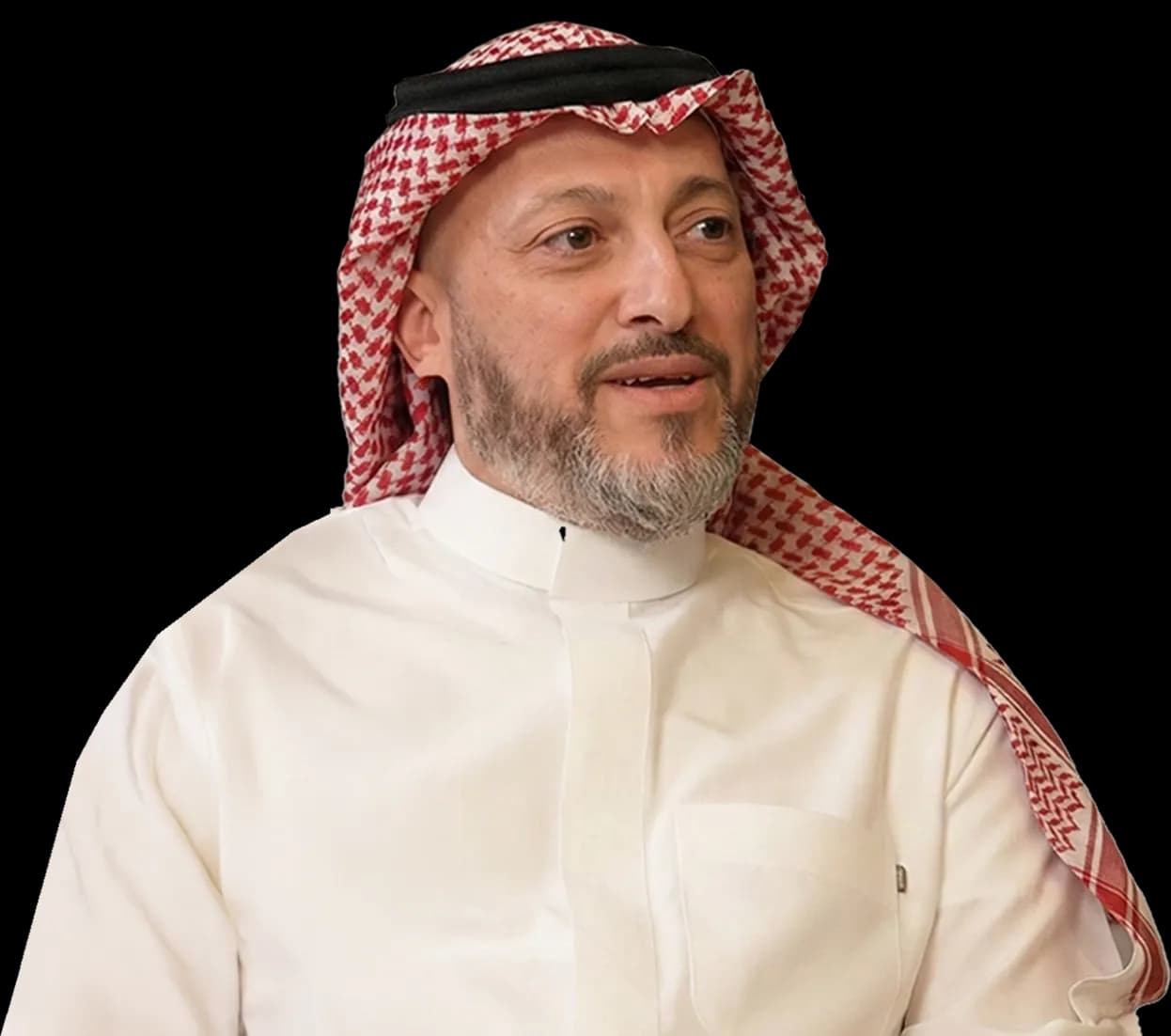
Hattan Bakor is a Saudi F&B operator and former CEO of Dhahia Juice, where he led multi-outlet expansion and strengthened operational systems. Earlier, as CEO of Abu Zaid, he supported franchise growth across Saudi Arabia. A Business Administration graduate from King Abdulaziz University, he began his career at Abdul Latif Jameel before moving into hospitality leadership.

Speakers

Episode #64

In this episode, Ashish Tulsian sits down with Hattan Bakor to unpack what it really takes to scale a food brand in Saudi Arabia without losing consistency. Hattan shares how entering the business with “fresh eyes” helped him spot operational gaps quickly and why he insisted on a learning window before making changes. 

They discuss the harsh reality behind restaurant economics, how margins look big from the outside but feel thin once you’re operating day to day. Hattan also reflects on how COVID forced the team into trial-and-error, ultimately pushing them to become more efficient than they were before. 

A key theme is franchising done right: building SOPs, manuals, and standards first, then creating repeatable launch playbooks after early mistakes. Hattan ties it all back to customer experience because at scale, experience isn’t a tagline; it’s an operational discipline.

Find us online: 

Ashish Tulsian- LinkedIn 

Hattan Bakor- LinkedIn

Ashish Tulsian: 

Hattan, welcome to Restrocast. 


Hattan Bakor: 

Thank you. 


Ashish Tulsian: 

Thank you for agreeing to do this. You know, while I would love to go deeper into Dhahia Juice story and what you are upto now? I would love to start with the start.. We were speaking about it and I say this all the time. People don’t enter the restaurant industry, you know, in a sane way. Or by choice, they generally fall into it. What’s your story? How did you come to the restaurant space?


Hattan Bakor: 

Thank you, Ashish, for having me. It’s an interesting story. You know, I spent most of my career life in different fields. Started with the automotive industry, then moved on to telecommunication, then spent around 15 years in health care. By the end of 2018, the beginning of 2019, I thought that I would have to start my own career as a consultant. You know, I had so many exposure in due diligence and visibility studies.


Ashish Tulsian: 

What were you originally trained in? What was your education and early career?


Hattan Bakor: 

Okay. I mean, I’ve graduated from King Abdulaziz University in Jeddah, which is my hometown. During my studying, I studied business administration. At that time, I used to work with Abdul Latif Jameel Company. They are the Toyota Motors agent in Saudi Arabia as a marketing coordinator. So, I used to go to the college in the morning, finish my study at around 1, start my work at 2, finish at 9 p.m. It was an interesting journey that shaped my career. Studying business and working at the marketing department made sense. You’re working at the same field that you’re studying, so you enrich your experience both ways.


Ashish Tulsian:

But was it a normal thing in Jeddah for kids to actually go to school?


Hattan Bakor: 

No, actually not. It’s my father, which helped me shape my career. My father is a university professor. He’s now retired. He used to be the dean of geology college in King Abdulaziz University.


Ashish Tulsian:

My father is a professor in University of New Delhi, India. 


Hattan Bakor: 

Okay, interesting. 


Ashish Tulsian:

He also retired a couple of years back, but I don’t think he retired. So, he’s still very, very active in the field.


Hattan Bakor: 

Same thing. Every summer vacation, since we are in intermediate school, me and my older brother, what my father used to do is, before we enjoy the summer vacation, it was mandatory for us to work for one month, any kind of job. Copying, photocopying papers, stapling papers, just to give us an idea how life is.


Ashish Tulsian:

Wow. 


Hattan Bakor: 

We used to complain when we were young. You see our friends enjoy summer vacation once it starts, but he refused to let us enjoy anything unless we served for one month. He used to contact so many of his friends just to find us any job, just maybe answering the phone or phone operator. Back then in the 80s, there was nothing much to do. Landline phones. Yeah, landline phone. Just take some phone calls, photocopy some papers, just to give us an idea how you can value earning money. You have to work hard. I remember when they used to give us like 500 to 1,000 riyals back then, at the end of that month. The joy that you feel holding this 1,000 riyal is extremely amazing, because you feel that you’ve earned it.


Ashish Tulsian:

It’s your money.


Hattan Bakor: 

It’s your money. It’s not your dad’s money. It’s your money. You worked hard for it and you don’t want to spend it on anything. You want to spend it wisely because it’s your money. So it started there. I mean, we used to work every year, one month in the summer vacation, during summer vacation. It was not the norm here. Once I graduated from high school and entered the college, I thought that it was the freedom. Started driving a car, but then no. Yes, he said, you still have free time and I don’t want you to have free time. You have to occupy that time with something that teaches you something in your life.

So I said, okay. I love cars. I love the automotive industry. If I find something, he helped me find a job with a Toyota agent within the field that I’m studying. I enjoyed it so much. I mean, I felt that these few years, I don’t remember that I had any chance to go out with friends, any chance to do anything, but it was so much enjoyed. I studied for five days a week, worked five days a week, and then we used to have just one day off, which was Friday. Even Thursdays, we used to work. So it was totally different, but I was finding myself. I mean, I was enjoying self-confidence and learning and everything. When I look at my peers, they’re doing nothing, just sleeping, going to college. So I felt that I’m doing something.


Ashish Tulsian:

That is so good. That is so good to hear. And I can almost picture that, and I find a lot of similarities because I just can’t help but tell you that. I started working when I was in college. My drive was to earn money of my own. When I look back, I wonder why was it there? I don’t know. But at the same time, when I look back, I feel very good about it because it made me very, very independent, self-reliant. It taught me that I have legs, that I can earn. I have sellable skills. So what you’re telling me is beautiful, and I’m wondering how many kids at your age, at your time, must be doing that? Not much, right?


Hattan Bakor: 

I mean, I really don’t know of my close circle. I don’t know anyone who’s done that, but I’m sure there are. But it wasn’t that. I mean, nowadays, yes, it’s very common. I have even in the company that I’m working with right now, I have a lot of people that are studying and working. Life is different now than back then. Of course. It was totally different. I did the same thing with my kids. They enjoyed it. I think it’s the right thing to do. Then I moved to another company. It’s called the AL-Afandi Group. It’s a conglomerate. They have a diversified business in tourism, IT, healthcare. I worked as a research analyst. I was involved in most of the visibility studies, due diligence, a lot of transactions. I had to be involved with them.

Doing this business, you have to have another counterpart from another well-known company, the big forward like PWC, EY, other companies. I was involved with them, which helped me understand how to negotiate a deal, what is the structure of the deal, what’s important in the due diligence.


Ashish Tulsian:

Also, you were a research analyst on mergers and acquisitions?


Hattan Bakor: 

Yes. 


Ashish Tulsian:

Or equity side? 


Hattan Bakor: 

Merging acquisitions.


Ashish Tulsian:

Awesome. 


Hattan Bakor: 

Then I had to take responsibility of a department there for the healthcare. Eventually, at the end of my career with them, I was the CEO of that company. But I still was involved. They would always involve me in different kinds of projects out of my scope of work, just because they know that I had the experience. 


Ashish Tulsian:

That is brilliant. I’m going to go back to that. What company is this?


Hattan Bakor: 

It’s called Al-Afandi. 


Ashish Tulsian:

Al-Afandi. How long did you work with them? 


Hattan Bakor: 

20 years.


Ashish Tulsian:

20 years. You’re saying from a research analyst, you became the CEO of one of their companies?  


Hattan Bakor: 

Yes. I started as a research analyst. 


Ashish Tulsian:

What was that company into? What was that field?


Hattan Bakor: 

Imaging, x-ray imaging. 


Ashish Tulsian:

Medical? 


Hattan Bakor: 

Medical imaging equipment. We used to sell imaging equipment. We used to have contracts with private hospitals and MOH, Ministry of Health in Saudi Arabia. We had so many initiatives with MOH, operating in suburbs, clinics, operating their radiology department there. It was an interesting thing. It was 20 years full of understanding. It’s like a university. I went through everything in that company, Al-Afandi Group. Then I decided to retire early and start my own business as a consultant. 


Ashish Tulsian:

That was in 2018?


Hattan Bakor: 

Yes, end of 2018. 


Ashish Tulsian:

What was the journey of a research analyst to a CEO? What does it take to be that? When you look back, what made that happen?


Hattan Bakor: 

I think it’s trying to understand. I started as a market research analyst, but it’s not the next day I was a CEO. I went through a journey. I started by being a section head for the communication IT department in the western region. Then I moved to the position of managing the IT department kingdom-wide. An interesting story happened in one of the meetings. I was in the communication IT department. We had a group meeting. One of the challenges that they faced in the medical company was that they’re not getting the required revenue from the after-sales service department in the healthcare division. So the guy was there. He was a biomedical engineer running the department. He had no idea about the business side. I mean, he had no idea about the P&L business side. He just knows very well about his… 


Ashish Tulsian:

He could run the operation.


Hattan Bakor: 

He could run the operation very well, but had no idea about how to calculate. 


Ashish Tulsian:

P&L is a different problem. 


Hattan Bakor: 

They were negotiating. Sales team are selling well. They’re getting bonus for their sales. Service team is just doing their job. It’s a cost center. So I just made an observation that why you’re not treating this after-sales service as a revenue stream. They could generate income. And that’s what… I mean, after the sales is done, that’s where you have to look at. So the guy said, you know what? The department manager said, I wish I have someone to run this department from your point of view and leave me free doing the job that I can do. I’m fed up with this conversation. I don’t know what you’re talking about, guys.

I know the technical requirement that I have to do and all the details about the machines that I’m dealing with. So they said, are you willing to step up and manage this department? So I said, what I have got myself into. But I said, yes.


Ashish Tulsian:

Yeah, it was your idea.


Hattan Bakor: 

It was my idea.


Ashish Tulsian:

How can you disagree with yourself? 


Hattan Bakor: 

Yeah. And then I learned something very interesting that in order for me to succeed, I have to understand. I had no clue how this department is running. So we used to be an agent for a Japanese company. So I called for a meeting with the Japanese guy. I said, I need to understand this business in details. How long does it take for a team to install a machine?

How long does it take for them to make a service on a certain malfunction? So they gave me the details for each and every product. And I started to go out with the engineers and start to learn. Start by asking questions. What is this part? That’s the X-ray tube. And what is this? So we have to replace this part every few months. This has to be replaced.

If this is leaking oil, we have to replace it. I start to learn the insides of this in order for me to be able to understand and negotiate with the team. I have to understand. So that was the most important thing that I have learned in order for me to succeed in any kind of industry that I’m not very well aware of is to understand at least the basics that can make you able to communicate with the team with adequate understanding to the business process itself. But the first year, that department was losing. We started to break even within 18 months.

Within three years, we have tripled the income. We had, I mean, the team used to come and said, we started giving bonus for the service engineers. Yeah. I mean, I’ve turned them to salespeople. Yeah, exactly.


Ashish Tulsian:

Exactly that.


Hattan Bakor: 

Putting the right motive for them. They were motivated. And suddenly the results were impressive. And there where I fell in love with the healthcare sector.


Ashish Tulsian:

Yeah, I’m sure.


Hattan Bakor: 

And then within a few years, by the end of 2015, I was the CEO of this company. And we had a very nice journey. It was full of ups and downs and experiences. By the end of 2018, I decided that enough is enough. I think I have enough knowledge in the consultation field. I have to help start my own business. 

For starting my own business, I had a phone call from a friend of mine. He was in a part of a group. We’re trying to acquire a share of a company, of an F&B company in Jeddah. So he asked me to come and help. And I went and had a meeting with him. And he said, we’re planning to buy a certain percentage from this company. And we would love you to be on board with us. And I said, okay. I was just retired. I was just finished work at F&B. And did not start my own business yet. But that was the first contact that happened. I was assigned to carry the due diligence from the part of the buyer. Fortunately, the deal didn’t go through. 


Ashish Tulsian:

Did not.


Hattan Bakor: 

Did not go through. So the owner of this company asked me to, he said, I’m looking for a CEO for my company. Would you love to join us? He said, okay. First thing first, I didn’t have any exposure in my career.


Ashish Tulsian:

So the owner of the company whose deal did not go through. 


Hattan Bakor: 

Yes. 


Ashish Tulsian:

So the restaurant company who you failed in due diligence.


Hattan Bakor: 

Yes. It’s not failed. They did not agree on the price of the transaction. 


Ashish Tulsian:

But the restaurant company who was.


Hattan Bakor: 

He used to sit with me. I was on the part of the buyer. And I think I’ve just thrown some ideas on them to improve the business. That’s what they do. I mean, sometimes I just let my imagination. Because if you remember, we spoke on this on the phone. You know, sometimes when you’re an outsider. Yeah. You have fresh eyes. You have like what we call it a bird’s eye view. You’re flying over and you see the whole picture. Yeah.

Which you’re not able to see when you are running the day-to-day business inside your company. Correct. You overlook so many things and you think that’s the norm of business. But it’s not. So, I used to throw some ideas during the meeting. So, when we finished, he said, I need someone. And I would like you to join us. They used to have like 20 or so branches in the western region only. And they wanted to expand kingdom wide.

So, the same thing. I told him, I’m happy to join. But I need some time to understand the business. So, we agreed on three months learning periods for me. 


Ashish Tulsian:

Beautiful. Yeah.


Hattan Bakor: 

What I used to do is.


Ashish Tulsian:

Actually, that is how people should take assignments. Yes. I mean, I’m really glad you said that. Because that’s literally how people should take assignments. Yes. And when people jump into businesses or roles without really learning them. Or without really giving themselves the time to learn. But negotiate a great pay package. And just show up on day one. And struggle. Most of the struggle is because they never give themselves time to learn.


Hattan Bakor: 

Yes. You have to be straightforward. Humble enough to say that I don’t know. I don’t understand this kind of business. But I can deliver something. So, the first month. The funny thing that he signed me the company. And left on vacation.


Ashish Tulsian:

Okay. So, you were thrown in the ocean.


Hattan Bakor: 

He said, okay, it’s your company. He sent an email to the whole company. That all my authority are delegated to Hattan as a CEO. So, please cooperate with him. And he traveled for, I think, two or three weeks vacation. When he came back, he said, I don’t see any changes. I see the same people. I said, no. Please. We agreed. You won’t see anything for three months. Give me my time. We have to understand. 


Ashish Tulsian:

What kind of restaurant was this? 


Hattan Bakor: 

That was Abu Zaid. It’s a traditional chain in Jeddah. They started operation, I think, 1964. 


Ashish Tulsian:

Oh, wow. 


Hattan Bakor: 

Or 1965. Something like this. It’s one of the iconic brands in Western region.


Ashish Tulsian:

Okay. So, how many branches were they running?


Hattan Bakor: 

They used to have like 20 or 20. I remember it’s like 20 or 21 branches, mostly in Jeddah. Wow. With two branches in Mecca and one in Medina. So, it’s all in the Western region of Saudi Arabia. 


Ashish Tulsian:

Sure, sure.


Hattan Bakor: 

We started in 2019 with them, second quarter of 2019. And we started by expanding mostly through franchise. We had some franchise general agreement. We had some franchises from different part of Saudi Arabia. By the end of 22, we had 45 branches in 15 cities in Saudi Arabia. 


Ashish Tulsian:

Oh, wow. In three years, you’re saying you doubled? 


Hattan Bakor: 

Tripled. Sorry, doubled, yes. Doubled. 


Ashish Tulsian:

Wow. 


Hattan Bakor: 

Number of cities, I mean, but mostly it was a franchise location. We had some of our… 


Ashish Tulsian:

But earlier 21 were their own? 


Hattan Bakor: 

Yeah, all their own, yes. 


Ashish Tulsian:

Okay. But what was your… I’m interested in those first three months of learning. What were your early… Give me some stories on your early realizations and shocks when you started looking at the restaurants inside and how things happen and how some of the things are just normalized, which are technically not…


Hattan Bakor: 

The complex of the process itself amazed me. I mean, as a hobby, I love to cook. My free time, I go to the kitchen. But I have never thought that the business was so complex to that extent. From the customer perspective, I used to say, oh, these restaurants are doing a huge amount of profit. I mean, the sandwich that you’re eating might cost just a couple of riyals and they’re selling it for 15 riyals. They must be enjoying a huge… Margin. I did not realize how thin the profit margin is until I entered that field.


Ashish Tulsian:

Correct.


Hattan Bakor: 

And, you know, everything is now more… I mean, the world after Corona is not like before. Everything has really changed. I’ve started just before Corona. So I had at least almost a year knowledge about the situation before Corona. But then what we’ve learned after COVID that if we knew what we knew, we could have made better profits in the past.

COVID made us more efficient. Because of all the challenges that we had, you had to look back to every detail that you had. Your business process, your operation process, every detail that you have. You had to go back and see how can you make it better. The three months time that I told you about, I had to… it was very intense. I used to go down with the operation team inside branches and understand what are the challenges that they’re facing from logistics, from warehousing, from operation. The challenge that I did not think about is the short shelf life of our raw materials and the risk of making anything wrong so that people will be… I mean, nowadays, the information is spreading with the social media like crazy. I mean, anything goes wrong in any place, the whole world will know about within hours, not days. So how to make sure that everything is going fine, no problems, no health issues. So I found it was very tough environment. It was not that easy. I thought in the beginning it was easy, but no. It’s really… it’s not that easy. But the nice thing is that it’s a very complex experience that makes you having different exposure every day and you start to enjoy, it’s like a roller coaster.


Ashish Tulsian:

What has been one of the challenges, like one of the most challenging bits in the restaurant journey for you, which whether you overcame or not, but what has been like the time or thing the way you felt, oh man, this is crazy.


Hattan Bakor: 

I think that was during COVID time. It was my early contact with the F&B business. I’ve been there only for a year. And we had an experience that nobody… we had a problem that nobody had an experience how to solve. I mean, worldwide, we had to try and… we had to go with trial and error. We don’t know what to do. And you don’t know when it will be over.

And you started by trying to cut your cost as much as you can without… and the focus was more on the safety. So you cannot compromise with safety because there is a possibility of getting people infected with… so you have to start with the masks, gloves and everything. So it was really challenging for me, not having enough experience in that field and facing such a situation that even the well-experienced… 


Ashish Tulsian:

Yeah, they were challenged.


Hattan Bakor: 

Executives were really challenged. We had well-known brands that went out of business during that time. But I think from the other side, that really made the learning curve go higher during that time because you had to find a solution for these problems. And the good thing that… the most important thing for me to succeed is building the team around me. I don’t… I have to… we have to be in sync. And that’s really the key thing here, is for an executive to succeed. 


Ashish Tulsian:

Were these people, this brand, Abu Zaid, were they delivering before? Before covid? 


Hattan Bakor: 

Yes.


Ashish Tulsian:

They were in deliveries?


Hattan Bakor: 

Yes, but it was you know, you mean the delivery with aggregators?


Ashish Tulsian:

Yeah. Yeah, 


Hattan Bakor: 

I mean it was. 


Ashish Tulsian:

Because I’m asking this question because a lot of traditional brands and because I don’t know the you know brand but you’re saying they’ve been there for you know decades, you know more than five decades. So a lot of brands discovered that they can deliver their food during Covid. You know, who never used to deliver because they thought that… you know, its. 


Hattan Bakor: 

We used to have, we used to have deals with the major aggregators there and we used to have our own delivery cars even before Covid. But delivery was like maximum 10 to 12 percent of our revenue. I think that was most of the, I think that was the case at most of the F&B in Saudi Arabia. Post Covid now, most of the brands are looking to 50% market share to, yeah, for the aggregators which we used to be the same thing also but we managed to reduce this and currently we’re around 30 to 35 percent aggregators.


Ashish Tulsian:

Why did you start franchising that brand? Was that the thing that, what the owners of the brand they wanted you to franchise or was it your idea?


Hattan Bakor: 

To be frank it was not my idea. They had this idea long ago but they had not executed it. Their main concern was how to control quality. The reason they have not expanded outside of the Western region is their concern about if we started franchising how can we make sure that our products are reaching the customer with the same quality and taste and everything. So they had this plan. I helped executing it but you know in order to execute this plan you have to have your SOPs ready and that’s what we did. We start having manuals, we start obtaining all the required ISO certificates, HACCP certificates to make sure that everything is stable and good before we start. Because you know it’s like a foundation if you build something on a fragile foundation it will collapse. 


Ashish Tulsian:

Correct. 


Hattan Bakor: 

So you have to start right.


Ashish Tulsian:

So you basically brought in a lot of standardization to the process. Yes exactly. But was it difficult to do that with, I’m assuming that there must be a lot of older employees in the system given that it was an iconic brand and operating for so long. Was it a challenge to bring in the change?


Hattan Bakor: 

For sure it was. I remember the first franchise location was a disaster. 


Ashish Tulsian:

Tell me more.


Hattan Bakor: 

I mean the whole company was there, it’s like we’re opening a new company. We had all the teams there and a lot of problems with the suppliers, a lot of problems with the operation team, a lot of conflicts. And then it was a bit easier, the second location, but then you know as I told you we were opening about a branch every month. I remember the last few branches, how easy it was. It was like you know, you just go there and take some photos, pictures and that’s it. Nothing much to be concerned about. The thing is that the franchise business was still new in Saudi Arabia. 


Ashish Tulsian:

Is it? 


Hattan Bakor: 

I mean relatively yes.


Ashish Tulsian:

No but Saudis have been you know bringing in foreign brands of the time. 


Hattan Bakor: 

Yes. 


Ashish Tulsian:

Local brands franchising.


Hattan Bakor: 

I mean franchising local brands was a bit new in the market. I mean I know most of the international F&B are franchised here in Saudi Arabia but no that’s what I’m talking about. I’m talking about local F&B starting to expand by franchising their name to investors.

So it was really difficult the first few. The first one was very difficult, the second one was a bit easier. Then we started to make you know like something like a racing matrix for opening this locations which I am following even now with my current company. So everybody knows what and when, what he have to do and when he have to. So we started learning from our mistakes.


Ashish Tulsian:

Give me couple of like give me one or two or three mistakes like today if there is a local brand entrepreneur watching this and if they are thinking about franchising or if they’re already you know they’ve taken the step and they’re you know dealing with a disaster. What are the top two or three things that you will tell you know someone that needs to that you learned to fix franchising?


Hattan Bakor: 

Okay what I tell them the most important thing that I would like to clarify that I’ve seen a lot of companies franchising their brand and they did that have enough I mean years. I mean I don’t know how to say this.


Ashish Tulsian:

The brand was not built.


Hattan Bakor: 

Yeah I mean the brand is operational for one or two years and they are growing and they start franchising. Don’t go to these brands. I mean you have to have a brand that is stable at least for five years because in our market here in Saudi Arabia we’ve seen a lot of brands you know they just pop out and shine and suddenly they disappear and the reason is that people are looking for new experiences.

They will come and enjoy this new experience but if you don’t have something solid enough to maintain and retain these customers loyal customers you’ll be out of business. So people don’t get attracted to these brands. If your investors want to invest in the want to franchise a location go for a stable company that has that have more than five years of stable business which shows growth so you can be and then my advice to business owner is you have to have a solid foundation before start franchising make sure that you have all your process and policies and procedures are documented tested and so it’s going to be easy for you to transfer this because why is your having investor come and franchise.

He’s not doing his own business because he’s paying the premium fees for the franchising franchisor because you have the experience and the knowledge to cut through the time required for this investment to mature. So I mean you have to have solid infrastructure before starting franchise and then the relation between the departments inside the company that was the main issue which caused the disaster the first franchise location. We had a problem with the suppliers that they don’t supply because you had a problem you know you see the supply chain department did not coordinate very well with the operation team to get the right dates for all the procurement to be ready.


Ashish Tulsian:

But is it an SOP problem or is it just a preparedness problem or is it a…


Hattan Bakor: 

It’s all I mean it’s mixed of all these issues created the problem. It’s a new process people were not familiar with and I think with how I mean however you try to coordinate this in the real life when you start this something for the first time it’s going to be challenging it’s not going to be easy. But again the good thing that we opened on the exact date that we were supposed to open nobody felt all these issues it was a disaster from my point of view and from the team but otherwise it looked very well this was very smooth for customers nobody felt with any problems But again if you’re very well prepared it could be easier. 


Ashish Tulsian:

Which is what it became later. 


Hattan Bakor: 

Yeah it became a piece of cake you know.


Ashish Tulsian:

You know Hattan. I would love to take you to another direction on franchising. The notion in the world is that franchising is super easy you know easy means somebody else invests money in your brand they open store for you it is the cheapest way to you know grow the number of stores. I’m talking about somebody who’s an outsider like even people see it from outside they’re like oh wow you know somebody just opened like 500 franchisees did not invest our money in fact they got money for it.

The fact is you know quite reverse apart from the operational side of it which we discussed there is a franchisee who is an investor in your brand who has invested their money you know in your brand and in a way they are buying a promise from you that it is going to earn back handsome profit or profit which is almost equalish to your flagship store which made you popular. Rarely turns out to be true, rarely. I mean you know moderate success is there.

Managing a franchisee relationship I have personally seen across the world where people after franchising experience I’m talking about franchisers brand owners most of them came back and said you know it was a headache it was like managing like 20 managing 20 franchises is like managing 20 investors you know and it’s hard. What’s your view and what was your experience and what’s your take?


Hattan Bakor: 

Absolutely, I really agree with you. The beginning it seems to be very attractive and easy but then there are risk factors. The first risk factor is the falls on the brand you know for you as a brand to franchise your name to an investor. I mean the investor could be a businessman who had to have different kind of investments and this is one of his investment.  


Ashish Tulsian:

If he lost your project..


Hattan Bakor: 

That’s it, he lost one of his project but if he did something wrong you might lose your brand. 


Ashish Tulsian:

Correct.


Hattan Bakor: 

And that’s the scary part of franchising and the other thing you remember we’re talking about how thin margins are in F&B and that’s making franchise more difficult. I mean it might was easier it might be it was easier before a decade ago. Now with I mean especially here in Saudi Arabia the market is very competitive. I mean now it’s what we call it a consumer market. Everything is you have very picky consumers and you have to be near perfect to succeed in this market. So margins are already thin. How will I be able to provide sufficient income for the investor with this current situation of competitiveness in the market and very thin margins. I think it’s it’s very difficult it’s not attractive as it used to be.


Ashish Tulsian:

So what are the what are the ways in which somebody can actually you know mitigate these risks with franchisee? What should be an ideal franchisee partner?


Hattan Bakor: 

Well I think where it succeeded you know economy of skills you know the bigger the franchisee is the most probably it will succeed because you know sometimes you just have like 10-15 branches I want to start franchising. It’s difficult but then you have another like 400-500 locations and start franchising. It might work because when you look back what make franchise successful business model is that the scale of the business.

I mean I’m making procurement for 500 branches. I’m including you purchases from this then you will have like 20% or 30% less buying price than the original market. So that would make I think it’s easier and practical for large brands.


Ashish Tulsian:

But then you can’t always do that right for example if I take you back to the example of the brand that you franchise right. They were not 500 although they were 50 years, 60 years old in the business I understand. But it’s not always you know possible for people to first do hundred stores of their own and then you know start franchising.


Hattan Bakor: 

Yeah it wasn’t all success. We had some successful examples and we had some other which we are not.


Ashish Tulsian:

So but what was the difference between so I also bring want to bring your attention to or rather my question is more about I feel that franchisee becoming an investor in your brand but not really working as in not really running the restaurant themselves becomes one of the reasons why at times or most of the times they fail. Is that is that it was that your experience as well or?


Hattan Bakor: 

Yes we try to automate some of the processes as much as we can because you know we find ourselves yes we’re running our stores and the investor stores and that’s creating a burden on our operation team. So we started to but then again it depends on the type of business you are in. Some what made the famous business models of franchising like the international QSRs successful is that they have their own processes and preparation done centrally and then all chipped out for just quick actions to be done at the restaurant and that that is the key point for succeeding in franchising QSRs especially.

But when you have complex operation it’s really challenging and that’s what we had in the previous campaign. The operation complexity was very advanced and you had to have experience in different kind of areas and we find ourselves that we’re operating our and their branches at the same time.


Ashish Tulsian:

So you were in a FOCO model franchise owned company operated like operations were under you or? 


Hattan Bakor: 

It was not what we had to do. 


Ashish Tulsian:

Okay okay okay so you like you realized it.


Hattan Bakor: 

Yeah it was not that but we had to do it this way in order for us because as I told you earlier it’s the the risk the major part of the risk falls on the brand owner. Correct. If something goes wrong that’s it I mean the people the customers are seeing your logo outside so it’s your brand yeah nobody cares who owns that business. So the risk falls on the brand owner so that we had to make sure that everything was going smooth and operations are flawless.


Ashish Tulsian: 

Hattan, then what? How did you move to your next assignment which is what you’re doing today?


Hattan Bakor: 

Same story. Business was stable with Abu Zaid and they didn’t want to I had some ideas to expand and make some factory for to reduce the cost of the operation circles make a central factory to prepare most of the needs and they said we are happy where we are we think that’s it we’re not going through any other adventures with you so I said okay we I left in 22 (YEAR 2022) again wanted to have a break I had during my tenture with Abu Zaid I worked for three years I think I had like eight days vacation during that three years.


Ashish Tulsian:

It’s funny when you said that by 2018 I thought it’s enough and I now need to do something else and then you joined restaurant industry I was wondering I was like wow so you know you went from one craziness to 10x craziness.


Hattan Bakor: 

But I enjoyed it I’m sure yeah I enjoyed it then I said I have to just take a few months rest and then see what I will do. A couple of months then I got this contact from Dhahia Juice and they wanted to repeat the same story they had seven branches in Riyadh and they wanted to expand so I discovered that these challenges motivates me like I just I think I because I maybe I started my career early on it is I just can’t sit still once I feel that not having the enough momentum I start to 


Ashish Tulsian:

Feel jittery..


Hattan Bakor: 

Yeah so once I get any new I mean I get excited when someone tells me yes I’m planning to do so I’m trying to open a factory like oh yeah so I started with them third quarter or fourth quarter 22 and now yeah now two years we had we’ve doubled no more than double the number of branches we used to have seven or eight branches now we have 20 and we’re still expanding.


Ashish Tulsian:

Tell me a little bit about Dhahia Juice


Hattan Bakor: 

Okay it’s we’re not selling juices we’re selling an experience and that’s one of the main things that we always focus on even internally with our customers with our clients there are so many juice shops everywhere but we are different as I told you a lot of our juices come from our customers we have a part in our menu is called juices of the people people have named these juices they created this mix and we are naming it after them every now and then we have some new product added it was added by a customer. 


Ashish Tulsian:

so how do you how do you take that suggestion I mean customer will talk to whom to give that suggestion.. 


Hattan Bakor: 

I mean now it’s difficult I mean what I’m referring to is the early days in Kuwait when they started they used to have few locations it was very easy to know who’s doing what but now we are we’re doing it like through our campaigns and whoever wins referring to sales number of this juice can be done but I mean it’s not as easy as it used to be but the customer gets the point of the juice we are customer centric you know we focus our whole experience around the customers we take their comments seriously we make sure that we have we don’t have any customers who have bad experience in our shops it’s not something that we agree on sometimes customers get amazed you know by the level of attention they get if they have any complaint we have a customer service department that scan these problems at the beginning and then it goes to the operation team and then sometimes they get involved so they get surprised you know CEO of the company is calling a customer. 


Ashish Tulsian:

Do you do that? 


Hattan Bakor: 

I do that yes I do that.


Ashish Tulsian:

How often like what’s your process of you know do they write a complaint like take me through the process if I am at a Dhahia Juice store and I have like a minor problem or a major problem as a customer what do I do?


Hattan Bakor: 

I mean certainly I’m not contacting all the.


Ashish Tulsian:

No I know I know I understand what I mean is I’m trying to understand your customer journey like is there a comment card is there an email like what happens?


Hattan Bakor: 

Okay we have different channels we have a barcode that is in the branches for rating we have our Google account we have our social media accounts Instagram Twitter X the customer write us a complaint we have a department it’s called customer experience and they’re not only responsible for dealing with the complaints they are responsible for the experience overall they visit branches they make sure that that once the customer gets inside our shop the smell he’s smelling the atmosphere the vibes of the place so it’s the whole journey of the customer.


so we get this complaint or remarks or whatever it is and they go on through a process if it is related to quality we have a quality department if it is related to something with the place itself like the atmosphere vibes the temperature the noise there is another department that goes to it and then I always made sure that’s what that was the first lesson that I learned on my first job in Toyota company.. 

Let me take you back there just to relate this part. I used to work you know if you looked at the hierarchy I was in the bottom I was I started as a customer service representative I used to answer the toll free number 800 number these complaints used to go to the CEO office imagine this channel of no I mean I had to go I had to submit all these complaints to my superiors and then there is another channel it goes directly to the office of the CEO why because you know a lot of state you know you know sometimes this complaint might affect the quality manager this complaint might affect the operation manager so if it is going through the normal channel you have to have a channel from the the customer service or the feedback department that is responsible getting all your feedback from the clients directly to the management in order to make sure that you’re receiving what’s you know at least you know what’s what’s going on so I’m in the loop 


Ashish Tulsian:

correct 


Hattan Bakor: 

so well that’s that’s what I learned like 30 years ago maybe that’s was in my first job was 92 


Ashish Tulsian:

Oh, yeah 


Hattan Bakor: 

we used so I’m doing this throughout my career I have to understand what’s happening the other levels of management so what we have here is that this department sent this complaint to the concerned department and they CC me in a copy and I’m in the loop make sure that everything is coming as planned sometimes you feel that

The customer is touched by this situation and you feel that, you know, we reached a point that we can differentiate from the customers who is just complaining, just to complain or if it is genuine. So sometimes, yes, I call the customer and make sure that he’s happy and the reaction was in the way that he was satisfied. I mean, and they really, really see it that it’s, they get surprised that we have this much of attention to their complaints.


Ashish Tulsian:

And you win them for life. I mean, that is amazing. And I think you’re rooting it back to Toyota days just makes complete sense to me. I think that’s the only possible way.


Hattan Bakor: 

Yeah, it’s interesting. I mean, you are in a time that the customers are, you know, it’s not like before. I mean, they are very, this generation, they are aware.


Ashish Tulsian:

And they have a lot of choices.


Hattan Bakor: 

And they’ve seen everything. They know what they are, you know, they want to, they are investing in the market, but they have to invest wisely. They want to make sure that they’ve earned the experience that they deserve with their investment.

I mean, so you have to, as I told you, it’s the competitiveness that we have reached now. It’s really, from one point, it’s raising the quality level of the experience. And it’s becoming more challenging for business owners as well.


Ashish Tulsian:

How do you keep yourself, you know, as a CEO, as a leader, as somebody who is, you know, who’s supposed to continuously innovate as well as preserve? How do you keep yourself enriched? How do you learn? How do you enrich yourself?


Hattan Bakor: 

Yeah, I mean, first thing before learning, you have to have the whole team in sync. I cannot succeed as a CEO, never so on my own. You know, you have to have the right motivation for the team to be motivated for the success as a team as well. Because, you know, no matter how good you are as a CEO, if the team is not aligned, if you and the team are not aligned together, on the same goals, you’ll never reach your goals. You have to have them all. But then learning is ongoing. We never stop learning. No matter how much experience that we have, you have to learn from different levels. And also you have to understand the global situation by attending the main major events, understanding what is happening, what are other challenges in different markets are happening. So to cut the process instead of reinventing the wheel and doing something that somebody else have done. So you have to be…


Ashish Tulsian:

How do you do that? What kind of… Do you attend conferences, shows? Like what do you do?


Hattan Bakor: 

Yeah, I try to attend like at least twice, three times a year, any conference in the region, whether it’s in Saudi Arabia and UAE, sometimes internationally to make sure that we’re not left behind, you know, what’s going on.


Ashish Tulsian:

So do you go to the franchising conferences or F&B conferences?


Hattan Bakor: 

F&B, not franchising. We’re not interested in franchising currently. So I have to make sure what we have. Are we using the most advanced equipments in our branches? Do we have the right supply chain requirement? And do we have the best machines that we have to use to make our…


Ashish Tulsian:

The new technology.


Hattan Bakor: 

Yeah, it’s always evolving and we’ve made some decisions based on that. We have procured some machines that we did not have before because it will help us make our life easier. Today we’re trying to… We’ve managed to centralize some of our operation and to give an example now, we have some kind of fruits that required an extensive effort to cut and peel and prepare. We’ve managed to find some equipment that will help us do it centrally in one of the locations and then distribute it on a daily basis to other branches. That happens because we continuously try to see what’s there in the market, what we have, can help us improve our operation.


Ashish Tulsian:

That is fantastic. Do you read or listen to podcasts or is there an academic learning system as well? Are you a reader?


Hattan Bakor: 

I used to be. I mean, now with podcasts and ebook, yeah, it’s a bit hard to find time for reading but I’m listening, yes.


Ashish Tulsian:

Are you listening to audiobooks or podcasts?


Hattan Bakor: 

Sometimes audiobooks, sometimes podcasts, yes. Is there any book that you would want to recommend? 


Hattan Bakor: 

I’m an addict of Philip Cutler books.


Ashish Tulsian:

Oh, you’re going super old school, huh?


Hattan Bakor: 

Yeah, super old school, I like it. I mean, I believe… I mean, because, you know, and I also sometimes share some part of the books with my colleagues in the company so to make sure that… I don’t want them to read the whole book so I just send some scripts for them which helps them in some areas. I like… because, you know, I like his books because, you know, the marketing 3.0 and then marketing 4.0 and then I don’t remember the last name of them because it’s always…

He’s always updating the content and because marketing has changed. I used to tell my colleagues I graduated in 94 with a business administration degree and I got an online MBA specializing in marketing that was in 2005 but then I said I usually don’t mention that because I don’t feel confident enough that to make sure that I have enough knowledge in marketing as a fresh graduate now. Marketing has evolved.

I mean, what we have learned in the past is totally different now. I mean, I remember how we used to deal with advertising when I used to be in a Toyota company, 30 years ago. What we used to do is not suitable now. It’s totally different platforms, different concepts. So, what a fresh graduate knows about marketing now certainly is much better and enriched than what I know.


Ashish Tulsian:

So, Hattan, my last question. I, you know, with your last, I should say, seven years experience in restaurant space or food and beverage industry, what are you most excited about? Saudi Arabia as a market is just going crazy, booming. It is creating a lot of opportunities but it is also creating a problem which is, you know, there are more, there is more supply than demand at times. But at the same time, the demand is also growing and new things are happening. What’s your take? What’s happening?


Hattan Bakor: 

Yeah, I mean, to be honest with you, I used to dream of retiring and opening my own restaurant. That was my dream. But then when the deeper I got into the kind of business, no.


Ashish Tulsian:

It is anything but a retirement business.


Hattan Bakor: 

Yeah, yeah. I mean, what’s scary, you just mentioned something very important. If you look at the population, let’s take an example of our largest city in Saudi Arabia, Riyadh, which we have now, I think, population of around eight million in Riyadh. This population has not changed much during the past three, four years. The number of outlets, retail, F&B, retail outlets is unbelievably growing. And that means this market share is being less for the outlet.


Ashish Tulsian:

Correct. 


Hattan Bakor: 

And this is alarming. You know, some people, they see traffic in cafes and restaurants and they see, but they have no idea about what’s happening inside. They don’t know about the cost. They know about operation cost, wastages and everything. They have no idea. And they have an amount, they want to invest money. Without planning, they just go and open another cafe. Sometimes in one street, you can see five, six, seven, eight cafes selling the same product. Who’s benefiting really is the supplier of the coffee. 


Ashish Tulsian:

True that. Yeah, yeah.


Hattan Bakor: 

But then now what’s happening is that it’s not only the market share is decreasing for business owners. The customers are becoming more picky. They know what they want. So if your business is not perfect, most probably you will not make it to the next year. We’ve seen a lot of examples. I mean, you can see a place that people are lining queues outside for the first few months and then stabilizing at the middle of the year. By the end of the year, he decided that he’s out of business. It’s not happening again. And that’s risky.

Loyalty is not as it used to be. Most of the customers will not be loyal to one brand. They are loyal to what serves them best. They will not be loyal to a brand. I mean, we used to see people loyal for a certain brand and whatever happens, they will not change. No, that’s not happening now. The new generation, which is, if you look at the demographic in Saudi Arabia, for example, we have like 60 or 65 percent of the population are below 30 or 35. And they have different attitude than what we used to have before. Nothing is called brand loyalty. They know what they want and they are very picky. And you have to have very flawless as much as you can operation and making sure that you’re delivering what they need. Otherwise, this is a very strange place to be in.


Ashish Tulsian:

But are you excited about what is happening in the region? Because the flip side to that is, and I think in my experience, I’ve also seen the fact that when markets are growing and they’re mushrooming with restaurants all over very, very fast. In a three year period, unfortunately, that’s just the nature of the industry. So many of them die because they couldn’t make it in the market consistently. That it actually helps the brands that sustain over that period. And some sort of brand power and loyalty starts developing just because of that. Because you survived and others did not.


Hattan Bakor: 

Yes, that’s true. That’s true. And that’s actually part of what happened during COVID.


Ashish Tulsian:

Correct. Yeah. One wave already happened.


Hattan Bakor: 

Yes. Who had a better foundation managed to go through the hard time. But again, sometimes, you know, it is right that some, but there’s always newcomers. 


Ashish Tulsian:

Yeah, I mean, they will keep coming in. Yeah.


Hattan Bakor: 

And they have, sometimes they have new ideas, new concepts. And we keep seeing, I mean, now, if you go like, I mean, if you had a walk in any place in Riyadh and just went to any shop, any F&B retail shop, you’ll find, surprisingly, the quality is very good. Because otherwise, they will not survive. If they don’t have a good product with good quality, they will not survive. But even though still, they’re suffering from the thin margins. So the industry is not profitable as it used to be. So it’s not attractive as it used to be. Yet, there still are newcomers, because they see the picture from the outside. They see that people are not relying on outside food more than often than we used to.

I mean, back then, we used to have, like, maybe one day in the week that we are allowed to eat from outside. I think now they’re, nobody’s cooking at home. 


Ashish Tulsian:

Two times a day. 


Hattan Bakor: 

Yeah, two times a day. And that’s the norm. That’s from a point that’s creating, that demand is creating a chance for the new investors to come in. But then what they don’t know is that how difficult is operating a restaurant is. During, especially during this tough time when customers are expecting more. I’m not saying that it’s not profitable, and it’s dangerous.

But if you don’t have the enough knowledge, get the help from someone who has it and don’t just rely on, sorry, don’t rely on your experience in different fields and start to start a project in F&B without having the required experience, whether from you or someone that you can, you can be involved with you.


Ashish Tulsian:

Hattan with your, with your, you know, multiple decades of experience in healthcare, two decades in healthcare and automotive before, has last seven years in F&B industry changed anything in you as a person?


Hattan Bakor: 

As a person, maybe no. But I mean, certainly, it was a very rich experience. I’ve understand a lot. I had different perspectives before about the F&B sector. And it’s certainly different. But as a person, I think I’ve remained the same.

Because that’s what I used to do throughout my whole career, being tried to be very close to my team member, trying to understand from every level that I’m managing, every single detail, everything. So I think nothing much has changed.


Ashish Tulsian:

I at times feel running a restaurant makes people a little more patient. Because it can, if you’re impatient, it can really be very, very taxing on.


Hattan Bakor: 

Yeah, I’m very patient, actually. I mean, I’m very patient and I try to be as understanding as much as I can. 


Ashish Tulsian:

Awesome. This was a great conversation, Hatim. Thank you. Thank you for agreeing to do this. It was very, very inspirational, you know, for me personally, to see, you know, how customer centricity, you know, flows through various different industries for you to, you know, be able to bring the Toyota way of, you know, doing it down to, you know, the restaurants in a span of 30 years. I think it’s very, very inspirational. It just reaffirms, you know, the value of being customer centric in any business, it doesn’t matter which one, and you will still succeed.


Hattan Bakor: 

Thank you so much for having me. It was very nice meeting you. I was pleased. Thank you so much.


WANT THE LATEST SCOOP?

Subscribe to the Restrocast newsletter

Get the updates on the upcoming episodes, insider news, and email content full of value right in your inbox, never pushy, always free.


Home     |     Episodes    |     Newsletter

TUNE IN RESTROCAST ON


Podcast powered and distributed by Restrocast Inc.